

Farewell to Evil: Why the Paramount+ Series Is Saying Goodbye
The psychological thriller Evil has recently concluded with its fourth and final season, leaving a significant impact on its viewers and the television landscape. The series, which debuted in 2021, quickly garnered a loyal fanbase thanks to its captivating storyline and innovative take on horror and faith. Following a skeptical psychologist, Dr. Kristen Bouchard, as she collaborates with a priest-in-training and a contractor to investigate the paranormal, the show delves deep into the interplay between science and spirituality. It’s a mixture of in-depth discussions on morality and the supernatural.
As fans bid farewell to this beloved series, it’s important to understand the elements that led to its conclusion. Many viewers were left bewildered after Paramount+ made the decision to cancel Evil, especially considering its compelling characters and engaging plot twists that kept audiences on the edge of their seats. The show’s narrative style—interweaving horror with psychological thriller elements—was exemplary and showcased how modern television is evolving.
The final season ended with a dark and twisted episode, deeply resonating with fans who appreciated the moral complexities explored throughout the series. In the finale, myriad loose ends are tied, and the characters face their greatest fears, raising questions about redemption and damnation that echo long after the credits roll.
What Sets Evil Apart
- Strong character development
- Intriguing storylines that blend horror with philosophical questions
- Complex relationships that evolve over the seasons
One factor that contributed to the show’s unique charm is the stellar cast. With actors such as Katja Herbers, Mike Colter, and Aasif Mandvi, the performances were both captivating and heartfelt, making it easy for viewers to connect with their struggles and triumphs.
However, as with many shows that have garnered a passionate following, the conclusion comes with mixed feelings. Fans express outrage over the cancellation, with many taking to social media to voice their disappointment and confusion. Despite the outcry, the decision reflects an evolving media landscape where streaming services often re-evaluate their offerings based on a complex formula of viewership data, market conditions, and production costs.
This decision is symptomatic of the broader challenges faced by television in the current era. As streaming platforms like Paramount+ expand their portfolios, series that once seemed untouchable now face abrupt endings. The landscape is littered with notable cancellations, making dedicated fans cherish shows that manage to stand the test of time.
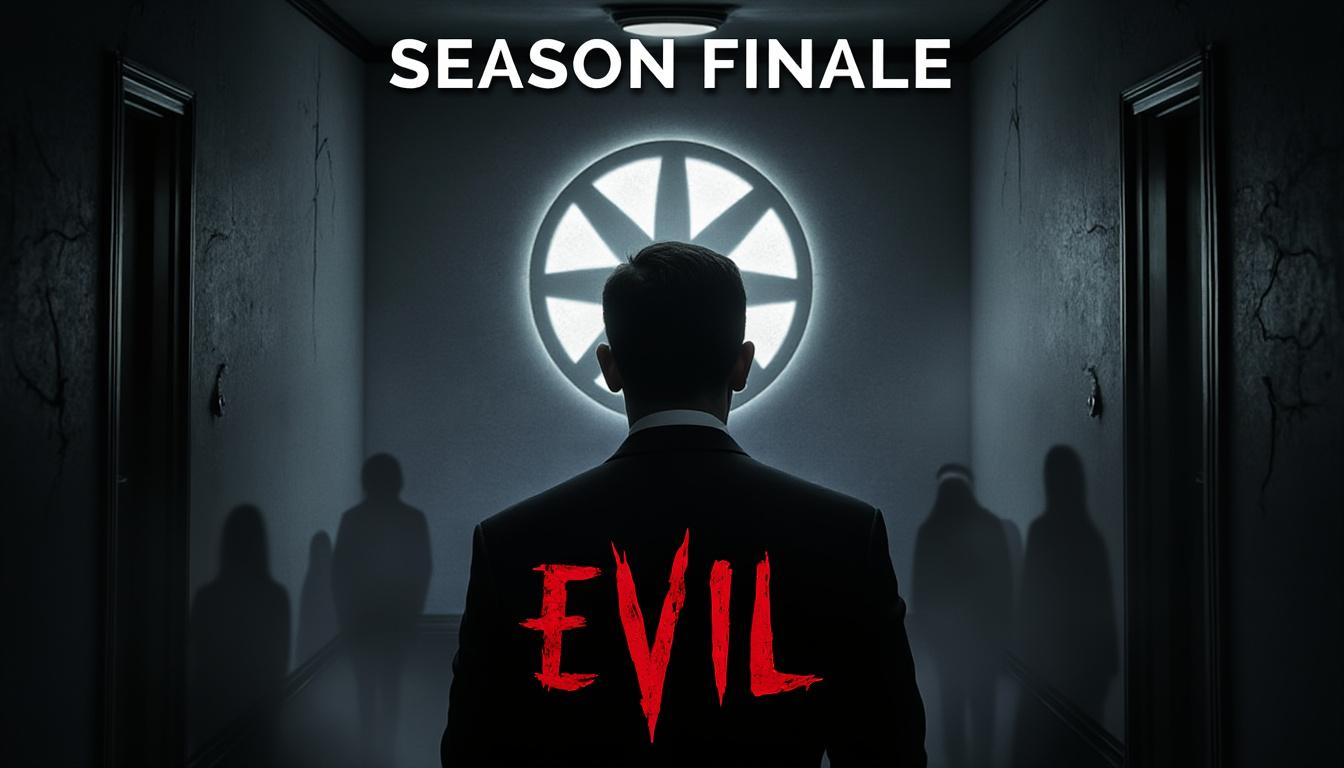
With the finale of Evil now behind us, its legacy will undoubtedly be discussed, dissected, and cherished by both fans and critics alike. The series will be remembered as a bold storytelling venture that challenged its audience to confront their beliefs while providing a thrill that kept viewers engaged. Refer to resources like Decider for further analysis on why Evil was suddenly canceled.
Yellowjackets: A Twisted Journey Concluding with Season 4
As the journey of Yellowjackets unfolds towards its long-awaited fourth season, fans are both eager and anxious about the twists that await them. Created by Ashley Lyle and Bart Nickerson, this psychological thriller has captivated audiences since it landed on the scene. Distinguishing itself from other series on Paramount+, Yellowjackets expertly intertwines survival drama with themes of trauma, identity, and the darkness that lingers beneath humanity’s surface.
The creators have officially announced that the upcoming season will be its last, an announcement that echoes bittersweet sentiments within the fan community. As they prepare to bring this thrilling saga to a close, Lyle and Nickerson have expressed gratitude towards the talented cast, dedicated crew, and fervent fanbase that have supported the show’s incredible journey.
Each season has carefully crafted a balance between past and present narratives, exploring how the harrowing experiences of the teenage survivors continue to shape their adult lives. This duality creates an intense viewing experience that keeps audiences hooked, longing for revelations interspersed with psychological intricacies.
Key Themes Explored in Yellowjackets
- The impact of trauma on personal identities
- The roles of friendship and betrayal in survival scenarios
- The darkness that emerges when civilization crumbles
With talent like Melanie Lynskey, Christina Ricci, and Elijah Wood on board, the character arcs have resonated deeply with viewers, inviting empathy and understanding. This complex layering adds depth as audiences are led through harrowing events that lead to the formation of fractured relationships riddled with guilt and mistrust.
Since its premiere, Yellowjackets has garnered a multitude of acclaim, securing a Certified Fresh status on Rotten Tomatoes. But the pulse of intrigue lies not only in the performances but in the mystery that hangs like a fog, creating an atmosphere of suspense and anticipation.
As the production gears up for 2026, excitement is palpable. Fans can explore further about the upcoming season through articles, such as those found at BuddyTV, which elaborate on the creators’ vision for the finale and how they plan to tie up loose ends.
In conclusion, while sadness might accompany the end of Yellowjackets, the legacy it leaves behind will spark endless discussions and analyses amongst fans. As the series approaches its climax, expect a crescendo of thrilling revelations, emotional confrontations, and perhaps a chilling reminder of the darkness that resides within all.
The Future of Streaming: Embracing Change in the Landscape
As viewers dive deeper into the last seasons of Evil and Yellowjackets, it becomes increasingly evident that the realm of streaming is shifting. Platforms such as Paramount+ are re-evaluating how they engage audiences, opting to take bold steps in their programming that reflect changing viewer preferences and industry dynamics. The era of binge-worthy series may very well be leading to a new understanding of episodic storytelling.
This burgeoning phase of streaming has seen tremendous competition, not only among the streaming services but also in the types of narratives told. Here are some pivotal trends capturing attention:
- Shorter seasons with pinpointed story arcs
- Increased focus on character-driven narratives
- The rise of quirky, offbeat content appealing to niche markets
Competitive Streaming Landscape
| Streaming Service | Popular Shows | Unique Selling Point |
|---|---|---|
| Paramount+ | Evil, Yellowjackets, Star Trek: Discovery | Blend of classic franchises and innovative originals |
| Netflix | Stranger Things, The Crown | Extensive globally-focused content library |
| HBO Max | Westworld, The Last of Us | High-quality production and compelling narratives |
This evolution encompasses revisiting classic franchises, reviving nostalgic elements, and producing new material that resonates with contemporary audiences. Think of surprises in productions like Halo, which adapts a beloved video game, or Mayor of Kingstown, both of which blend action, complex characters, and social commentary.
As viewers await the conclusions of Evil and Yellowjackets, there’s a delicate tension present: anticipation for what’s concluding and curiosity towards what’s arriving next. Implicit within this conversation lies an ongoing question about how creators can consistently deliver engaging content while tapping into the shifting interests of viewers. The industry is on track to experience a significant spotlight on previously overlooked genres as audiences eagerly consume the latest twists and turns.
Understanding the Cancellation Landscape: What Does It Mean for Viewers?
Cancellations are becoming an unfortunate part of the streaming era. A show’s popularity doesn’t always correlate with its renewal status, as evidenced by the cancelation of Evil despite its passionate following. The decision process is often opaque, leading to fans feeling distraught and frustrated. Understanding the mechanics behind these decisions can provide clarity.
Various aspects influence the fate of a show, including:
- Viewership ratings and audience engagement
- Production costs and seasonal budgets
- Market competition and strategic alignment with the platform’s vision
Platforms like Paramount+ are under constant pressure to make quick decisions on their programming. This often leads to gems being cut short, prompting strong emotional responses from ardent fans who invest their time and emotions into these characters. The industry thus stands at an intersection: one part creativity and another entrenched in business survival.
The cancellation of Evil serves as a stark reminder that, in the world of streaming, even the most creatively rich shows might not survive the financial scrutiny dictated by larger corporations. This, ultimately, poses critical questions about the future of niche content on mainstream platforms.
As viewers digest the implications of such cancellations, it becomes clear that they need to vocalize their support before a series indicates its end. It’s this viewer engagement that may create enduring shifts in how shows are greenlit, produced, and ultimately allowed to thrive. Platforms are listening, but the challenge remains: finding the reasons to stay connected to narratives that resonate on a profound level amidst an ever-changing landscape.
Final Reflections on Paramount+ and Its Iconic Offerings
The conclusion of both Evil and Yellowjackets further enhances the reputation of Paramount+ as a distinctive player in the media landscape. It has committed to delivering content that doesn’t shy away from daring themes or complex characters. Good-bye to the beloved characters, but their impact will persist in the annals of television history.
Alongside series like The Good Fight, SEAL Team, and Yellowstone, these shows make Paramount+ a platform that accommodates diversified storytelling. Fans anticipate the incessant exploration of what current narratives can say about humanity’s complexities while holding on to the hopeful optimism that new stories are just around the corner.
This rich diversity contributes to a growing tapestry of television that captures a myriad of experiences while challenging viewers to engage thoughtfully with the stories presented. As Yellowjackets readies itself for its final return, a wave of nostalgia will inevitably wash over the audience.
In essence, both Evil and Yellowjackets invite audiences on a journey that reflects the intricate tapestry of human emotions and experiences. They set a benchmark, encouraging future productions to explore the profoundable depths of storytelling. The conversations sparked by these series will undoubtedly persist, fostering a community dedicated to the discussion of impactful narratives.