

Understanding the NYT Connections Game: An Overview
The New York Times Games presents Connections, a daily word puzzle that engages word enthusiasts from around the globe. The challenge it offers revolves around identifying the hidden connections among a set of 16 unique words, with players tasked to form groups of four based on these underlying themes. Players have just four attempts to categorize the words correctly, which makes the puzzle both challenging and rewarding. On October 18, the puzzle, classified as game #495, offers a strategic test to participants as they navigate through an array of words that resonate with diverse themes across different categories.
Each day, the NYT Connections game brings a fresh batch of words, prompting players to think critically and creatively to uncover the links between them. The joy of the game lies in its simplicity – the premise is easy to grasp, but the execution demands thoughtful consideration. An array of strategies can be employed, from thematic associations to phonetic similarities, which players can leverage to enhance their chances of success.
- Critical Thinking: Players often need to engage their analytical abilities to spot connections.
- Theme Recognition: Familiarity with various categories can provide significant advantages.
- Collaboration: Discussing potential solutions with friends or family can bring new insights.
Moreover, as players engage in the Connections challenge, it creates a sense of community. Many turn to platforms like Rock Paper Shotgun or Word Tips for hints, tips, and solutions, fostering discussions around tactics and individual approaches to solving the puzzle.
The Categories of the October 18 Puzzle
For the October 18 edition, players encountered an intriguing selection of words: PEDAL, BACON, COAST, RACQUET, HOCK, PICKLE, TRAYED, CAGE, CELL, HAND, FLOAT, FORD, CRUISE, DODGE, BREEZE, and SKATE. Each of these terms falls into one of four distinct categories, requiring players to identify and group them based on their relationships.
1. Yellow Group: This grouping focuses on terms associated with swift movement. Each word evokes imagery of speed and fluidity, relevant in various contexts, from nature to sports.
2. Green Group: Here, words correspond to different types of sports balls, linking them contextually within athletic discussions. Recognizing this pattern can come in handy not only for the puzzle but also for general sports knowledge.
3. Blue Group: This category is a tribute to four prolific actors, challenging players to recall or identify famous personalities who have made significant contributions to the film industry.
4. Purple Group: The final grouping involves words that are homophones of synonyms referring to the word “vend.” This clever play on words requires a more nuanced understanding of language and pronunciation.
| Color Group | Type | Example Words |
|---|---|---|
| Yellow | Swift Movement | BREEZE, COAST, FLOAT, SKATE |
| Green | Sports Terms | DODGE, HAND, PICKLE, RACQUET |
| Blue | Prolific Actors | BACON, CAGE, CRUISE, FORD |
| Purple | Homophones | CELL, HOCK, PEDAL, TRAYED |
By dissecting each category and aligning with the listed words, players can enhance their engagement and scoring in the NYT Connections game. Not only does this puzzle demand logical reasoning, but it weaves in elements of culture and language, making it more than just a mind game.
Strategies for Success in NYT Connections
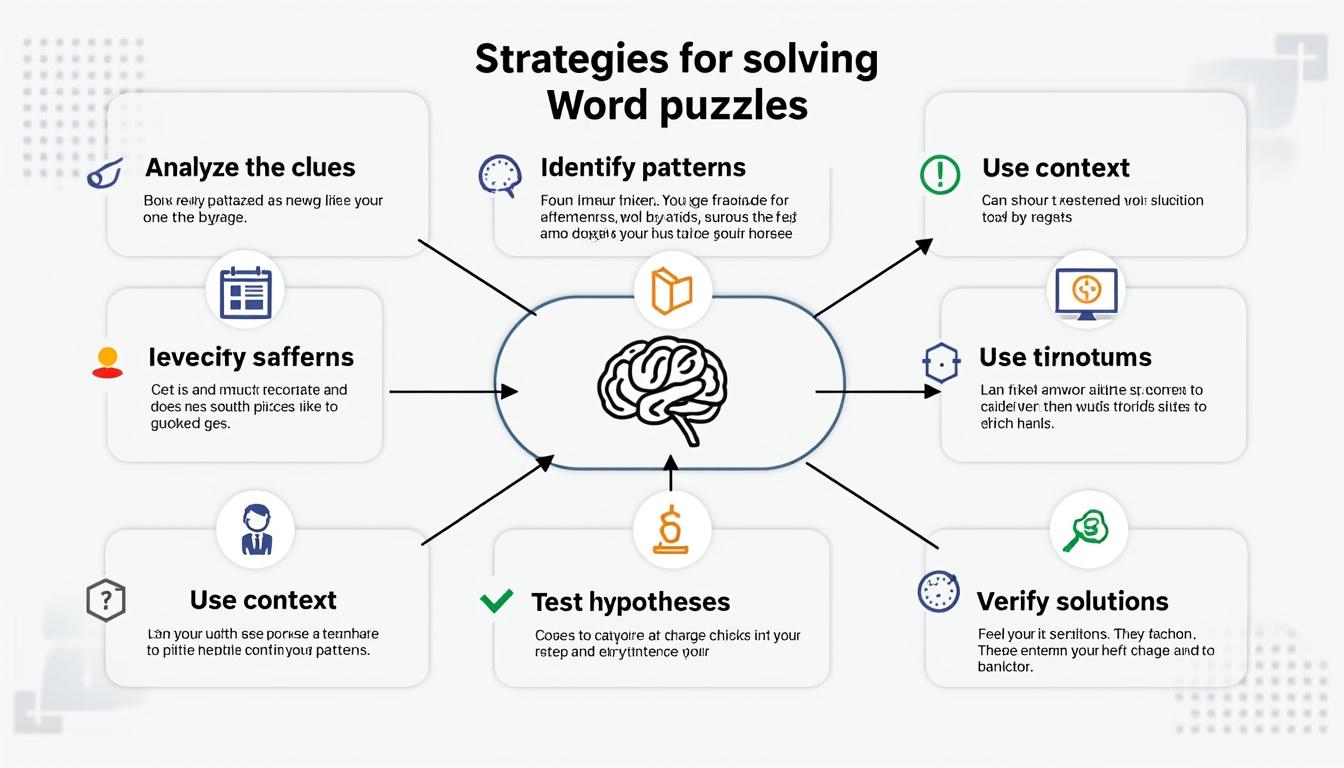
Mastering the NYT Connections game often requires more than chance; strategic thinking plays a pivotal role. Players can use various techniques to boost their success rate while solving the puzzle. These approaches encompass analytical skills, pattern recognition, and even a bit of luck.
First and foremost, it is essential to adopt a systematic approach when faced with the words. Beyond simple recognition, categorizing words based on visible themes can help narrow down possibilities. For players, brainstorming potential meanings and uses for each word can uncover overlooked connections.
- Diversify Knowledge: A broad knowledge base can dramatically enhance one’s ability to see connections. Familiarity with popular culture, common sports, and actor recognition is invaluable.
- Group Similarities: Actively grouping words that share common prefixes, suffixes, or phonetics can lead to quicker identification of the right clusters.
- Discuss with Others: Engaging in a team effort through social platforms such as Slack or LinkedIn can yield differing viewpoints, often resulting in identifying unforeseen connections.
The strategic elements extend to keeping a mental or physical note of successes and mistakes accumulated over time. By recording frequently occurring words or themes, advanced players can build an eco-system of knowledge that aids future attempts.
For example, using visualization techniques, where players arrange words in a physical format (like on paper or through written lists) can assist in processing connections more effectively. This method allows players to entertain multiple ideas simultaneously without the constraints of memory alone.
Utilizing resources such as Lifehacker or The New York Times’ official site can also provide timely insights and strategies that enhance players’ experience over time. Additionally, seeking out dedicated forums on platforms such as Forbes or Reddit can yield communal wisdom and innovative tactics for mastering the Connections game.
Leveraging Technology for Enhanced Puzzle Solving
In the digital age, leveraging technology can significantly streamline the process of solving puzzles like Connections. For instance, apps such as Zapier and Hootsuite can be utilized to track player progress and share insights across different channels. Specific tools, such as Buffer and Coursera, can also assist players in honing their language skills, thereby improving overall performance in word games.
AI technology continues to evolve, presenting opportunities for players to employ machine learning tools that can analyze previous puzzles. These advancements not only simplify the connection identification process but also create unique practice sessions to hone one’s skills. For example, setting up personalized challenges based on past puzzles can refine specific capabilities.
Additionally, players can stay updated on new trends in puzzles by engaging with gaming blogs or channels that specialize in puzzle content. Following YouTube channels dedicated to puzzles may not only offer insights but also provide community engagement with those who share a passion for these brain teasers.
| Technology Tool | Functionality | Benefit |
|---|---|---|
| Zapier | Automates tracking | Improves organization |
| Hootsuite | Shares insights | Increases community engagement |
| Buffer | Posts strategy updates | Enhances learning speed |
| Coursera | Language learning | Develops skill diversity |
Players can experiment with different combinations of these technological resources to see which enhances their skillset. By embracing a holistic approach that incorporates knowledge, strategy, and technology, players can significantly elevate their performance in NYT Connections.
The Cultural Impact of Word Games
Word games like NYT Connections transcend their humble origins, weaving themselves into the fabric of cultural trends and shifting societal engagement. Their rise in popularity corresponds with the increasing appreciation of intellectual challenges that stimulate the mind across different demographics. In 2025, word puzzles are not just games; they are a means of social interaction, intellectual stimulation, and even community bonding.
Cultural phenomena often emerge from the communal aspect of these games. Whether through discussions on social media, analysis on platforms such as Harvard Business Review or sharing strategies on LinkedIn, players can connect with others who share their interests and competitive spirit. In turn, passionate discussions around strategies and solutions emerge, fuelling a sense of camaraderie among enthusiasts.
- Community Building: Word games foster interactions, connecting players across demographics.
- Intellectual Growth: Regular participation encourages cognitive development and linguistic skills.
- Creative Expression: Crafting connections through wordplay allows for innovative thought processes.
Moreover, the intersection of these games with contemporary culture highlights their significance in modern life. The rise of themed puzzles often references ongoing societal trends, such as environmental issues or popular film releases, illustrating how word puzzles echo broader cultural dialogues. For instance, puzzle categories inspired by popular films or current events often intrigue players, pulling them into a genre or theme they might not typically explore.
The emphasis on collaboration within these puzzle-solving communities reflects a societal shift towards shared experiences. Platforms like Slack or TED Talks further contribute to this burgeoning culture, where players exchange strategies and insights in real-time, bridging geographical divides and disparate backgrounds.
| Cultural Aspect | Example | Community Impact |
|---|---|---|
| Community Building | Social media discussion groups | Creates a sense of belonging |
| Intellectual Growth | Consistent engagement with language | Enhances literacy skills |
| Creative Expression | Thematic puzzles referencing current events | Encourages innovative thinking |
This cultural richness found within word games is reflective of larger trends in society, where curiosity and communication are at the forefront. As more people engage with word puzzles like NYT Connections, the impact radiates through various sectors, fostering connections across varied interests and perspectives.
Enhancing Puzzle Engagement for Future Generations
The evolution of word games like NYT Connections showcases how not only entertainment but education can be integrated into a gamified format. In an era marked by rapid technological growth and changing educational landscapes, the potential for word puzzles to serve as educational tools grows more pronounced.
Creating avenues where young learners can engage with word puzzles has the potential to foster early literacy skills and critical thinking abilities. Empowering educators to utilize these resources can adapt lessons, offering students varied learning modalities that align with their interests. This gamified approach intertwines playfulness with pedagogy, creating an atmosphere conducive to engaged learning.
- Interactive Learning: Puzzles can be structured as collaborative activities.
- Curricular Integration: Incorporating word games into lesson plans can boost participation.
- Skill Development: Enhances spelling, comprehension, and analytical skills.
Furthermore, students can benefit from digital platforms that encourage puzzle-solving within collaborative frameworks. Leveraging technology such as educational apps and platforms like Coursera can present word puzzles through new lenses while fostering teamwork and social interaction. Such innovations can pave the way for immersive learning experiences, nurturing a new generation of critical thinkers.
By intertwining cultural contexts and technology, educators can harness the power of words to spark curiosity and engagement among students. As word games continue to evolve, their ability to captivate younger generations and impart essential skills becomes crucial for a well-rounded education.
| Educational Benefit | Implementation Strategy | Expected Outcome |
|---|---|---|
| Interactive Learning | Group puzzle-solving sessions | Encourages teamwork |
| Curricular Integration | Lessons incorporating word games | Boosts student engagement |
| Skill Development | Use of puzzles to enhance vocabulary | Improves language proficiency |
Ultimately, as the NYT Connections game and similar puzzles flourish, their significance rises as tools for educational engagement and cultural connection. Championing the collaboration between players, educators, and technology opens exciting avenues for future generations to explore language and community.