
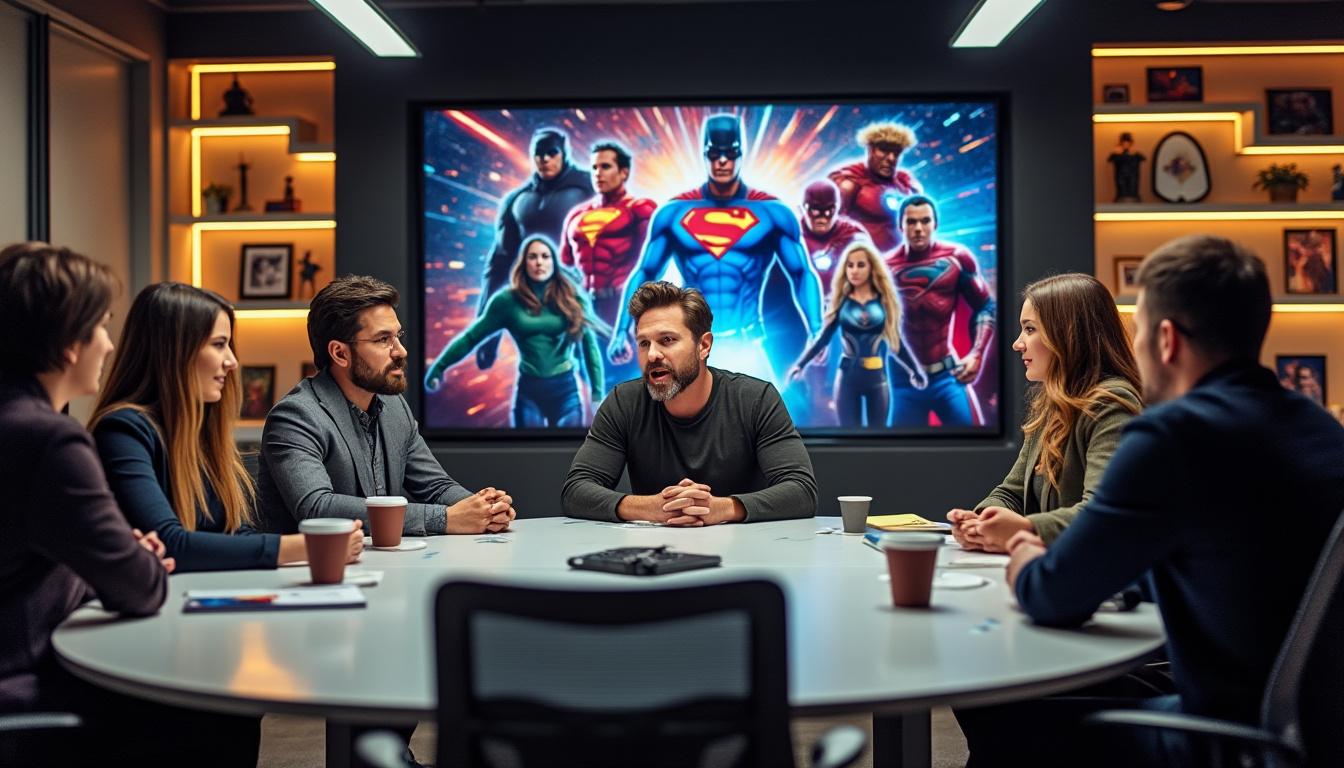
Understanding James Gunn’s Perspective on DC’s Comic-Con Absence
James Gunn, known for his dynamic storytelling in films like *Guardians of the Galaxy*, has taken the helm at DC Studios alongside Peter Safran. Their stewardship has generated considerable excitement, especially with the upcoming *Superman* film at the center of attention. However, their notable absence from major events like Comic-Con has raised eyebrows among fans eager for updates. Gunn’s insights shed light on the strategic reasons behind this decision, emphasizing a shift from traditional promotion methods to more tailored approaches.
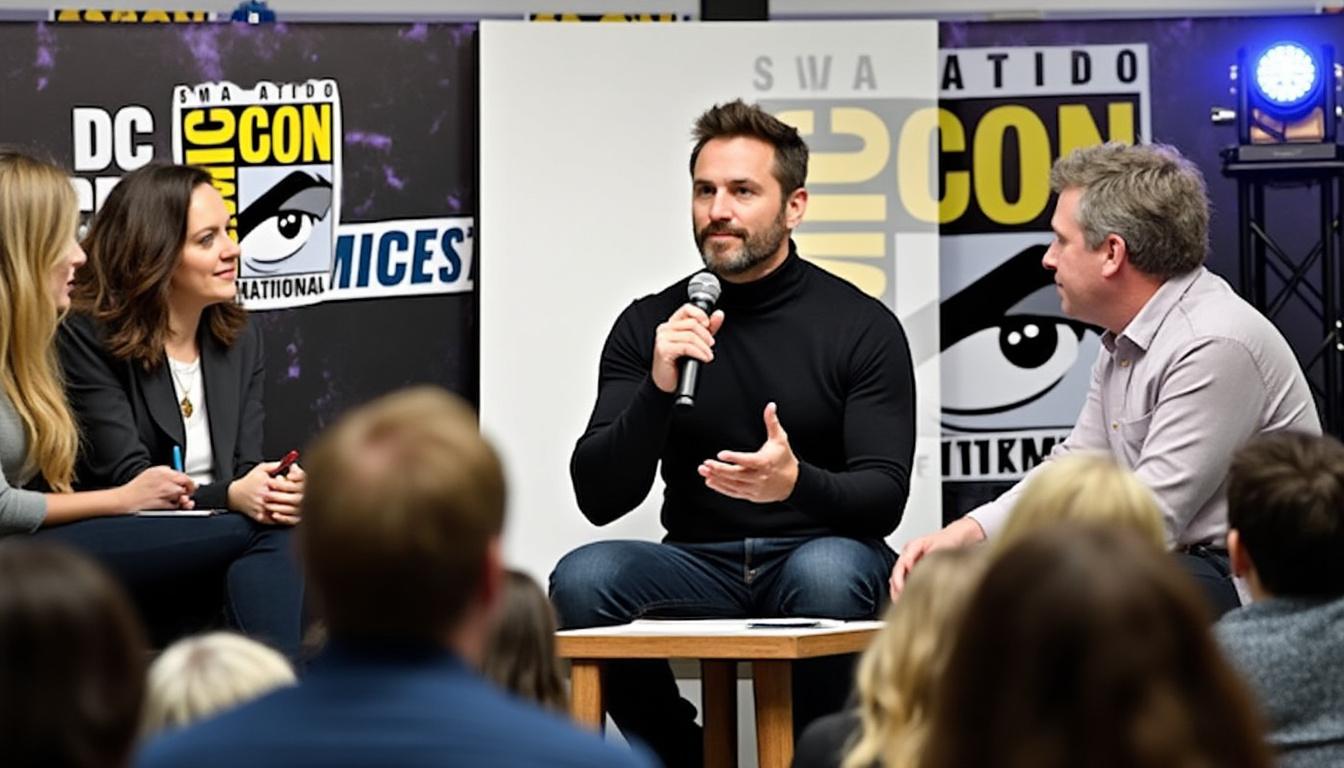
In a detailed interview, Gunn articulated his belief that participation in events such as San Diego Comic-Con is not a one-size-fits-all scenario. He remarks that, “It’s a case-by-case basis. Sometimes you really benefit from going to Comic-Con and spending millions of dollars and selling an idea, especially when you have a great trailer.” This acknowledges the high stakes involved in these large-scale promotions, where the potential for broad exposure clashes with hefty costs.
Unlike previous years, where studios would heavily invest in Comic-Con panels featuring extravagant displays and star-studded appearances, Gunn’s insights suggest a pivot towards a more cost-effective model that prioritizes direct engagement over spectacle. For example, he highlights instances where a simple image post on social media can generate comparable buzz without the financial burden of a Comic-Con presence.
These new marketing strategies come amid increasing scrutiny of the value that major conventions bring. Since 2020, studios have debated the effectiveness of these costly appearances. Many fans have rallied for the return of DC’s digital FanDome, which provided an accessible platform for global audiences, allowing ample opportunity for announcing new content without breaching budgets.
- Cost-Benefit Analysis: Assessing the impact of expenditures on promotional events.
- Social Media Reach: The growing influence of platforms over traditional media.
- Quality over Quantity: Prioritizing finished products over promotional appearances.
The Role of Time in Creative Processes
Gunn’s commitment to quality in his projects is paramount, which reflects in his approach to scheduling. He has openly discussed the time constraints involved in his current workload, especially while working on *Superman*. He states, “I just don’t have much time. I live in Georgia, I’m gonna fly out to Comic-Con for these days that could be spent doing another draft of *Man of Tomorrow*.” This emphasis on time management conveys a substantial devotion to the art of filmmaking that often supersedes traditional marketing priorities.
Analyzing the Shift in Promotional Strategies
The decision to skip Comic-Con signifies more than just a lack of participation; it represents a broader trend within the industry where studios are recalibrating their promotional strategies. In particular, the impact of social media on audience engagement cannot be overstated. Where once grand conventions monopolized the narrative and captured the attention of fans, platforms like Instagram and Twitter have democratized the distribution of information. Gunn’s remarks allude to this transformation and highlight how concise, effective marketing can occur without the extravagant effort previously deemed necessary.
Moreover, studios are now leveraging direct communication strategies that resonate with fans on a personal level. Engaging through social media connections can foster community and excitement around upcoming projects without the exorbitant costs associated with events such as Comic-Con. An example of this direct engagement comes from Gunn himself, who effectively used social platforms to share screenplay covers and behind-the-scenes tidbits. These posts may lack the grandeur of a Comic-Con panel but have proven to be equally effective in generating buzz and anticipation.
Additionally, Gunn’s approach reflects a marked difference from previous administrations of DC Films. During the production of *Man of Steel*, for instance, Comic-Con provided a stage to unveil teasers and trailers in front of an eager audience. In stark contrast, Gunn’s strategy prioritizes readiness and project completion over premature reveals. As seen when new footage is held back until it is polished and ready for fans to digest, this reflects a keen understanding of audience engagement.
| Event Type | Traditional Promotion | Gunn’s Approach |
|---|---|---|
| Cost | High-cost investments in panels | Low-cost social media engagement |
| Time | Extended time commitment for appearances | Focused time on project development |
| Engagement | Wide reach but limited interaction | Personalized, direct engagement with fans |
Fan Reactions and Future Implications
Fan reactions to DC Studios’ absence from Comic-Con reflect a spectrum of opinions, from disappointment to understanding. Many enthusiasts feel neglected and express a desire for robust interactions akin to what Marvel has delivered in prior conventions. However, others recognize that new methodologies can yield fresh benefits. Gunn’s decision indicates a shift not only in how DC Studios communicates with its audience but also in how the fandom must adapt to evolving industry standards.
With cinemas still grappling with the repercussions of the pandemic, the demand for direct connections has increased, pushing studios to rethink their strategies. The emphasis on creating high-quality content, paired with effective marketing efforts, suggests a future where traditional conventions are not the mainstay for announcements or promotional endeavors. The industry could likely witness a growing trend of virtual events that accommodate wider audiences and offer a platform for significant reveals without creating fandom discord.
A substantial aspect of this transition includes fan expectation management. With *Superman* on the horizon, the eagerly awaited film must cater to a diverse audience anticipating a revival of the iconic character. Gunn’s pledge to quality may eventually translate into a rewarding viewer experience, but the path leading to it necessitates understanding the balance between promotion and project integrity.
- Fans call for more direct communication.
- Expectations around quality and engagement increase.
- Impact of convention absences on merchandise and sales.
Potential Rise of New Events
The future landscape of promotional events could evolve, with smaller, more focused gatherings gaining traction over grandiose conventions. These intimate settings could provide ample opportunities for fans and creators to engage meaningfully without needing to blow budgets or adhere to cumbersome schedules. Such an atmosphere could facilitate real-time feedback and spur discussions about upcoming projects, aligning fan interests with studio goals.
The Long-Term Vision for DC Studios and Engagement
Ultimately, James Gunn’s cautious approach to convention appearances, particularly regarding *Superman*, speaks to a long-term vision for DC Studios and its universe. Emphasizing quality, financial prudence, and audience engagement above all else suggests that the studio is positioning itself to succeed in a market teeming with competition. The contemporary landscape of cinema demands more nuanced and deliberate marketing methods, and Gunn is at the forefront of this shift.
The forthcoming strategies will likely reflect a desire for sustainability—both creatively and economically. Given the slew of ambitious projects slated for the coming years, such as reboots and continuations of beloved characters—including *Batman* and extensions related to the *Justice League*—the potential long-term plans promise to redefine how DC Comics interacts with its audience.
DC’s future appears bright as the studio pivots away from conventional pathways to explore innovative engagement strategies. Gunn’s narrative-focused approach reflects a commitment to storytelling that resonates deeply with audiences, thereby setting the foundation for a revitalized and interconnected DC Universe.
| Future Events | Potential Format | Engagement Level |
|---|---|---|
| Small Fan Gatherings | Intimate Q&A sessions | High personal interaction |
| Digital Events | Global access to content | Wider outreach |
| Collaborative Workshops | Creating content together | Community building |