The Evolution of the Joker’s Character Design
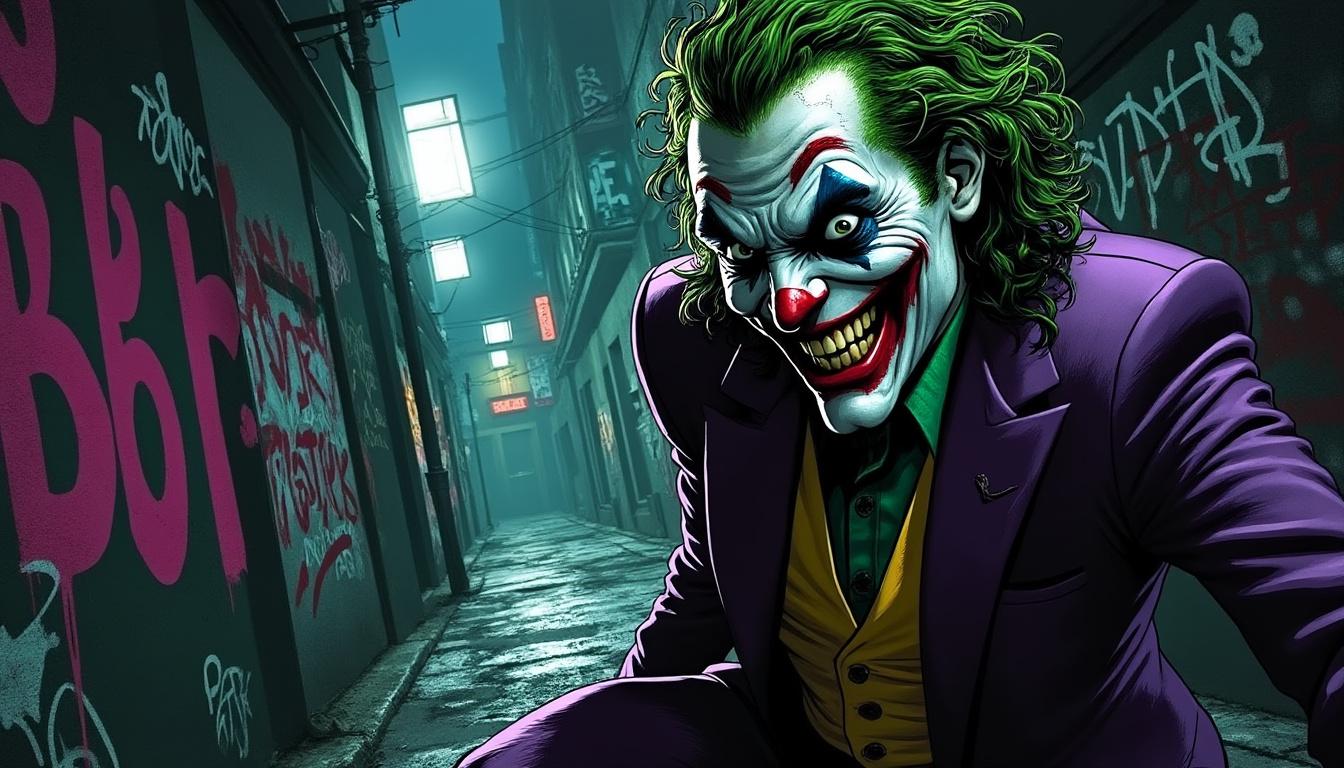
The Joker has long been a staple of the DC Comics universe, evolving from a campy villain in the Golden Age to a grotesque figure embodying chaos and madness. The introduction of the Joker’s latest look in Absolute Batman, illustrated by Nick Dragotta and written by Scott Snyder, represents a culmination of over 80 years of design transformations, reflecting both societal anxieties and the character’s psychopathic nature. This new monstrous representation, unveiled prior to the official release of Absolute Batman #15 in December, has surprised and horrified fans alike.
Historically, the Joker’s appearance has continuously oscillated between the traditional clown aesthetic—complete with bright colors, a wide grin, and whimsical attire—and more sinister interpretations, embodying a spectrum of horror and unpredictability. For example, the Joker’s look in earlier comic editions featured vibrant purple suits and green hair, making him appear almost cartoonish. However, with each remaking, each artist has added darker elements, gradually steering away from clownish imagery toward that of a true predator.
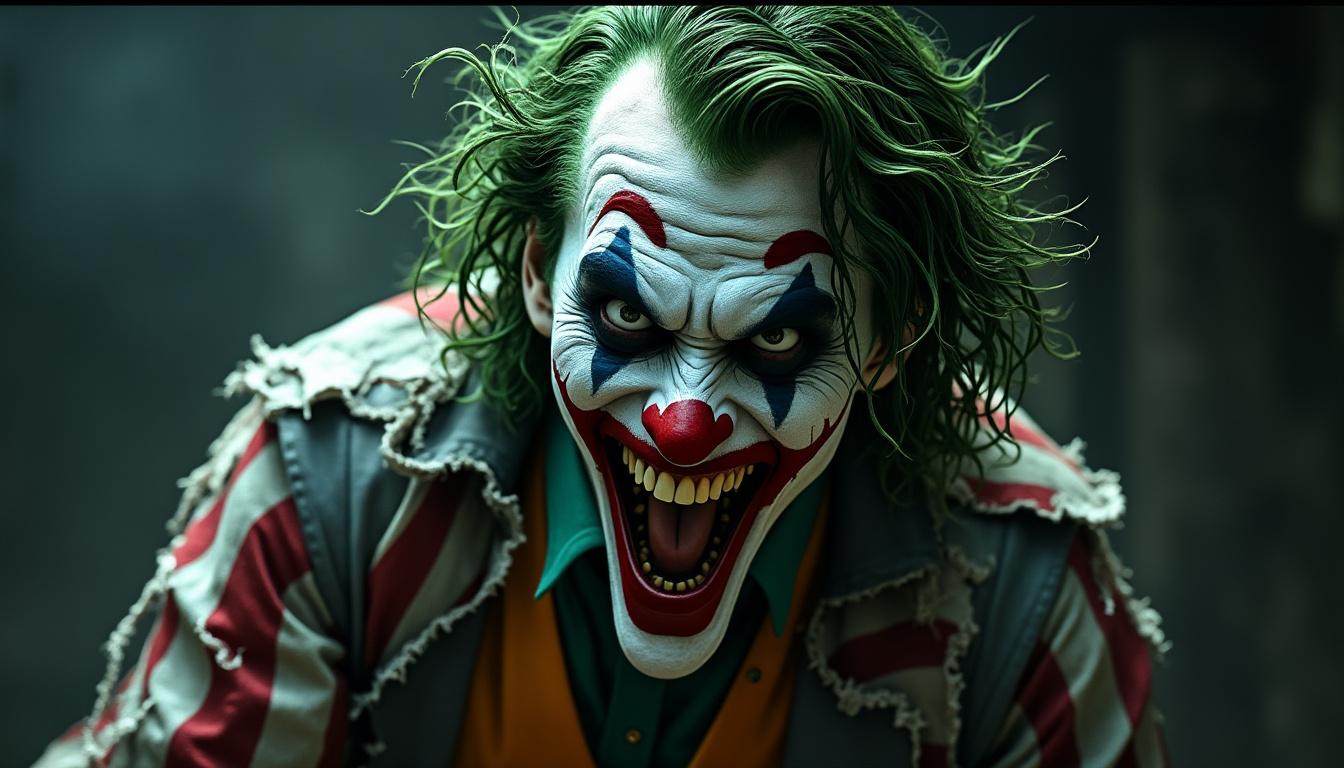
The most recent design amplifies the grotesque, transforming the Joker from a merely criminal mastermind into a nightmarish creature. This shift appears not just as a whimsical makeover but rather as a calculated maneuver to reflect a newly established narrative within DC Comics. The “Absolute Joker” is described as terrifyingly large and menacing, a radical departure from the more humanized versions that had previously graced comic pages. Here, his physicality is more akin to that of a beast than a man, as illustrated by his hulking figure that seems to embody sheer malevolence and unpredictability.
Fan Reactions and Critical Reception
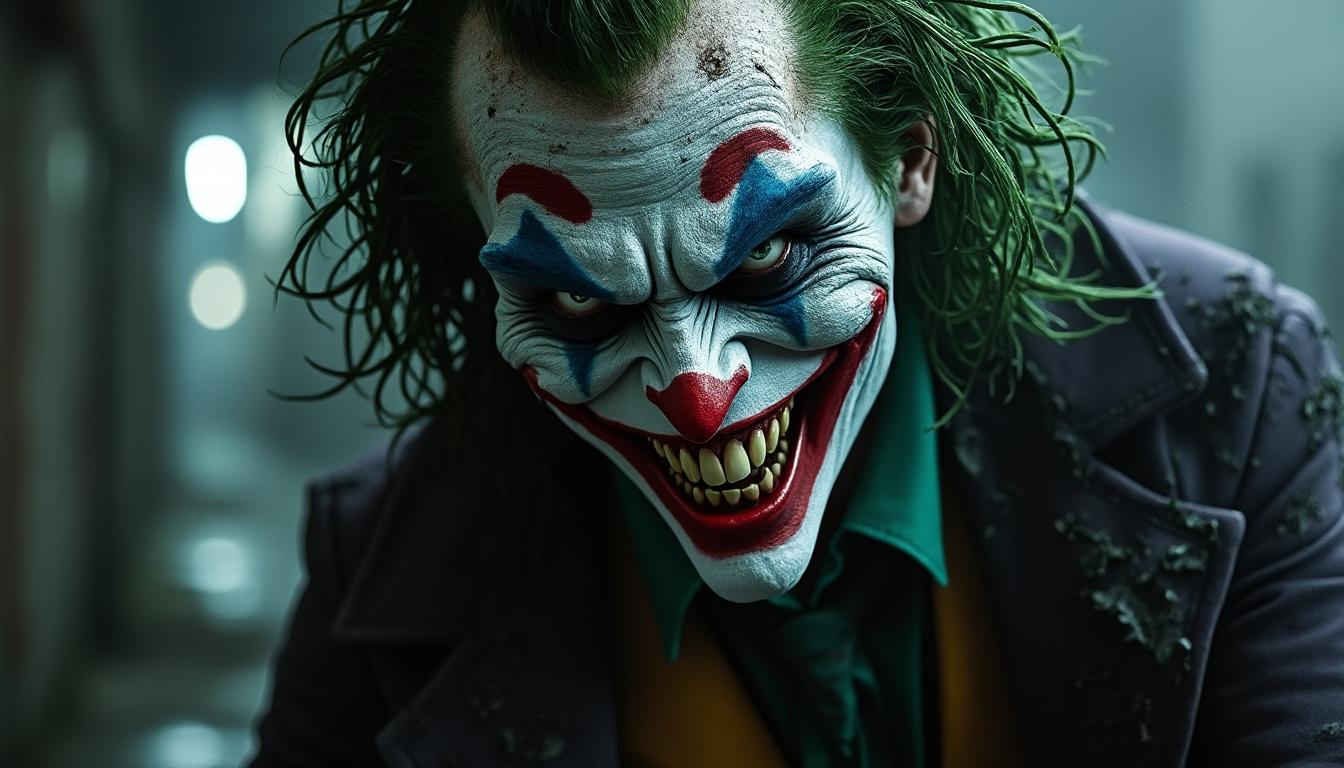
Fan and critical reactions to this transformation have varied widely. While some embrace this new direction, seeing it as a progressive step towards exploring deeper psychological themes, others express discomfort, arguing it distances the character from his roots. Outcry on social media platforms heralds the reveal as one of the most daunting takes on the Joker to date; comments underline the shocking realization that the two-dozen renditions of this character have finally coalesced into one overwhelming horror.
- Positive Reactions: Some fans appreciate the change, considering it a bold declaration of intent. They argue that the shift away from the traditional portrayal allows for new storytelling possibilities.
- Negative Reactions: Critics bemoan what they see as the loss of the Joker’s chaotic charm, arguing that this monstrous design lacks the psychological complexity that has historically defined the character.
- Mixed Reactions: Another segment feels bittersweet, acknowledging that even if this new appearance is not their preferred take, it certainly signals ambition and a desire to innovate.
The character of the Joker thrives in his ability to adapt and provoke. As evidenced by his shifting designs, the Joker harnesses the fears and concerns of the prevailing societal context, which today might revolve around anxieties about authority, mental health, and the shadows lurking within every person.
| Era | Aesthetic Features | Characterization |
|---|---|---|
| Golden Age | Bright colors, clownish attire | Campy villain, humorous |
| Silver Age | Sleek suits, manic expressions | Cunning criminal, psychological complexity begins |
| Modern Age | Dark colors, monstrous features | Embodiment of chaos, fear-inducing versions emerge |
The Narrative Context of Joker’s Transformation
The Joker’s chilling transformation is intricately tied to the larger narrative developments within the Absolute Batman series. Set in a unique universe distinct from the core DC continuity, this narrative reimagines iconic characters in unexpected ways. Readers meet a younger Batman, a 24-year-old civil engineer, crafting stories that merge traditional comic silhouettes with contemporary themes of struggle and psychological depth.
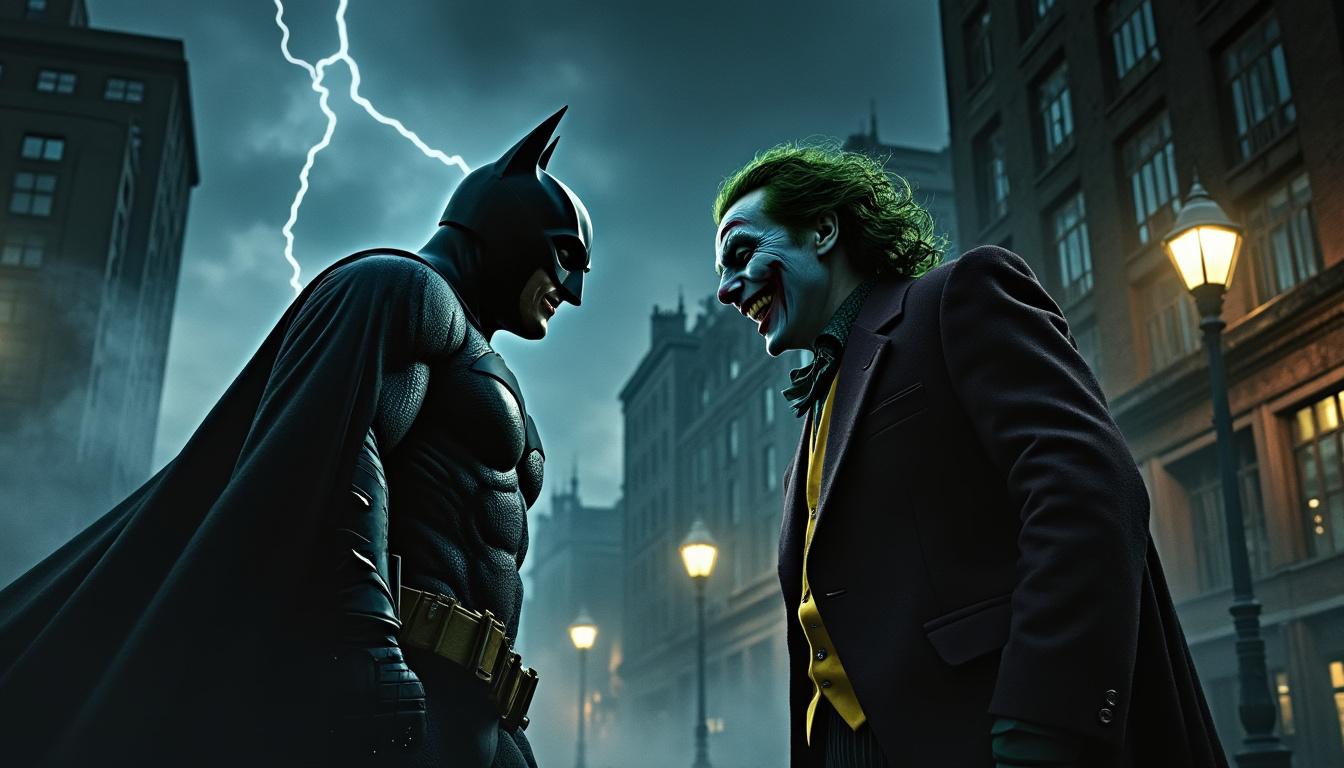
As the Joker evolves into an undeniably formidable foe, his appearance raises questions about Batman’s capacity to confront such a monstrous figure. Here, he ceases to be merely a playful adversary and transforms into a tangible threat. This heightens the stakes in Gotham, traditionally depicted as a battleground for psychological warfare between two flawed protagonists: the Joker and Batman. Readers are left to wonder if even the Dark Knight can contend with this jarring incarnation of evil.
This dynamic also echoes throughout the DC narrative landscape. Other villains have experienced similar reinterpretations in this series, such as Killer Croc and Bane, both amplified to monstrous proportions, further intensifying Batman’s challenges. This cacophony of altered character designs casts a shadow of horror over the series, pushing the boundaries of storytelling while imbuing it with heightened levels of suspense and fear.
- Character Growth: Batman’s growth from a psychological tormentor to a strategic thinker heavily factorizes in how he must approach this new version of the Joker.
- Villainous Ambitions: As Gotham’s crime escalates, so too does the Joker’s ambition, providing a juxtaposition that heightens the narrative tension.
- Psychological Themes: The series delves deep into mental health considerations, emphasizing not merely the Joker’s malevolence but the societal struggles that foster such monstrosity.
Market Impact and Collectible Value
The transformation of the Joker’s visual design is not only a story element but also creates ripples in the collectibles market. Companies such as Hot Toys, Sideshow Collectibles, and Funko are already leaning into the fearsome new character rendition, producing collectibles that echo this latest twist. Fans eagerly anticipate the release of figures and statues that marvel at the sheer horror resonating from the newest incarnation of the Joker. Furthermore, collectibles are becoming increasingly sought after following such pivotal character transformations.
The market demand for memorabilia linked to the Joker has reached new heights, emphasizing collectors’ obsession with tangible reminders of their beloved characters, now accentuated by their new psychological portrayals. Additionally, action figures, PVC statues, and plush toys designed in keeping with the new aesthetic have begun to emerge, promising to cater to the growing demand for items reflecting the Joker’s evolution.
- Hot Toys: Known for their highly detailed figures, they are expected to launch a line dedicated to the Absolute Joker.
- Prime 1 Studio: Specializing in high-end collectibles, their entries reflecting this new design are anticipated to become instant hits among fans.
- Mezco Toyz: Their distinctive take on characters may give rise to a unique version of Absolute Joker for collectors.
| Company | Product Type | Expected Release Date |
|---|---|---|
| Hot Toys | High-end figurines | January 2026 |
| Sideshow Collectibles | Premium statues | February 2026 |
| Funko | Funko Pop Vinyls | March 2026 |
Engaging the Audience: The Joker’s Timeless Appeal
The Joker endures as a character for both his complexity and his ability to resonate with audiences across generations. His different incarnations reflect the changing tides of societal narratives, reminding fans of the underlying truths of human behavior, choices, and consequences. An exploration of the Joker’s character can often serve both as entertainment and as a mirror reflecting the collective psyche of society.
This chilling transformation invites deeper considerations regarding what it means to be a villain in contemporary storytelling. As the Joker grows more formidable, readers must reflect on the ultimate portrayal of evil in narratives, which often echoes the darker aspects of their own lives. It conjures questions around agency, morality, and the experiences of trauma that shape not just villains but also protagonists.
- Timeless Themes: The Joker’s essence lies in his representation of chaos—a vital theme that transcends comic lore.
- Psychological Reflection: The duality of good and evil encapsulated within the Joker reveals insights about human nature itself.
- Pop Culture Influence: The Joker’s continual reinvention has solidified his role as a recurring figure in various forms of media.
As the audience collectively navigates the unfolding story, they remain captivated by the unpredictable trajectory of the Joker, bridging the gap between comic lore and psychological intrigue. The chilling transformation into a horrifying monster underscores this intricate dance between villainy and complexity, ensuring that audiences are left both frightened and enthralled.