
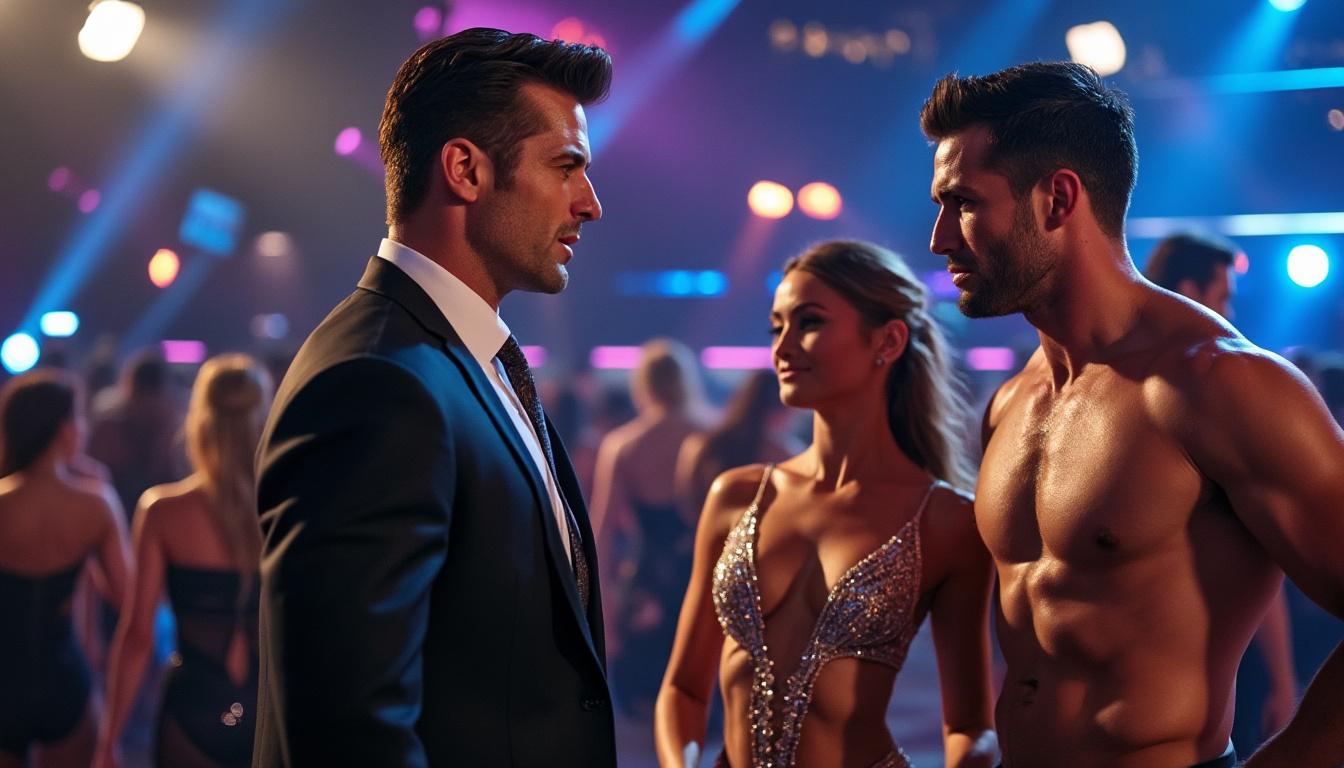
Maksim Chmerkovskiy Critiques DWTS Professional Jan Ravnik
Maksim Chmerkovskiy, a prominent figure from ABC’s beloved dance competition, Dancing with the Stars, stirred up controversy during an episode of his wife Peta Murgatroyd’s podcast, The Penthouse with Peta. This time, he took aim at Jan Ravnik, a novice partner on the show currently performing with actress Jen Affleck. Chmerkovskiy expressed his disapproval of Ravnik’s casting, calling it ‘absurd,’ as he questioned his qualifications for holding a professional dancer status on the program.
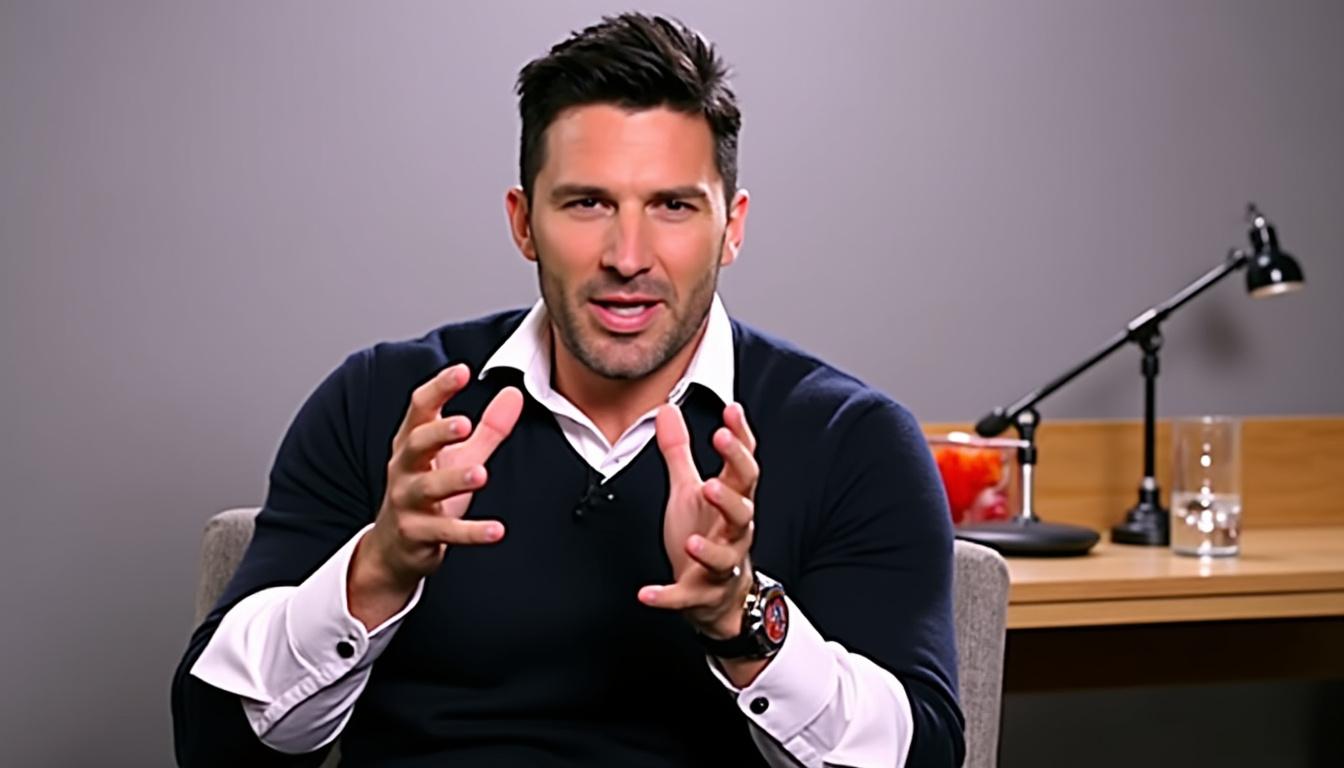
According to Chmerkovskiy, Ravnik simply does not possess the fundamental dance training expected of a professional partner on such a prestigious platform. He stated, “I’m sorry, Jan has absolutely no business being a pro on Dancing with the Stars.” His emotional commentary reflected frustration, particularly regarding the partnership dynamics and Ravnik’s performance skills.
Chmerkovskiy referred to a specific performance during the “Wicked” night, emphasizing how Ravnik showcased a lack of understanding of essential techniques required for the foxtrot. “How are you going to expect him to teach it?” he questioned, highlighting the foundational issues he perceives in Ravnik’s approach to partnering. This criticism comes at a time when audiences are increasingly attentive to both performance quality and the training backgrounds of contestants.
The reaction from the audience has been mixed, with many fans divided in their opinions regarding Ravnik’s casting as a DWTS professional dancer. In a landscape where talented dancers emerge from diverse backgrounds, the question of what defines a professional dancer is more relevant than ever. This critique from a seasoned veteran like Chmerkovskiy serves to ignite discussions about casting decisions that challenge traditional roles on the show.
The Fallout From Chmerkovskiy’s Comments
Following Chmerkovskiy’s remarks, the dance community on social media erupted. Many fans took to platforms like Instagram and Twitter to express their support for Jan Ravnik, arguing that he deserves a chance to shine, regardless of his background as a backup dancer for Taylor Swift. Some felt that Chmerkovskiy’s comments were overly harsh, suggesting that first-time dancers often bring a fresh perspective to the competition.
In a world where traditional ballroom dancing often overlaps with contemporary dance styles, the relevancy of past experience comes into play. It’s clear that Ravnik’s history may not align with typical ballroom training, but he certainly embodies the spirit of creative expression that DWTS allows. As the landscape of reality television continues to evolve, audiences are generally more embracing of diverse dance experiences that can add value to their entertainment.
- Criticism from industry veterans can stifle new talent.
- Social media plays a pivotal role in voicing support for newcomers.
- Understanding audience perceptions of professionalism is crucial.
Interestingly, this isn’t the first time the show has attracted scrutiny over its casting choices. Previous seasons have experienced controversies over the caliber and backgrounds of various contestants. Chmerkovskiy’s remarks serve as a reminder that while critiques hold weight, they can also affect the morale of emerging dancers on the platform.
| Season | Controversial Cast Member | Reason for Controversy |
|---|---|---|
| Season 32 | Lavender Yerevan | Background as a non-professional dancer |
| Season 34 | Jan Ravnik | Backup dancer for pop stars |
| Season 30 | Clara Walters | Social media influencer with no dance training |
Jen Affleck Stands by Her Partner Jan Ravnik
In a bid to combat the backlash, Jen Affleck has publicly defended Jan Ravnik, emphasizing his dedication and commitment to the competition. In a recent TikTok video, the actress was seen reacting to the negativity surrounding her partner, showcasing her loyalty and support. The video featured her emphatically stating, “We don’t tolerate Jan slander in this house,” indicating her frustration with both the criticism and its impact on Ravnik.

Affleck’s public support wasn’t merely for show; it underscored a crucial aspect of the reality competition—partnership. In her rhetoric, she expressed a desire to focus on the positives of their working relationship, thereby shifting the narrative from criticism to camaraderie. This defiance resonates particularly well within the contemporary discourse around mental health in the competitive industries of entertainment and sports.
The concept of partnership in competitive environments is multi-faceted. Traditionally, the dynamics between partners on DWTS play a critical role in the overall performance. Cooperation, trust, and a shared vision contribute substantially to their success. Affleck’s statements serve as a heartfelt reminder of the importance of support during challenging times, especially when public scrutiny threatens to undermine the experience.
The Power of Support in Competition
The role of emotional support in competitions like DWTS cannot be overstated. It enables participants to push through challenges and potentially enhance their performances. Studies in psychology demonstrate the benefits of positive reinforcement and support systems. The ability to cultivate trust and emotional safety leads to improved performance, something both Affleck and Ravnik seem to be working on as a team.
This brings to mind other instances in various reality competitions where public support among partners has shifted narratives and fueled victories. High-pressure environments often require contestants to step beyond their individual capabilities, and support plays a crucial role in that journey.
- Positive affirmations can uplift performers.
- A strong support system breeds trust, especially in high-stakes scenarios.
- Public backing can change the perception of a dancer’s capability.
Affleck’s active involvement and vocal support signal a shift from criticism towards camaraderie that often characterizes the heart of DWTS. As emotional investments grow, audience perceptions may also alter positively, increasing public appreciation for Ravnik’s contributions alongside his partner. In many ways, their journey reinforces the importance of resilience, trust, and connection in competitions.
| Type of Support | Example | Impact on Performance |
|---|---|---|
| Emotional | Jen Affleck defending Jan on social media | Boosts confidence, increases synergy |
| Practical | Joint rehearsals and practice sessions | Enhances technique and fluidity |
| Mental | Encouragement during social media challenges | Reduces pressure, fosters innovation |
Public Perception of Dancing with the Stars Contestants
Public perception plays an instrumental role in how contestants are received on reality television. In the case of Dancing with the Stars, feedback comes from various channels including social media, entertainment news platforms, and even audiences’ personal experiences with dance. Each performance adds to the growing tapestry of opinions on what qualifies a contestant as a “pro.”
/otoimage prompt=”Dancing with the Stars audience watching a performance”>
As seen with Jan Ravnik, background and training weigh heavily on public approval. Despite being a popular backup dancer, his leap to a pro dancer tag in DWTS has turned heads. Social media platforms, like Instagram and Twitter, host active discussions where both praise and criticism flow freely. The evidence of a split audience shows how divided opinions can produce a compelling narrative around an individual contestant’s journey.
The vocal opinions of both fans and industry insiders lead to discussions that often envelop performances with judgments that can feel like a double-edged sword. On one hand, fans raise their voices in defense of newcomers, emphasizing their right to user-friendly personal narratives. On the other hand, critiques like those from Chmerkovskiy steer the conversation back to established norms of professionalism and dance proficiency.
- Fans often rally for new dancers to prove their worth.
- Critics often expect veterans’ standards for newcomers.
- Social media influences public discussions significantly.
Ultimately, public perception is shaped by a blend of talent, emotional resonance, and the art of performance. The expectations surrounding contestants evolve over time, as illustrated by the ongoing support or disapproval of figures like Ravnik and Affleck. Audiences may find themselves challenged to rethink their notions of professionalism in performance arts, as well as reconsider the impact of their criticism on players’ morale.
| Perspective | Viewpoint | Examples |
|---|---|---|
| Supporter | Uphold newcomers | Fans defending Jan Ravnik on Twitter |
| Critic | Expect high standards | Maks Chmerkovskiy critiques performance abilities |
| Observer | Gauge talent over time | Public evaluations during live shows |
The Future of DWTS and Professional Dancers
The ongoing dialogue surrounding Jan Ravnik and Maksim Chmerkovskiy’s comments provides essential context about the journey of new dancers entering traditionally established roles on programs like Dancing with the Stars. Moving forward, the dynamics between casting decisions and audience reception will remain intertwined as reality television continues to reflect cultural shifts and trends in performance.

As the casting process evolves, it’s essential to recognize the competitive nature of this platform. Traditional dance training backgrounds may soon encounter others who bring different forms of artistry, appealing to broader demographics. The complexity of audience engagement will influence how shows select their participants and who holds the ultimate title of ‘professional dancer’.
Social media platforms and public discussions, along with platforms like E! News and People Magazine, are increasingly becoming an integral part of shaping the narrative around each contestant. Balancing emotional support, professional critique, and various forms of dancing artistry will likely define how audiences view and validate their stars on DWTS.
As the competition unfolds, all eyes will be on how Jen Affleck and Jan Ravnik navigate these challenging waters together. Their collective journey could soon redefine what it means to be a professional dancer on one of the most watched dance platforms in the world.