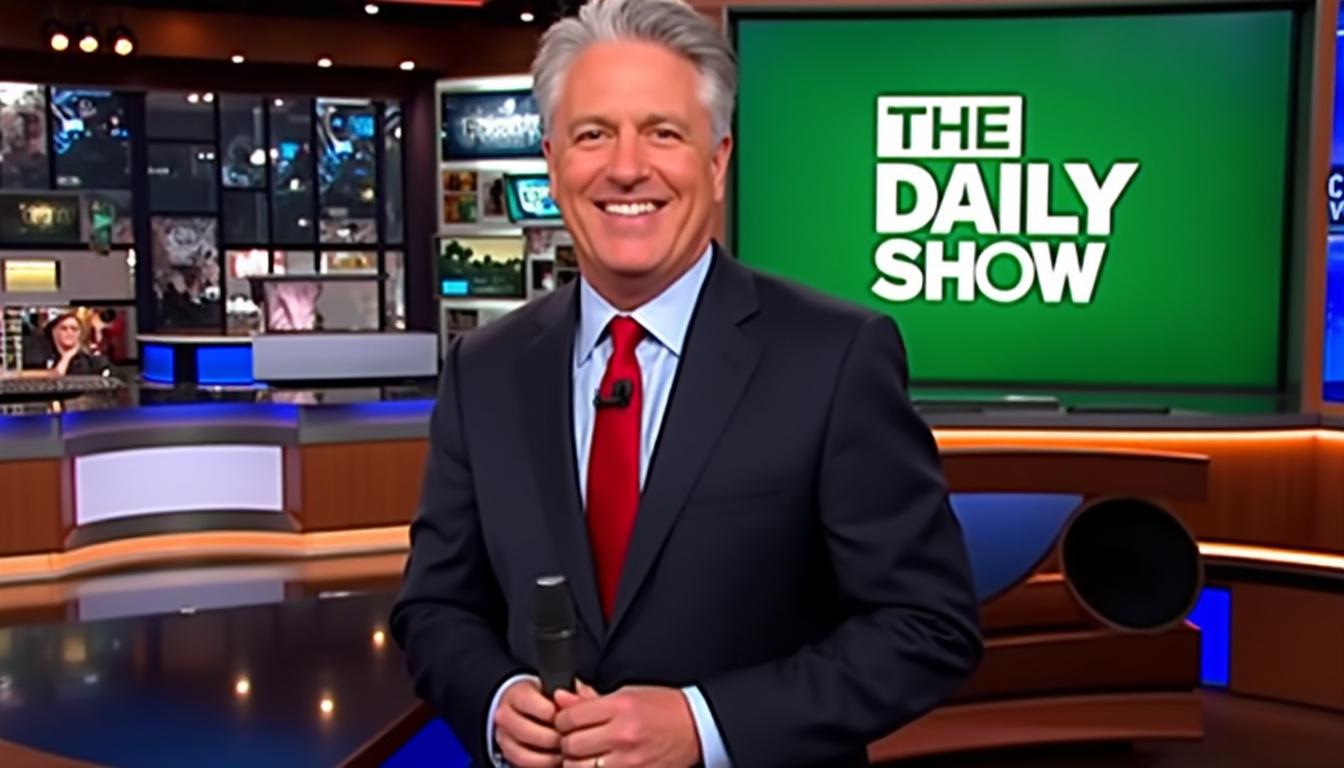

Jon Stewart’s Contract Dilemma: What’s Next for The Daily Show?
As 2025 approaches, the spotlight is firmly on Jon Stewart, whose tenure as host of The Daily Show has garnered both critical acclaim and a dedicated audience since his initial run from 1999 to 2015. With his current contract set to expire in December, Stewart recently addressed the future of his role during the 26th Annual New Yorker Festival.
Stewart has shared that the decision to renew his contract is complicated, suggesting that circumstances have made it anything but straightforward. When asked about his future, he noted, “We’re working on staying,” indicating his desire to maintain his position but also revealing underlying concerns about the show’s direction following significant changes at ViacomCBS.
In navigating this uncertainty, it’s worth noting some critical factors that have contributed to this complex decision. The recent merger between Paramount and Skydance has left many speculating about the future of political satire on television. With other late-night shows, such as Jimmy Kimmel Live! and The Late Show with Stephen Colbert, facing significant changes or even cancellations, Stewart’s consideration of whether to remain in the Late Night TV scene seems more pressing than ever.
Stewart weighs his integrity against the potential benefits of continuing at The Daily Show. It reflects a broader question about the role of satirical news in today’s political landscape. As he puts it, “If I had integrity, maybe I would stand up and go, ‘I’m out.’ Or maybe the integrity thing to do would be to stay in it and keep fighting in the foxhole.” His reflections illustrate the ongoing struggle between media responsibility and personal morals in a rapidly shifting news environment.

The Impact of Recent Industry Changes
Stewart’s deliberations come at a time when the media landscape is undergoing tremendous turmoil. The merger between major players in the entertainment industry reflects an ongoing effort to consolidate power and influence, affecting the tone and direction of political coverage on cable networks. Stewart’s concerns emphasize this transformation, as he fears a drift towards “some kind of soft autocracy where news is controlled.” This apprehension mirrors the anxieties many share regarding the viability of independent, satirical voices in the wake of corporate consolidations.
Moreover, Stewart’s historical context as a fundamental figure in American satire cannot be overlooked. During his initial tenure, he built The Daily Show into a critical platform for political discourse, using humor as a vehicle for commentary and criticism. His return in 2024 during the presidential election extended the life of the show, equipped with the same satirical lens that helped him win numerous Emmy Awards. As such, any significant changes to Stewart’s role could dramatically reshape the series’ identity moving forward.
- Recent Changes Impacting Stewart:
- Paramount and Skydance Merger: Tuning editorial direction.
- Temporary suspension of Kimmel and cancellation of Colbert.
- Potential shift in political discourse within media.
- Paramount and Skydance Merger: Tuning editorial direction.
- Temporary suspension of Kimmel and cancellation of Colbert.
- Potential shift in political discourse within media.
- The Role of Political Satire:
- Functions as a tool for engagement and education.
- Helps audiences navigate complex political landscapes.
- Critiques media portrayals and promotes critical thinking.
- Functions as a tool for engagement and education.
- Helps audiences navigate complex political landscapes.
- Critiques media portrayals and promotes critical thinking.
In a landscape that increasingly prioritizes sensationalism, Stewart’s emphasis on remaining “patriotically obedient” hints at a deeper commitment to resistance through comedy. As he reconciles his identity as a television host and his ethical convictions, this remains a crucial point of intersection for both his career and the program’s legacy.
The Audience’s Expectations and Reactions
As one of the most recognizable faces in late-night television, Jon Stewart has cultivated a unique rapport with his audience over the years. The expectations surrounding his return to The Daily Show in early 2024 were immensely high, particularly as he stepped back into a role that demands both sharp wit and unwavering critical insight. Early feedback has ranged from excitement to skepticism as fans digest Stewart’s new perspective on contemporary issues.
One facet of audience reaction centers on the evolution of political satire in the current era. While Stewart’s return was marked by a familiar comedic style, viewers have noted a subtle shift in tone, reflecting heightened concerns over the political climate. Stewart’s views—melding humor with serious commentary—resonate strongly in a world where misinformation is rampant. This recalibration speaks to a generation increasingly concerned with issues of autonomy, equity, and accountability in both politics and media.
As the show transitions into this new phase, audience engagement remains paramount. Responding to the changing dynamics of television viewership, The Daily Show has leveraged various platforms to maintain relevance among both dedicated fans and new followers. In doing so, the show has not only adapted to changing media consumption patterns but also embraced social media as a primary tool for interaction.
| Dimension of Audience Engagement | Current Strategy |
|---|---|
| Social Media Interaction | Utilizing platforms for behind-the-scenes content and immediate reactions. |
| Live Engagement | Encouraging audience participation and feedback during episodes. |
| Message Resonance | Aligning with audience values and societal issues. |
These strategies indicate that the production team behind The Daily Show remains committed to evolving alongside its audience. Engaging viewers not only deepens their connection but is also vital as Stewart contemplates the future. As the host navigates his personal goals with audience expectations, maintaining this relationship could prove invaluable for the ongoing success of the show.
Comparative Analysis of Late Night Hosts
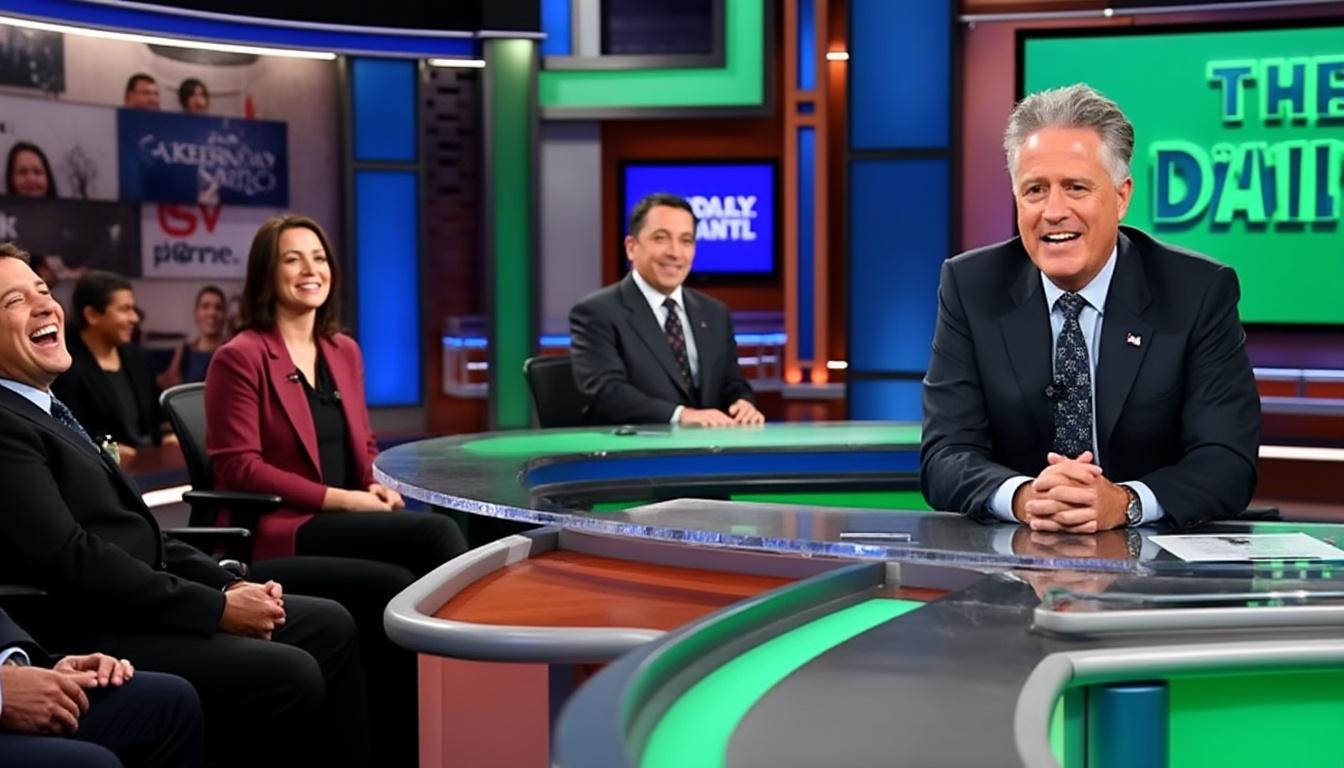
In the current landscape of late-night television, the competition is fierce as various hosts carve out unique identities rooted in their comedic styles. With Stewart’s potential return, a fascinating comparison between him and other prominent figures, such as Stephen Colbert and Jimmy Fallon, emerges. Each host brings a distinct flavor to political commentary, underscoring the evolving role of satire in shaping public discourse.
Colbert, often wielding a more direct ideological approach, engages in sharp critique while also fostering a playful atmosphere. In contrast, Fallon leans towards light-hearted humor, often sidestepping the weightiest political topics. Stewart, on the other hand, has historically combined these elements, blending rigorous analysis with laughter, a hallmark of his original tenure.
- Distinctive Styles of Late Night Hosts:
- Jon Stewart: Merges satire with informed critique, often tackling profound societal issues.
- Stephen Colbert: Engages in incisive political commentary, continually challenging opponents.
- Jimmy Fallon: Focuses deeply on entertaining and humorous segments, prioritizing light narratives.
- Jon Stewart: Merges satire with informed critique, often tackling profound societal issues.
- Stephen Colbert: Engages in incisive political commentary, continually challenging opponents.
- Jimmy Fallon: Focuses deeply on entertaining and humorous segments, prioritizing light narratives.
- Shifts in Audience Preference:
- Desire for more substantive political discussions.
- Cultural commentary now a significant aspect of late-night programming.
- Expectation for hosts to actively engage with pressing national issues.
- Desire for more substantive political discussions.
- Cultural commentary now a significant aspect of late-night programming.
- Expectation for hosts to actively engage with pressing national issues.
Undoubtedly, as the landscape changes, the ability of hosts to adapt their comedic styles becomes crucial in sustaining viewer interest. Stewart’s recognizable style could bridge the gap, attracting audiences seeking genuine political discourse aligned with entertainment, especially as many drift towards platforms featuring more serious discussion of political issues. The future development and balance of television satire will undoubtedly be one of the defining narratives in the coming years.
Political Commentary Through the Lens of American Satire
Stewart’s lasting effect on American satire is not merely based on his humor but also on his ability to lend critical insight into political landscapes. The blend of comedy and serious critique allows for a distinct avenue of understanding significant cultural events, presenting them through news parody that resonates with diverse audiences. This method not only entertains but educates, creating a unique platform for discourse.
As The Daily Show continues to evolve, the importance of context within satire grows. The historical backbone of Stewart’s work reveals how political satire can serve as an educational tool while also challenging audiences to seek deeper truths behind headlines. Even with the fast-paced nature of news cycles, Stewart’s perspective remains a vital lens through which viewers can engage critically.
| Impact of Political Satire | Key Contributions |
|---|---|
| Engagement | Stimulates conversation about political issues. |
| Education | Informs viewers about complex topics in an accessible format. |
| Resistance | Challenges narratives constructed by mainstream media. |
Looking ahead, if Stewart continues with The Daily Show, his voice will undoubtedly carry implications for how audiences engage with and interpret political matters, potentially reshaping the broader narrative within late-night television and creating more substantial public discourse.