

Netflix Takes a Bold Step with New Video Game Adaptations
With gaming culture at an all-time high, Netflix has positioned itself as a key player in transforming beloved video game franchises into compelling television experiences. This strategy not only caters to hardcore gamers but also captures the attention of casual viewers, fostering a wider appreciation for these narratives. A recent example is the collaboration between Netflix and A24, which aims to adapt the popular cooking simulation game Overcooked into an unscripted competition series.
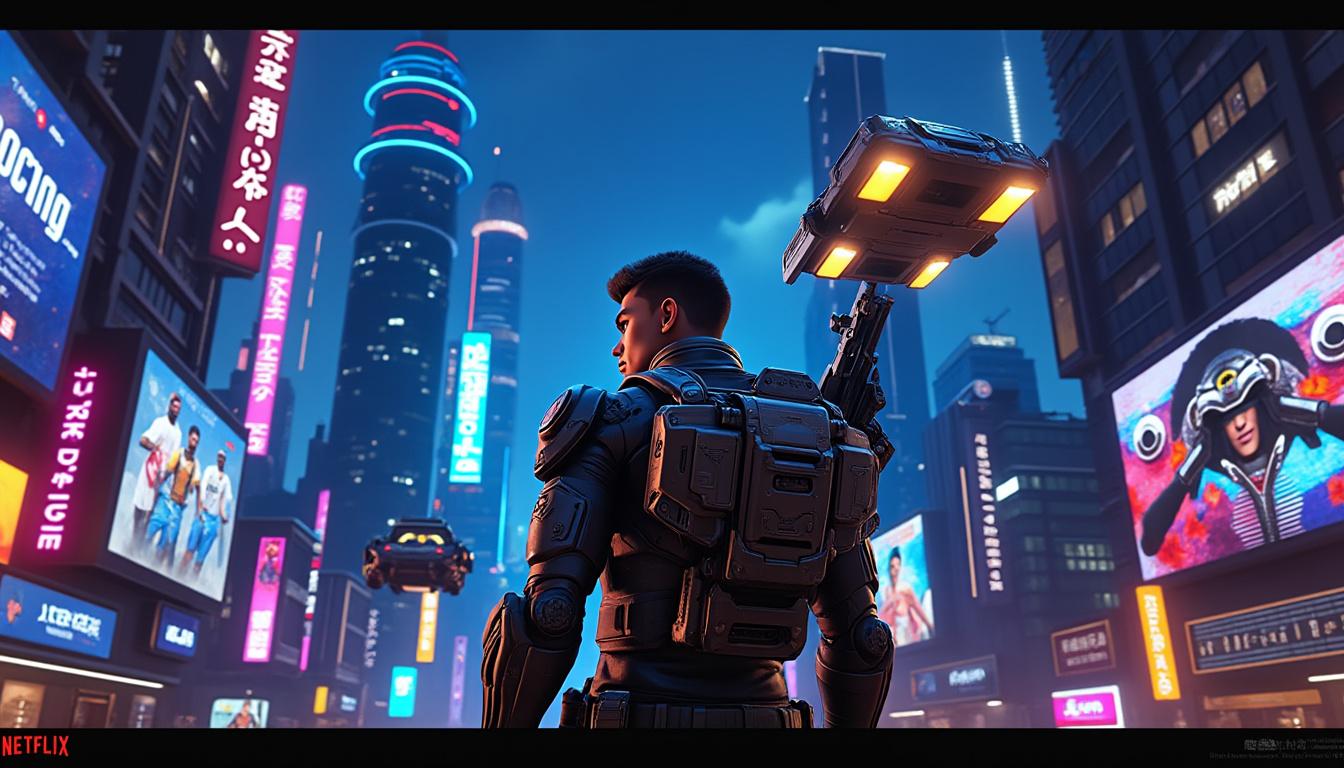
The adaptation of Overcooked encapsulates the essence of teamwork that the game embodies. Players must coordinate efforts to prepare, cook, and serve meals in increasingly chaotic kitchens filled with obstacles. This premise is not merely for entertainment—it reflects the cooperative nature of the game, which challenges participants to communicate effectively under pressure. By channeling this dynamic into a reality show format, Netflix and A24 could offer an engaging viewing experience reminiscent of family-friendly favorites like Nailed It! and Floor Is Lava.
For those unfamiliar, Overcooked debuted in 2016 and quickly captivated audiences, winning multiple awards at the British Academy Games Awards for Best British Game and Best Family Game. Its success paved the way for a sequel and a remastered version, emphasizing its enduring appeal. The plans for the Netflix adaptation promise to highlight the hilarity and chaos that ensues when friends and family try to work together toward a common goal.
As Netflix leans more into video game adaptations, it’s worth exploring other notable projects currently in development. Here’s a snapshot:
| Video Game Franchise | Type of Adaptation | Current Status |
|---|---|---|
| Assassin’s Creed | Live-Action Series | In Production |
| Crash Bandicoot | Animated Series | In Development |
| Splinter Cell | Animated Series | In Development |
| Overcooked | Reality Competition Series | In Development |
With such projects on the horizon, Netflix is solidifying its reputation as a frontrunner in the adaptation of interactive media. These ventures only highlight the increasing cross-pollination of gaming and television, and the potential for deeper storytelling rarely seen in traditional forms of entertainment. As series based on franchises such as Ubisoft’s Assassin’s Creed and Capcom games make their way to screens, the landscape of streaming continues to shift towards interactivity and engagement.
Understanding the Popularity of Video Game Adaptations on Streaming Platforms
The surge of interest in video game adaptations is not purely coincidental; it stems from a cultural shift in how audiences consume digital narratives. Platforms such as Netflix are strategically capitalizing on the existing fandoms that video games have cultivated over the years. This confluence of gaming and storytelling provides content creators with rich source material, filled with established lore, compelling characters, and built-in audiences.
Moreover, the evolution of video game narratives has reached a complexity previously seen only in cinematic experiences. Titles like The Last of Us have unlocked a new realm of emotional storytelling, which highlights human experiences through the lens of gaming, leading to an increased demand for more adaptations.
- Strong existing fan base: Adaptations attract viewers who are already familiar with the storylines.
- Opportunities for character development: Game stories often allow for deeper exploration of characters, appealing to viewers who enjoy intricate narratives.
- Expansion into new media: Adapting games into series provides an entry point for non-gamers, expanding the overall market.
One standout in this trend has been the adaptation of the Assassin’s Creed franchise, which has a rich history in both games and literature. The upcoming live-action series, being one of Netflix’s most anticipated projects, showcases the potential for immersive storytelling that resonates across different mediums. With production insights from Ubisoft, viewers can expect a faithful exploration of narrative intricacies.
This adaptation wave isn’t limited to Netflix; other streaming giants are also diving into the action. HBO’s portrayal of The Last of Us has been met with critical acclaim, prompting other platforms to explore similar paths. The success of such adaptations encourages creators to think outside the box and take risks on engaging narratives.
Future adaptations also stand to benefit from technology’s evolution, enabling better visualization of game worlds and characters. Enhanced CGI and animation can bring to life dense environments, making stories even more engaging and visually stunning.
Exploring Different Genres: The Spectrum of Video Game Adaptations
The journey of adapting video games into television series encompasses a multitude of genres that reflect the diversity of gaming itself. From action-packed adventures to heartwarming family stories, different adaptations have carved out unique niches. Netflix’s dynamic approach ensures that there’s something for everyone, catering to a wide array of tastes.
To understand this genre diversification, consider the following adaptations:
- Action and Adventure: Series like the upcoming Splinter Cell adaptation promise thrilling espionage and action sequences.
- Family-Friendly: Crash Bandicoot offers a nostalgic experience for families, making it perfect for younger viewers.
- Historical Drama: The intricacies of the Assassin’s Creed series delve into rich historical narratives, intertwining fiction with real-world events.
This spectrum not only reflects the wide-ranging interests of audiences but also demonstrates how games can pivot across genres. The varied storytelling methods allow creative teams to attract viewers from both gaming and non-gaming backgrounds.
Moreover, adaptations can utilize elements from their source material that translate well into televised formats. For instance, the fantasy world-building in games like those from Bethesda or Electronic Arts can translate into visually captivating episodes that hook viewers with complex lore. Additionally, exploring characters’ backgrounds in ways that games might not always allow—due to gameplay constraints—presents a fresh angle in storytelling.
| Adaptation Title | Source Game | Genre | Platform |
|---|---|---|---|
| The Last of Us | The Last of Us | Drama/Thriller | HBO |
| Resident Evil | Resident Evil | Horror/Drama | Netflix |
| Assassin’s Creed | Assassin’s Creed | Historical Drama | Netflix |
| Overcooked | Overcooked | Competition Reality | Netflix |
As Netflix and other platforms continue exploring this landscape of diverse adaptations, they facilitate dialogues about genre and audience engagement in ways that are both innovative and meaningful. The push towards various adaptations allows for cultural exchanges that elevate the original content and enhance audience interaction.
What Lies Ahead: Future Trends in Video Game Series Adaptations
As video game adaptations gain traction, several trends are emerging that could reshape the landscape of how stories from games are told on screen. In anticipation of these trends, Netflix appears well-positioned to lead the charge, equipped with a wealth of popular franchises and a growing pool of talent attuned to the needs of both gamers and traditional audiences.
One notable trend is the shift toward more than just adaptations; studios are now interested in creating original content inspired by the themes or mechanics of existing games. This could result in entirely new narratives that retain the essence of beloved franchises while providing a fresh take on familiar worlds.
Additionally, interactivity in storytelling will likely become a focal point. The rise of interactive shows on platforms like Netflix suggests a shift toward blending elements of video games within series, allowing viewers to influence outcomes. This methodology could harness gaming’s interactive nature, resulting in a more immersive experience for audiences.
- Expansion of Franchise Universes: Just as comic book adaptations created shared cinematic universes, video game franchises may expand into interconnected storytelling.
- Localization Efforts: Adapting games for different cultures could lead to localized versions of popular franchises, enhancing global reach.
- Enhanced Fan Engagement: Behind-the-scenes content, interactive polls, and audience-driven narratives could deepen viewer connections.
Ultimate success in this landscape will frequently hinge on how well studios understand the core fandoms of their source material. By respecting the narratives and characters that have resonated with gamers, creators can build trust—leading to passionate viewership and longevity for series.
The road ahead for video game adaptations is undoubtedly filled with intrigue. Audiences are set to experience a myriad of interpretations that blend the pixelated art of gaming with the storytelling potential of cinema. As platforms like Netflix thrive in this evolving space, one can only wonder what innovative ideas lie in wait to captivate viewers.