

Understanding the Survivor Experience of Nate Moore
Nate Moore’s journey on Survivor 49 stands out in a landscape often riddled with contestants boasting typical backgrounds. As a former executive at Marvel Studios, known for his pivotal role in the Marvel Cinematic Universe (MCU), Moore’s decision to keep his Hollywood career under wraps raises intriguing questions about authenticity and strategy in reality television. Participants usually bond over shared experiences, making connections crucial for a successful game. However, Moore chose a different path, revealing several challenges associated with concealing a significant part of his identity.
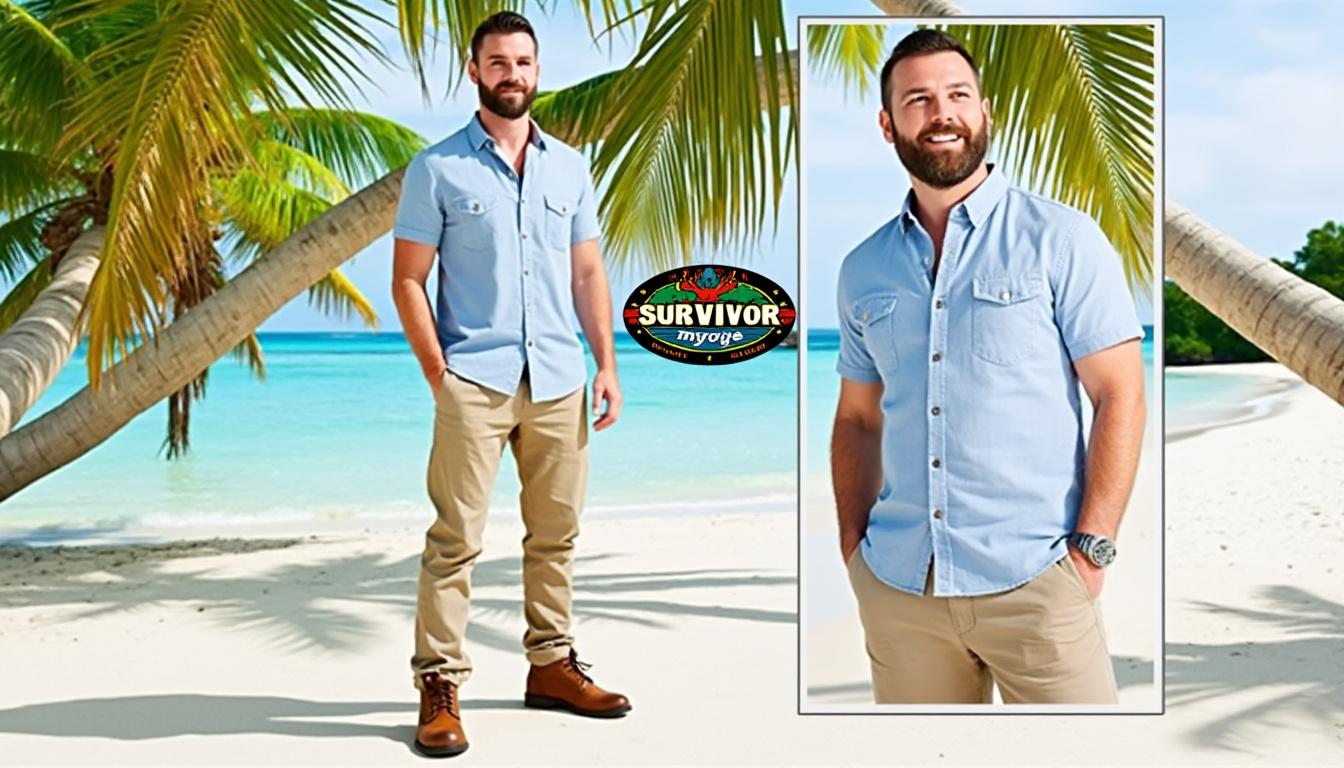
Entering the game, Nate Moore could have easily leveraged his impressive credentials to gain allies. His involvement in major blockbuster films, including “Black Panther” and “Captain America,” would typically earn respect and admiration among fellow contestants. Instead, he opted for a strategy of invisibility. Moore expressed hesitancy about his decision, recognizing now that keeping his Marvel background a secret hindered his ability to connect with others and foster alliances. The secrets one keeps can complicate their Survivor journey, as personal stories often serve as the glue binding alliances.
Without sharing his notable career, Moore faced the added challenge of navigating conversations where others freely discussed Marvel franchises that he helped create. His silence in these moments, particularly as competitors bonded over their favorite movies from the MCU—discussing characters like Iron Man and Spider-Man—put him at a disadvantage for connection, leading to feelings of isolation and regret.
The psychological aspect of playing Survivor emphasizes the importance of social gameplay. Moore’s decision to downplay his identity ultimately placed him in a vulnerable position, culminating in his early exit from the game. The idea that his career could have been a bridge rather than a barrier is a perspective he now openly shares, encouraging future contestants to embrace their identities fully.
Analyzing the Strategic Advantages of Honesty
Keeping personal information guarded can sometimes create a mystique surrounding a player. However, as Moore’s experience illustrates, the pitfalls can outweigh potential advantages. When forming alliances, players can often gauge authenticity through vulnerability. In the case of Nate Moore, not sharing his background may have backfired and led his tribemates to perceive him as less relatable. Reflecting on his decisions leads to an exploration of the broader strategies employed by contestants in Survivor.
- Social Connections: Contestants build bonds through stories which nurture loyalty.
- Shared Experiences: Relatable narratives can solidify alliances.
- Authenticity: Transparency fosters trust among players.
While some contestants may thrive on the enigma, fostering intrigue can backfire, particularly in short-term games dependent on immediate alliances. Survivor’s social dynamic shifts constantly, and maintaining genuine relationships often dictates longevity in the game.
As evidenced by episodes of previous seasons, strategic transparency often correlates with consistent success in the game. Bonding over shared history, including experiences from college or past jobs, can enrich gameplay significantly. Moore’s reflection offers a fresh perspective on the ideological approach to relationships in reality television—how vulnerability can yield deeper connections and ultimately progress within the game.
The Reality of Celebrity on Reality TV
Survivor 49 brings the intriguing intersection of celebrity culture and reality television to the forefront. Having spent years in the glamorous world of Hollywood, Nate Moore’s decision to engage in a reality competition like Survivor illustrates the shift many former industry insiders are making today. Contestants have historically grappled with their personas outside the game and how those identities influence their gameplay.
Reality television, notably Survivor, often thrives on the raw and unpolished nature of human interactions. Unlike the curated experiences one might find within their carefully constructed social media identities, game participants are stripped down to their core, revealing strengths, weaknesses, and vulnerabilities. Moore’s experience highlights the challenge of shedding celebrity personas.
Moreover, contestants with notable career backgrounds face immense pressure to perform in ways that deviate from their typical professional roles. In many ways, this pressure contributes to the paradox of a contestant attempting to succeed without the privilege of their well-established identity, as seen in Moore’s case.
The emergence of celebrity formats gives a fresh spin to the reality TV landscape. Understanding how these individuals negotiate their identities can shed light on current trends among reality show contestants, bridging the gap between traditional fame and the world of unscripted entertainment.
This exploration leads many to consider the evolving identity of reality TV stars. Furthermore, it raises questions about what it takes for a contestant to balance personal authenticity with competitive gameplay, especially for those like Moore, who have moved from one arena of public scrutiny to another.
| Contestant Name | Notable Career Background | Game Strategy | Outcome |
|---|---|---|---|
| Nate Moore | Marvel Studios Executive | Concealed identity | Early Exit |
| Other Contestant | Former Athlete | Team-oriented, openly shared | Long-lasting |
| Another Contestant | Reality Star | Strategic honesty | Finalist |
The Dynamics of Player Interactions
Moore experienced firsthand how his concealed identity affected collaborations and team dynamics throughout the show’s progression. Contestants often rely on group settings to exchange ideas and build allegiances, making open discourse vital for cooperative gameplay. However, when performed poorly, guardedness may alienate others and lead to the breakdown of potential alliances.
As the competition hones in on survival, conflicts may arise among castaways who feel mistrust or uncertainty about each other’s motives. Moore’s hesitation to engage in discussions revolving around the MCU ultimately edged him away from the collaborative atmosphere and placed him in a precarious position during critical gameplay transitions.
Lessons gleaned from his experience serve as a valuable takeaway for future contestants, reinforcing the idea that full engagement in group dynamics may lead to stronger results in the game. Ultimately, it highlights the need for players to balance strategy with engaging with their fellow competitors.
Lessons in Trust and Regret
Nate Moore’s experience on Survivor surfaces universal themes of trust, connection, and regret. Contestants are repeatedly tested not only in terms of physical endurance but also emotional resilience. Decisions made in moments of anxiety can drastically change the course of the game, as Moore’s journey illustrates. The ability to trust oneself and one’s instincts emerges as a crucial element in navigating the challenges in reality TV.
The fragility of trust acts as a double-edged sword: while forging connections is essential for strategic gains, the potential for betrayal looms large throughout the competition. Moore’s reticence to share his background ultimately left him feeling vulnerable and regretting the divided loyalties that resulted. His reflections evoke an enlightening narrative on trust and its place within the core of competition.
The regret of missed opportunities to connect is a poignant reminder for contestants and audiences alike, encapsulating essential human experiences. Participants are often faced with crossroads that require them to make decisions weighing immediate team dynamics against the long-term implications for their gameplay.
- Trust: The foundation of alliances.
- Regret: The emotional impact of decisions.
- Connection: Vital for collaboration.
However, the lessons learned from Moore’s experience of keeping secrets about his past resonates with anyone engaged in competitive environments and serves as a useful reminder to embrace authenticity rather than dilute one’s identity. Living authentically is not just a gameplay choice; it proves to be vital for neighboring relationships in various contexts beyond reality television.
| Key Lessons | Explanation |
|---|---|
| Importance of Sharing | Fostering connections over personal stories leads to stronger alliances. |
| Balancing Strategy with Authenticity | Players must navigate personal identity alongside competitive necessity. |
| Learning from Regret | Participants can evolve through acknowledging missed opportunities. |