
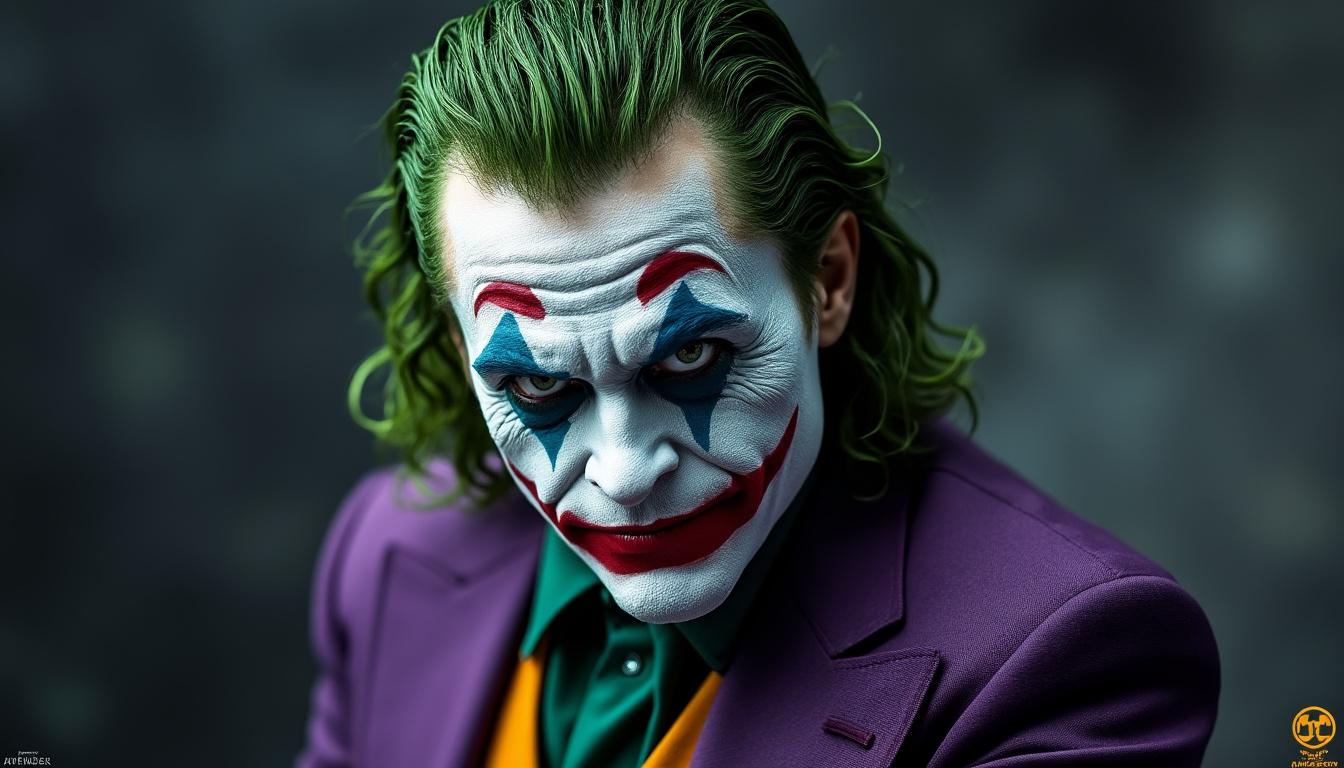
New Insights into Jared Leto’s Joker and Fan Reactions
The recent revelation of a new image showcasing Jared Leto’s Joker has ignited fervent discussions among fans about the potential direction of the Justice League franchise. Captured through the lens of renowned director Zack Snyder, this image takes fans deeper into the troubled psyche of one of DC Comics’ most notorious villains. In past portrayals, Leto’s Joker was criticized by some, but Snyder’s latest rendition offers a glimmer of hope for those desiring a more nuanced take on the character.
Snyder’s dedication to enriching the narrative of Leto’s Joker within the context of the Snyder Cut highlights a gradual evolution in perception. When Leto first portrayed the character in the 2016 film Suicide Squad, reactions were divisive. Some praised his unique interpretation, while others found it lacking in depth. However, the new image from Snyder’s upcoming work has sparked renewed interest among fans eager to see more of this version of the Joker and the shadowy Knightmare timeline from the Justice League narrative.
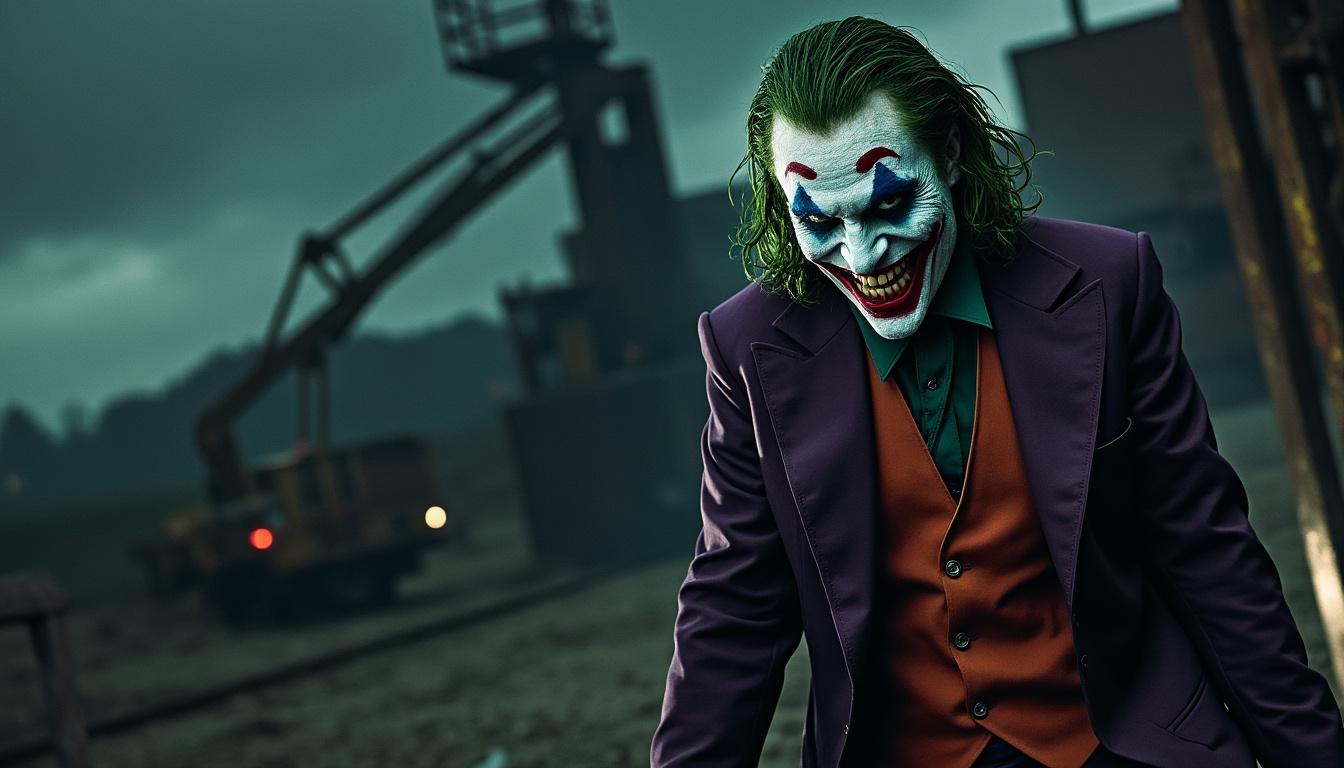
The Knightmare scene, which was part of the additional footage Snyder filmed for the director’s cut, presents a dystopian future dominated by darkness. With Darkseid on the verge of complete conquest, this storyline not only adds layers to Leto’s character but also recontextualizes the relationships between key players in the DC Extended Universe (DCEU). In it, we see Batman, portrayed by Ben Affleck, reluctantly teaming up with the Joker to combat a corrupted Superman, a narrative twist that has left many fans on the edge of their seats.
- Fan responses highlight a yearning for more of the Knightmare scenario.
- Various social media platforms overflow with requests for a Justice League sequel.
- Many speculate about Leto’s vision aligning closely with the darker themes initially presented in Snyder’s style.
As the community engages with this new photograph, it’s clear that there exists a distinct appetite for a deeper exploration of Leto’s Joker. The juxtaposition of his chaotic personality with Batman’s staunch moral code sets the stage for tension-filled moments that fans have yet to fully witness.
The Impact of Zack Snyder’s Vision on the DCEU
Zack Snyder’s cinematic universe has consistently aimed to challenge conventional superhero narratives, focusing on moral ambiguity and complex character development. His approach not only redefines the Joker but also expands on the larger DCEU storyline, which had its beginnings with Man of Steel. Snyder’s commitment to presenting darker themes has received mixed reactions, yet it has undeniably created an entrenched fan base that clamors for continued storytelling.
The emotional complexity introduced in Snyder’s version contrasts sharply with past DCEU films. The director’s 4-hour cut of the Justice League came with an estimated budget exceeding $70 million for re-editing and additional filming, underscoring his commitment to realizing the project according to his vision. This has resulted in a more intricate storytelling approach, allowing for character arcs to develop deeply, particularly for figures like Leto’s Joker, who embodies chaos and manipulation.
| Factor | Impact on DCEU |
|---|---|
| Character Depth | Provides audiences with a richer understanding of motivations. |
| Dark Themes | Challenges conventional superhero tropes and viewer expectations. |
| Visual Storytelling | Enhanced cinematography that adds emotional weight to scenes. |
A recurring theme within Snyder’s storytelling is the exploration of duality; notably among villains and heroes. The ambiguity of Leto’s Joker, coupled with the moral dilemmas faced by Batman, reminds audiences that not all battles between good and evil are clear-cut. This complex dance of morality is something that fans wish to see more prominently moving forward.
Fan Demand and Future Prospects for Justice League
Fan enthusiasm has never waned regarding the potential for a sequel to Justice League, particularly after the positive reception of Snyder’s director’s cut. The comments section of Snyder’s recent social media posts reveals an overwhelmingly supportive community wishing for more content centered around the Knightmare timeline. One user succinctly captured the sentiment: “Would love love love to see the Knightmare pick up right where ZSJL left off.”
Couching fan demand within the context of studio decisions poses a unique challenge. With Warner Bros. retaining creative control, the potential for future Justice League projects hinges on a myriad of factors, including public interest, financial viability, and strategic corporate positioning. Yet, the momentum surrounding Leto’s Joker indicates a burgeoning push that could sway studio decision-making.
- Many fans resonate with the darker interpretation of superhero narratives.
- Social media platforms display a multitude of posts advocating for a continuation of Snyder’s vision.
- Engagement metrics suggest a heightened interest in adaptations of the Knightmare content.
Fan-created content, from art to video edits, increasingly showcases a desire to explore more stories involving Leto’s Joker in this context, specifically highlighting the dynamic between Batman and the Joker. Collaborative efforts within the fan base could potentially influence studio decisions, furthering the demand for more nuanced superhero narratives.
The Cultural Shift Reflective in Snyder’s Joker
A deep cultural shift is evident within superhero storytelling as illustrated by Snyder’s vision for Leto’s Joker. By introducing a more multifaceted interpretation of villainy, the narrative acknowledges the complexities of mental health and the societal rejection faced by those who embody chaos. This portrayal not only reflects contemporary dialogues around mental health but could also serve to foster understanding and acceptance.
In recent years, the entertainment landscape has steadily moved towards representing complex characters authentically. Snyder’s Joker invites audiences to delve into the intricacies of trauma and moral ambiguity, reflecting our current societal dynamics where understanding and acceptance are advocated. This is a significant departure from earlier interpretations, which often relegated the Joker to mere caricature.
| Aspect | Modern Interpretation | Traditional Portrayal |
|---|---|---|
| Mental Health | Exploration of Joker’s troubled psyche | Often trivialized |
| Character Arc | Nuanced, showing evolution | Static, often one-dimensional |
| Audience Engagement | Encourages empathy and dialogue | Promotes fear and disdain |
This evolution encourages audiences not only to view the character differently but also to reconnect with the underlying pathos of the *Justice League* storyline. By immersing viewers in challenging contexts like the *Knightmare* timeline, Snyder’s vision resonates with a generation ready to explore the depths of their own humanity.
Lasting Legacy of Jared Leto’s Joker in the DC Extended Universe
The legacy of Leto’s portrayal of the Joker continues to unfold as fans eagerly await potential continuations of the *Justice League* saga. Snyder’s vision emphasizes that every character, regardless of their role as hero or villain, has a story worth telling. This perspective invites dialogue surrounding the multifaceted nature of morality and the choices that shape individual destinies.
Moreover, as the DCEU evolves, the adaptability of characters like the Joker, alongside their profound backstories, can lead to a reinvigoration of the superhero genre. With projects from independent directors weaving into the larger tapestry of DC Comics narratives, there’s ripe potential for intersections between traditional heroism and more complex anti-heroes like Leto’s Joker.
- The continuing evolution of Leto’s Joker exemplifies the changing landscape of entertainment storytelling.
- Fan stories and adaptations reflect an appetite for nuanced narratives.
- The potential for future collaborative works among filmmakers could reshape narratives within the DCEU.
Ultimately, engaging with Leto’s Joker allows a deeper reflection of societal values, while also reinforcing the idea that stories can continually grow. The conversation ignited by Snyder’s latest photos transcends mere aesthetics, entering the realms of cultural significance and identity, thereby cementing the Joker’s place in ongoing discussions around the DCEU’s future.