
James Cameron’s Enthusiastic Support for Godzilla Minus One
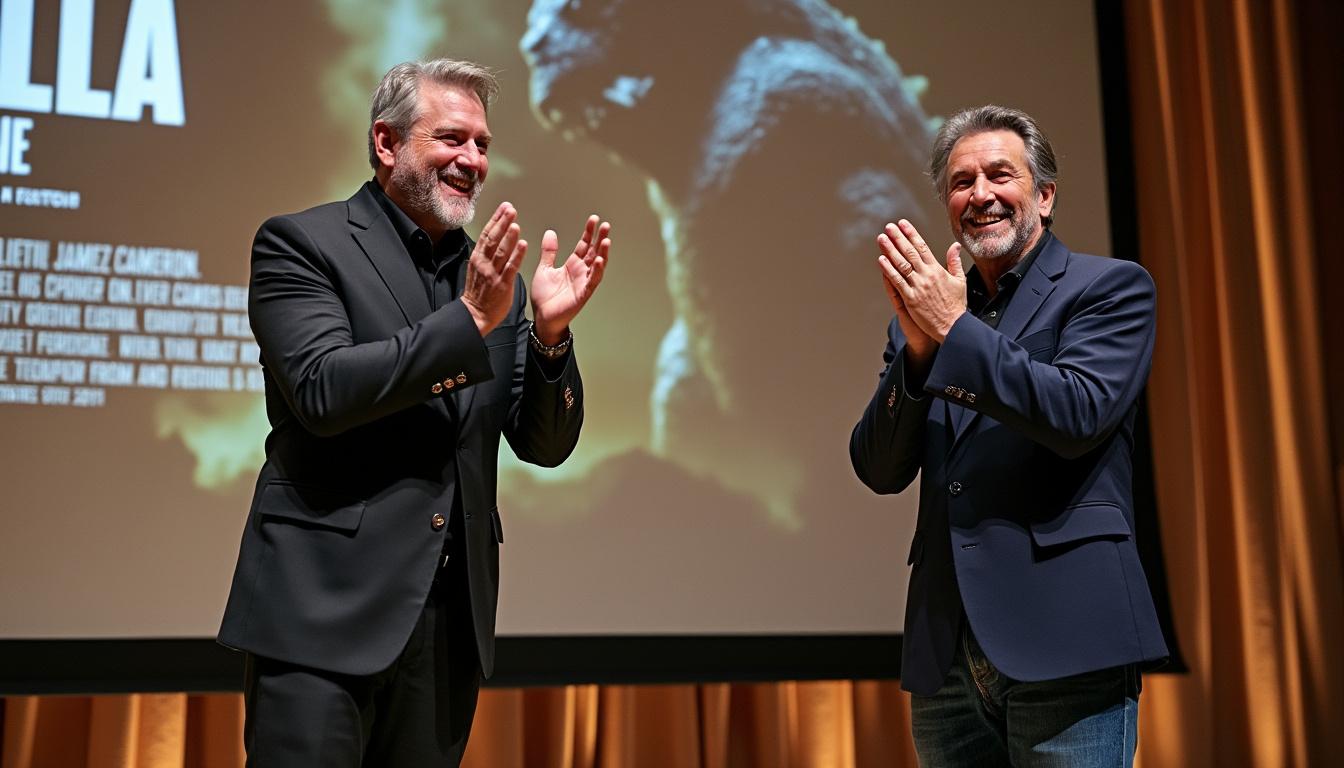
Director James Cameron has always been known for his ability to create visually stunning films that push the boundaries of technology in the film industry. Recently, during a promotional event for his upcoming project, Avatar: Fire and Ash, he took a moment to express his admiration for the acclaimed Japanese filmmaker Takashi Yamazaki, the director behind Godzilla Minus One. Released amid a surge of interest in kaiju films, Godzilla Minus One has garnered a reputation for its gripping narrative and technological advancements in cinematic storytelling. Cameron’s praise reflects how this film marks a significant moment in the legacy of the Godzilla franchise. This interaction between two titans of the industry is not just about admiration; it signifies a potential collaboration that could reshape the landscape of modern cinema.

This encounter took place during Cameron’s visit to Japan, where he made his first appearance in three years. His enthusiasm for Yamazaki’s work signifies a deeper acknowledgment of the narrative depth that films like Godzilla Minus One can provide. For many fans, this newfound alliance between directors across different cultures offers a refreshing take on collaborative projects that draw from diverse storytelling traditions. The synergy between Cameron and Yamazaki may hold the key to exploring new dimensions in genre filmmaking.
Cameron expressed his eagerness for the sequel, Godzilla Minus Zero, stating how he would love to contribute in various capacities, including possibly directing secondary units if needed. This playful offer from such an influential figure leads to discussions about the impact of collaboration in the era of blockbuster filmmaking, where cross-cultural partnerships can yield dynamic results. The humor shared between the two directors not only reflects mutual respect but also suggests a willingness to innovate and embrace collaborative creativity.
From a broader perspective, the cinematic landscape has increasingly shown that cross-genre collaborations can lead to groundbreaking results. Ideally, the work that Yamazaki has done with Godzilla Minus One and the forthcoming Godzilla Minus Zero could serve as a benchmark for international projects. Collaborations between directors from different backgrounds do not merely enhance a film’s scope; they also introduce audiences to different cultural viewpoints. It enriches the overall cinematic experience, allowing viewers to engage with stories on multifaceted levels. The blend of Cameron’s vast expertise in visual effects and Yamazaki’s unique storytelling could pave the way for innovative projects that explore themes few have tackled together.
The Anticipation for Godzilla Minus Zero
The announcement of Godzilla Minus Zero has stirred excitement among film lovers and industry professionals alike. Following the monumental success of Godzilla Minus One, which won the Academy Award for Best Visual Effects, fans are eager for what Yamazaki will bring to the sequel. While details about the plot remain under wraps, speculation abounds regarding how both authors might connect the narrative to the vital themes of national recovery and anxiety prevalent in the post-war context that characterized the original Godzilla films.
The unique backstory of Godzilla Minus One, set against the backdrop of post-World War II Japan, offers a rich tapestry for Yamazaki to weave more intricate plots. By revisiting the emotional and political climates of the time, the sequel could further delve into characters’ psychological struggles, echoing themes that resonate with contemporary audiences. Imagine a scene where newly introduced characters face their fears in the shadow of Godzilla’s destructive presence—a stark reminder of past traumas.
In this sequel, there’s considerable anticipation surrounding the visual storytelling aspects, especially with Yamazaki returning as director, writer, and VFX supervisor. This multi-faceted role allows him creative control over all aspects of production, ensuring that the visual narrative aligns seamlessly with the story’s emotional demands. Cinematography will play a vital role in this project, as the world will expect a visual feast akin to its predecessor. The impact of technology in Godzilla Minus One set a new standard, and audiences will undoubtedly expect nothing less in the sequel.
With the film scheduled for release in late 2026, fans are brimming with excitement and curiosity about how the project will materialize. The wait may be long, but the collaboration between Cameron and Yamazaki holds promise for a truly innovative cinematic experience. Will they tread familiar thematic paths, or will they venture into unexplored territories with this newfound partnership? A continuation of their shared vision could very well result in a film that captivates audiences on an unprecedented scale.
Exploring the Intersection of Western and Eastern Cinema
The interplay between Western and Eastern cinematic traditions has long been a point of fascination among film scholars and enthusiasts alike. As James Cameron proclaims his admiration for Takashi Yamazaki and the success of Godzilla Minus One, it serves as a testament to how these two disparate storytelling methods can complement each other. The blending of action-packed sequences and emotional depth is a hallmark of both directors’ styles, presenting a fertile ground for cinematic exploration. This collaboration might serve as a case study for how films that embrace cultural nuances can resonate universally.
Films produced in both Hollywood and Japan often focus on themes that transcend borders, such as heroism, love, and sacrifice. However, the methods of storytelling differ greatly. While Western films might lean toward overt character arcs and fast-paced plots, Eastern storytelling often emphasizes slight nuances, intricate relationships, and the significance of setting. By fusing these approaches in upcoming projects, particularly when multiple cultures join forces, the results could be profoundly enriching for both creators and viewers.
The cinematic conversation sparked by Godzilla Minus One sets the stage for deeper dialogue regarding how global cinema can evolve through cooperation. As audiences look forward to the continued legacy of Godzilla films, they will witness not just a continuation of a beloved monster’s saga but a merging of storytelling philosophies that could redefine genres. Themes of resilience and survival depicted through the lens of different cultures could resonate within the current global climate.
A vital component of this evolving cinematic landscape is the role of technology. Innovations in cinematography and special effects can elevate narrative richness while still anchoring the emotional core of the story. For Yamazaki, utilizing state-of-the-art visual effects will not only enhance the excitement but enable nuanced character expressions that add new layers to their personas. This blend of advancements with storytelling creates a comprehensive cinematic experience that captivates audiences and offers fresh perspectives on familiar themes.
The Evolution of the Godzilla Franchise
The recent accolades and successes surrounding Godzilla Minus One and its anticipated sequel underscore the evolving nature of the Godzilla franchise. Over its illustrious 70-year history, Godzilla has transitioned from a symbol of post-war anxiety to a multifaceted character representing various themes, such as environmentalism, technological concerns, and national identity. Each film marks an evolution in storytelling, reflecting societal changes and artistic innovation in the medium.
Yamazaki’s portrayal of Godzilla in Minus One is noteworthy. His perspective reshapes the monster from merely a beast of destruction into a complex character that parallels the human experience of survival and recovery. This new direction invites audiences to empathize with both the creature and the victims of its destruction. Such an approach allows for a dialogue on broader existential questions surrounding trauma and resilience in the aftermath of calamity.
The upcoming Godzilla Minus Zero holds potential for continuing this exploration. As it is framed within the legacy of its predecessors, the film serves as both a homage and an innovation. Yamazaki’s return promises creativity that honors the franchise while also challenging conventions and expectations. Audiences can anticipate a cinematic experience that encapsulates the essence of Godzilla while venturing into uncharted territories of character development and thematic exploration.
Looking toward the future, it’s essential to recognize that the Godzilla franchise serves as a canvas for exploring critical issues of human existence. As directors like Cameron and Yamazaki continue to push boundaries and explore new collaborative projects, the conversation around significant themes, personal sacrifices, and societal issues will only deepen. The intersection of kaiju mythology with modern storytelling techniques represents a unique opportunity for filmmakers and audiences to engage with both nostalgia and fresh narratives.
The Impact of Film Collaborations on the Future of Cinematic Storytelling
The prospect of James Cameron and Takashi Yamazaki working together embraces the paradigm shift in movie collaborations. The invitation extended by Cameron for potential contributions to Godzilla Minus Zero encapsulates a growing trend where filmmakers from varied backgrounds unite to push creative boundaries. Such collaborations can significantly impact not only individual films but the overall trajectory of cinematic storytelling.
Emphasizing the significance of cross-cultural partnerships, the potential joint efforts of Cameron and Yamazaki could foster groundbreaking techniques that redefine the art of visual storytelling. The future of cinema can benefit from the merging of different perspectives, reflecting shared human experiences that resonate across demographic lines. As they dive into projects that challenge conventional filmmaking constraints, audiences can expect narrative complexity and visual richness that resonate profoundly.
Ultimately, the legacy of Godzilla is not merely the monster itself but the dialogue it sparks among generations of filmmakers and audiences. As Yamazaki and Cameron embark on new projects, they may illuminate themes that transcended cultural and geographic boundaries. The willingness to collaborate could usher in a new golden age of cinema, where storytelling knows no limits. Thus, the excitement surrounding films like Godzilla Minus Zero is emblematic of the power of cooperation, innovation, and the unyielding spirit of storytelling that binds humanity together.
In conclusion, the relationship growing between established industry leaders like Cameron and emerging voices like Yamazaki offers a glimpse into how future films could evolve. It exemplifies the benefits that arise from embracing diverse perspectives and cultivating creative synergies. This collaboration could resonate with audiences worldwide and breathe fresh life into beloved franchises. Eventually, this could answer the timeless questions of what it means to be human amidst chaos, catastrophe, and recovery.