

Anemone 4K: A Comprehensive Film Analysis
The much-anticipated return of Daniel Day-Lewis in the film Anemone marks a significant moment in cinematic history. After an eight-year hiatus, during which the talented actor announced his retirement following his performance in Phantom Thread, this release showcases a multifaceted narrative intertwined with familial relationships. Co-written with his son, Ronan Day-Lewis, who also took the helm as director, the film delves deep into the complexities of brotherhood and parental bonds.
Despite some criticisms regarding the execution of its narrative, the film undoubtedly highlights Day-Lewis’s unparalleled acting mastery. His portrayal of Ray Stoker is both nuanced and compelling, standing out even amid an occasionally sluggish storyline. It has earned praise for its exploration of the profound ties that exist between brothers and their fathers, which many critics have described as moving yet haunting.
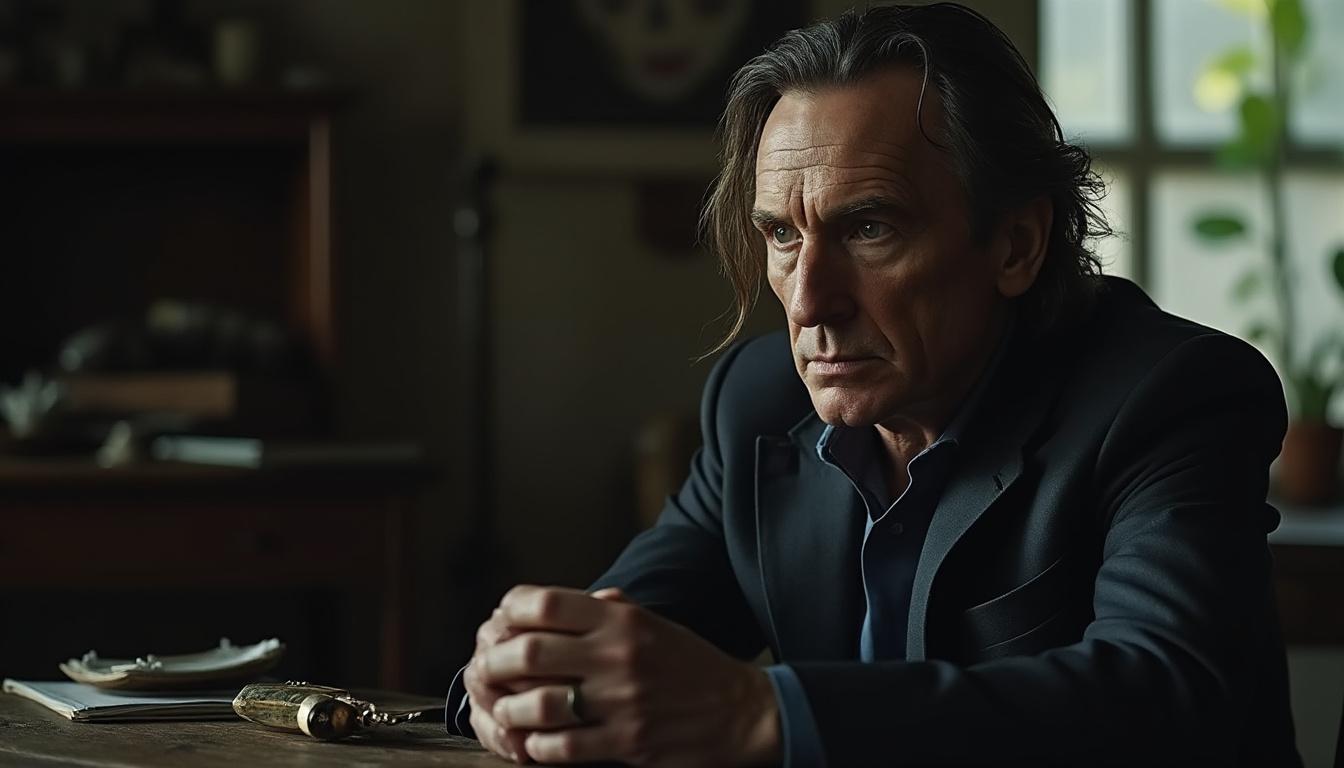
The essence of Anemone lies not only in its thematic exploration but also in the execution of its cinematography. Directed under Ronan Day-Lewis’s artistic vision, the film exhibits a stylistic approach that enhances its storytelling, enveloping viewers in a richly textured visual experience. The cinematographic choices elevate the film’s narrative, allowing scenes to resonate on deeper emotional levels.
Cinematic Excellence and Strong Performances
The performances in Anemone truly make it worth watching. Day-Lewis’s ability to embody his character with authenticity brings a gravitational pull to the screen, ensuring audiences feel the weight of his experiences. Alongside him, Sean Bean delivers an equally astonishing performance. The dynamic between the two characters evokes a range of emotions, from tension to tenderness, and their scenes together often leave a lasting impact.
The emotional portrayal is palpable, particularly in scenes that reveal unspoken traumas and nostalgic recollections. This powerful representation of familial relationships reminds viewers of the underlying themes of love, regret, and reconciliation. Critics from sources like Screen Rant have noted that while the narrative might not entirely coalesce, the performances certainly shine, making each viewing captivating.
While the storytelling might occasionally spiral into darker themes, the film invites reflection on the nature of memory and communication within familial structures. Not all relationships are simplistic; the film artfully depicts how words left unsaid can echo within familial connections. This thematic richness is captured beautifully through Day-Lewis’s emotionally charged performance, reminding audiences of his timeless brilliance.
The Aesthetic Achievement of Anemone’s 4K Release
Apart from performances, the aesthetics of Anemone deserve significant attention. The film’s 4K release has been hailed for its outstanding quality, making it a remarkable viewing experience. The vibrant colors and nuanced shadows captured in the transfer enable the lush forest settings to truly captivate the audience’s gaze, showcasing a level of detail rarely seen in standard releases. Critics have emphasized how the visuals enhance the story, placing viewers directly in the film’s immersive environments.
The enhanced audio quality also contributes to this experience. The Dolby Atmos sound mixing enriches every dialogue, accentuating Day-Lewis’s formidable speeches. The sonic landscape of the film draws the audience deeper into the narrative, making the emotional peaks and valleys more pronounced. The combination of visual and auditory brilliance creates a cinematic experience that is hard to match.
However, while the technical aspects are commendable, the absence of additional features on the Anemone 4K disc is a missed opportunity. Critics noted that a commentary from the Day-Lewis duo could have enriched the viewing experience, offering insights into their creative process. Despite this oversight, the high-definition presentation stands as a testament to the film’s aesthetic excellence.
| Aspect | Description |
|---|---|
| Visuals | Stunning 4K resolution showcasing rich colors and details. |
| Audio | Dolby Atmos mix enhancing dialogue and soundscapes. |
| Bonus Features | None provided, lacking commentary or supplemental content. |
The Story and Its Impact on Audiences
At its core, Anemone is a story that wrestles with intricate emotional currents between family members. Its plot unfolds through the lens of Ray Stoker, whose life’s complexities and personal struggles serve as a mirror reflecting the shared experiences of many. The narrative encapsulates the feelings of longing, loss, and the weight of expectations that are often prevalent in father-son relationships.
Even though the film falters in pacing, critics, including those from Variety, have pointed out that its contemplative tone fosters an environment conducive to introspection. This approach encourages viewers to contemplate their familial relationships, often pointing out the nuances that may go unnoticed in daily life.
Though the film’s content can be described as heavy and at times bleak, it manages to resonate with audiences on a universal level. The tragedy of familial disconnect is palpable, and the film effectively communicates the significance of communication and understanding within familial structures. By focusing on themes of memory, regret, and reconciliation, Anemone ultimately inspires a reflection on the importance of empathy in navigating familial complexities.
The Return of an Acting Legend
The narrative surrounding Daniel Day-Lewis lends a further depth to Anemone. His return to the screen after an eight-year absence naturally garners attention. Critics have highlighted that while Anemone may not reach the towering heights of some of his previous works, it undeniably reinforces his status as one of the greats of cinema. The film offers a unique opportunity to witness a celebrated actor delve into a character that reflects his own experiences of existence, further connecting him to audiences worldwide.
It is fascinating to consider how an actor renowned for transformative performances approaches a role that demands authenticity and depth. Critics have asserted that there’s a certain gravity to Day-Lewis’s return; he brings a level of emotional resonance that not only captivates but also elicits empathy from the audience. His commitment to the role serves as a reminder of the artistry inherent in his performances, reaffirming his legacy as a master of acting.
Even as audiences digest the film’s mixed reviews, the palpable excitement around Day-Lewis’s return speaks volumes about the cumulative impact of his previous work. While Anemone may not stand shoulder-to-shoulder with classics like There Will Be Blood or My Left Foot, it still enriches the legacy of an actor whose influence extends far beyond any single project.
The future for both Day-Lewis and his son in the film industry seems bright. As the screen captures generations working together, it evokes nostalgia and anticipation for future collaborations, solidifying this release as an evocative chapter in the ongoing saga of cinematic excellence.