
Joe Rogan’s Outrage Over Trump’s Comments on Rob Reiner’s Death
The recent passing of filmmaker Rob Reiner and his wife, Michele Singer Reiner, sent shockwaves through Hollywood and beyond. While many took the opportunity to remember Reiner’s immense contributions to cinema and television, Donald Trump chose to respond in a manner that many found shocking and inappropriate. Rogan voiced his strong condemnation during a recent episode of his podcast, “The Joe Rogan Experience,” labeling Trump’s remarks as “not funny” and devoid of empathy.
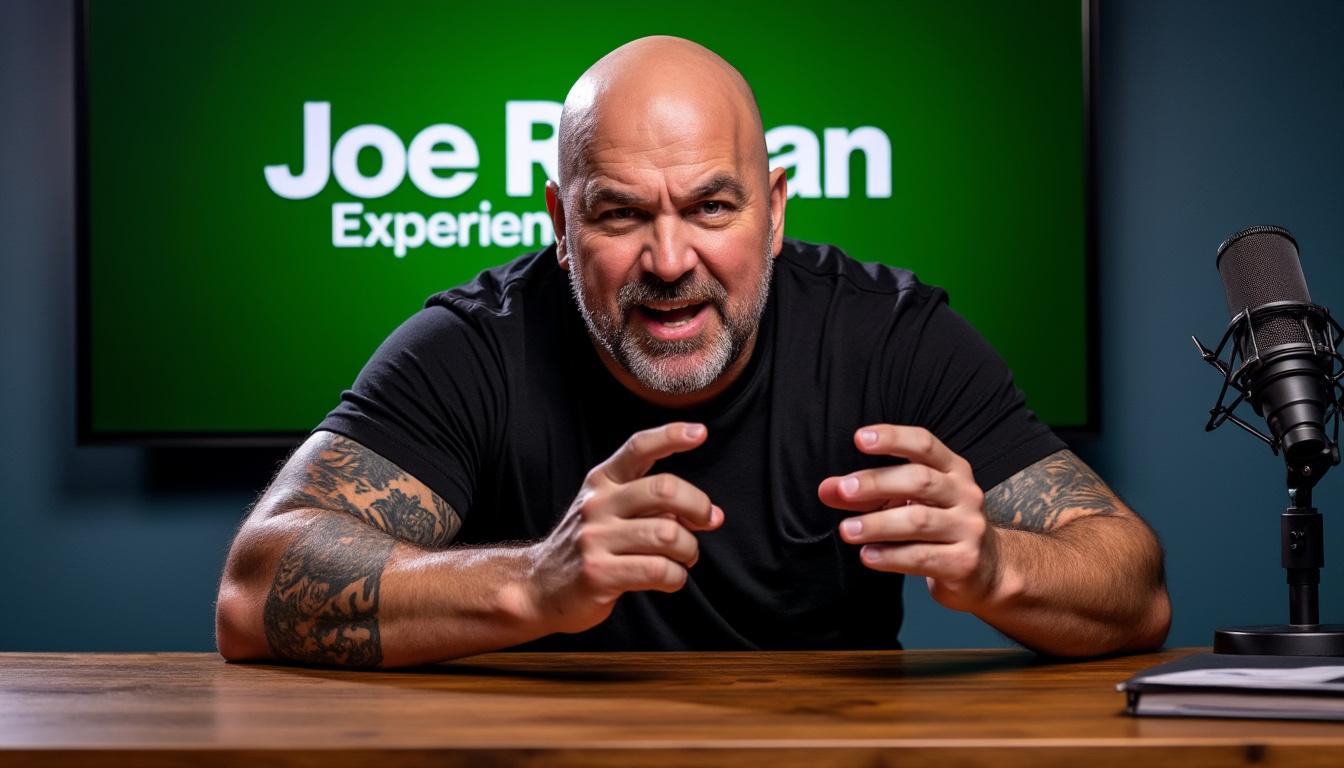
Rogan’s dissent stems from Trump’s comments made shortly after the news broke of Reiner’s tragic death. In a post on his Truth Social account, Trump remarked that Reiner was known for his “raging obsession” with the former president. The statement failed to acknowledge the tragedy of two lives lost and instead ventured into what many perceived as political opportunism. This reaction ignited outrage across social media, prompting a wave of condemnation not only from fans but also within celebrity circles.
Expressing his disbelief, Rogan stated, “There’s no justification for what he did that makes any sense in a compassionate society.” This sentiment resonates strongly, especially in times of loss when empathy is most required. The gravity of Reiner’s death, being investigated as a homicide, makes Trump’s comments feel particularly tone-deaf, to say the least. If one were to compare this situation to past incidents where public figures have made inappropriate remarks in similar contexts, the pattern of lack of sensitivity can be daunting.
The public reaction to this event has been overwhelmingly negative. Celebrities and fans alike have taken to platforms like Twitter and Instagram to express their disapproval. The disparity between public mourning and political commentary has sparked a conversation about the boundaries of acceptable public discourse surrounding tragedy and loss. Rogan’s stance not only highlights his commitment to empathy but also calls into question the often-politicized nature of comments surrounding unfortunate events.
The Impact of Social Media on Celebrity Comments
Social media has revolutionized the way public figures communicate, particularly during crises. Platforms like Twitter and Facebook allow celebrities and politicians to express thoughts instantly, but they also risk the danger of delivering insensitive remarks without the benefit of reflection. In the case of Trump’s post, the commentary fell flat, illustrating how impulse-driven statements can lead to significant backlash.
- Rapid dissemination of information: Social media enables comments and reactions to spread quickly, amplifying both supportive and critical messages.
- Lack of accountability: Many feel that social media shields figures like Trump from immediate accountability, allowing them to make controversial statements without repercussion.
- Public outrage: As demonstrated in this incident, an inappropriate comment can evoke immediate outrage, amplifying calls for thoughtful discourse.
Rogan’s response serves as a reminder that with great influence comes great responsibility. During his discussion, he noted the significant difference in public reactions if a left-leaning figure had made a similar remark. “Imagine if Obama tweeted something about someone after they died in this way,” he pondered, illustrating the double standards that often plague political commentary.
This incident also invites reflection on how comments can be perceived through various lenses depending on the speaker’s political affiliation. Are public expectations aligned with the person delivering the message, or does the surrounding context limit how certain comments are understood? The achingly human aspect of grief contrasts sharply with political commentary, and this juxtaposition leaves little room for error.
Reactions from the Entertainment Industry
Following Trump’s comments, the reaction from the entertainment industry was swift. Various celebrities voiced their disappointment and anger, echoing Rogan’s sentiments about the need for sensitivity in discussing matters of life and death. This united front of discontent illustrates the emotional weight that public figures carry when addressing sensitive topics.
Many were quick to defend Rob Reiner’s legacy, emphasizing his contributions to cinema, from directing iconic films like “When Harry Met Sally” to his outspoken political activism. The mode of remembrance has shifted towards celebrating his life, contrasting with the politicized narrative Trump attempted to weave.
Moreover, the incident raises critical questions about how society honors its creators, especially in their final moments. Should the focus be on the individual’s legacy, or is there room for political commentary even in the wake of tragedy? For many, Rogan’s comments illuminate a pathway towards a more empathetic approach to discussions surrounding public figures.
Public Discussion and Celebrity Feuds
The incident also serves as a microcosm of a broader cultural phenomenon characterized by celebrity feuds and public outrage. When public figures engage in this kind of commentary, it opens up discussions about the nature of celebrity culture itself. Individuals often find themselves entwined in debates about political commentary, ethical boundaries, and the consequences of careless speech.
Rogan’s reaction is just one example of how influential figures can shape public discourse. It may not be surprising that many individuals are swaying towards the idea that celebrities have a responsibility to convey respectful messages, especially during sensitive times. The ongoing discussions about the responsibility of public figures remind us of the complex interplay between fame, influence, and empathy.
As more celebrities join the conversation around sensitive topics, a collective understanding of the compassionate approach becomes imperative. Instances like this one encourage the public to hold celebrities and politicians accountable while also fostering a climate where sincere, thoughtful discussions can flourish.
The Role of Comedy in Sensitive Discussions
Comedy often serves as a vehicle for social commentary, and with the increasing scrutiny of public figures, the role of humor continues to evolve. This incident is a case study in how humor can miss the mark, especially when discussing topics like death and loss. During the podcast, Rogan and his guest Shane Gillis highlighted how humor surrounding these themes must be approached with caution.
When comedy intersects with tragedy, it risks alienating audiences. Rogan’s stance indicates a growing awareness of how humor can serve to either uplift or further the divide in society. “There are moments where humor can heal, and there are moments where it just feels wrong,” he aptly stated.
As comedy grows increasingly intertwined with political commentary, finding the balance between humor and sensitivity is paramount. The backlash from Trump’s comments serves as a reminder that comedic attempts can be overshadowed by genuine tragedy, leaving audiences longing for compassion over satire. The call for comedians and public figures alike to tread thoughtfully in these unpredictable waters becomes more pronounced.
This incident reiterates that while the public enjoys humor and levity, there are limits to acceptable discourse that must be respected. The sensitivity surrounding tragedy requires a collective effort to foster a culture where empathy reigns over provocation. From Rogan’s condemnation to the broader social media backlash, it becomes clear that the landscape of public commentary is evolving.