

Daisy Ridley Discusses the Unique Narrative of ‘We Bury the Dead’
In a world inundated with conventional horror tropes, Daisy Ridley stands out with her latest project, We Bury the Dead. This film, rooted in the zombie genre, presents a refreshing narrative that deviates from typical horrors. Set against the backdrop of post-catastrophe Tasmania, it explores loss, hope, and the complexity of human emotions through the eyes of Ava, Ridley’s character. The uniqueness of this story lies not just in its zombies but in its profound character development. It’s not merely about the undead returning; it’s a metaphor for unfinished business and the emotional weight of grief.
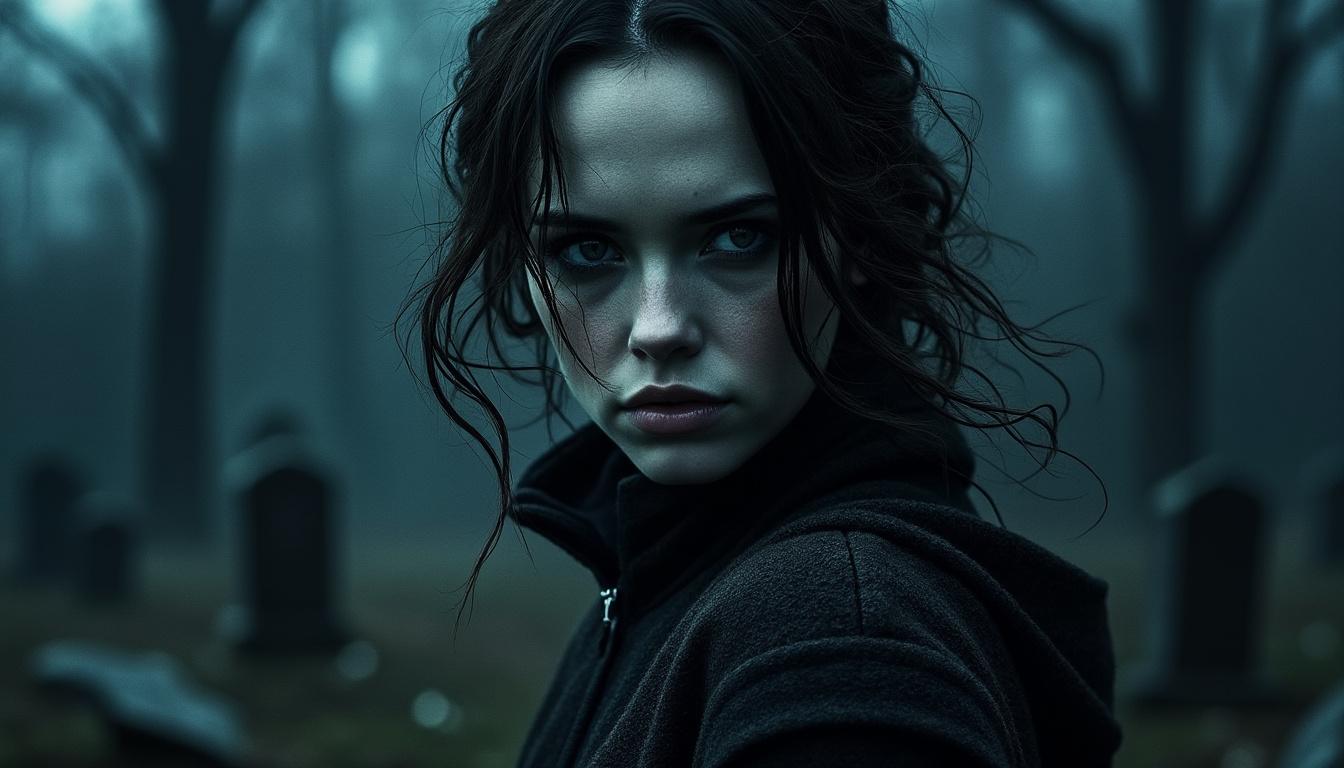
Understanding Character Dynamics in Zombie Tales
The character of Ava is a poignant portrayal that reflects both vulnerability and resilience. After a catastrophic American military experiment results in widespread devastation, Ava joins a body retrieval unit. Her journey in this unforgiving landscape embodies the essence of hope amidst despair. The film invites viewers to consider the depth of her quest—not just to retrieve bodies, but to reconnect with her missing husband. Ridley’s insights reveal how her character embodies a blend of grief and optimism, making her journey relatable.
Moreover, Ava’s interactions with other characters, especially the zombies, are essential to the storytelling. They are not merely antagonists but representations of unresolved issues from their past lives. Each zombie she encounters carries a story, suggesting that even in death, there is a narrative of loss and a longing for resolution. This thematic depth adds a layer of emotional intensity to the film.
The Art of Nonverbal Performance
In an era where dialogues often dominate performances, We Bury the Dead takes a different approach. Ridley emphasizes the importance of nonverbal scenes, where emotions are conveyed through gestures and expressions rather than words. The haunting visual of a zombie standing still in the dark encapsulates this mood. These moments require an actor to delve deep into the character’s psyche, which Ridley expertly navigates.
She articulates that these nonverbal performances possess an undeniable potency that resonates with viewers, often leaving them in suspense or contemplation. For instance, when Ava first encounters a reanimated corpse, there’s a palpable tension that heightens the sense of curiosity. This fusion of curiosity and dread offers a unique perspective: the zombies are seen not only as threats but also as reminders of unfinished stories that need to be told.
Exploring Themes of Hope and Grief
The thematic backdrop of We Bury the Dead serves as a significant commentary on the human experience. The film cleverly weaves narratives of hope amid the horror of loss. Ridley elaborates on this duality, indicating that despite the surrounding chaos, Ava remains driven by the hope of reuniting with her husband. This hope propels her forward, marking her as a character of depth and emotional complexity.
The zombies represent various facets of grief—each one is a reflection of what needs to be acknowledged and reconciled. This innovative storytelling technique invites audiences to engage with the material on a deeper level, prompting introspection about their own relationships and unresolved issues. The idea that hope persistently emerges from despair is not just poignant; it resonates universally.
Crafting the Zombie Tale
Creating a film in the zombie genre presents unique challenges, particularly when one seeks to avoid cliches. Ridley discusses how the collaborative efforts of the director and the writing team came together to elevate the narrative. The portrayal of zombies in this film— as entities caught between worlds—adds to its allure. They are portrayed not as cold and soulless creatures, but as beings with lingering emotions, further enhancing the film’s depth.
This thoughtful crafting is crucial in providing a fresh take on a well-trodden genre. Rather than relying solely on jump scares or gore, the film’s focus on emotional resonance adds layers to its storytelling. It raises questions: What remains of us once we are gone? How does one navigate unresolved feelings when faced with the finality of death? The filmmakers successfully tackle these questions through Ava’s journey as she explores the emotional landscape painted by her encounters.
We Bury the Dead ultimately reframes the zombie narrative, allowing viewers to explore the intersections of life, death, and the lingering threads that bind us to those we have lost. It’s an exploration of humanity cloaked in horror.
The Creative Process Behind ‘We Bury the Dead’
The film’s crafting extends beyond basic storytelling; it embraces the raw essence of human emotion and the complexities that arise from it. Insights from Ridley reveal the importance of the script in shaping the narrative. A strong script serves as the backbone of any film, especially in a genre that often leans heavily on special effects and horror tropes.
Ridley expresses gratitude for the diversity in the projects that have come her way, allowing her to explore different genres and themes. This exploration has enriched her approach to acting, enabling her to give depth to her portrayal of Ava. Every nuance of her performance is driven by a desire to represent the multifaceted nature of hope and grief.
Filming Challenges and Innovations
The production phase presented its own challenges, particularly in balancing cinematic horror with emotional authenticity. Ridley recounts the physical and emotional demands of the role, which involved immersing herself in Ava’s psyche. The filming locations, depicting the ravaged Tasmanian landscape, contribute to the film’s overall ambiance, adding a layer of visual storytelling that complements the narrative.
The practical effects used in bringing the zombies to life were tailored to enhance realism, ensuring that each encounter was impactful. This innovative approach to the horror story allows for a richer viewer experience that invites engagement beyond mere viewing. The commitment to authenticity reverberates throughout the film, making every interaction feel genuine and relatable.
Insights into the Future of Zombie Narratives
As Daisy Ridley navigates the world of genre films, her insights emerge as guiding principles for future endeavors in horror storytelling. We Bury the Dead serves as a pivotal reference point for creating deeper narratives within the zombie genre. By prioritizing character-driven arcs and emotional depth, filmmakers can explore themes that resonate more profoundly with audiences.
The evolution of horror stories, particularly those involving zombies, should shift focus from mere fright to exploring the complexities of human existence. This shift not only promotes engagement but also encourages viewers to reflect on their vulnerabilities and hopes. Within this new framework, audiences will be encouraged to embrace the emotional truths that lie at the heart of every compelling narrative.
In conclusion, Ridley’s performance as Ava in We Bury the Dead offers a poignant reflection of the themes of hope and grief. She underscores the importance of storytelling that transcends the conventional boundaries typically associated with horror films, inviting audiences to engage on a deeper emotional level.
| Key Themes | Description |
|---|---|
| Hope | A fundamental driving force for Ava, representing her longing for connection. |
| Grief | Illustrated through the zombies, reflecting unresolved feelings and attachment. |
| Identity | The exploration of who we are in life and death, blurred by relationships. |
| Human Connection | The film emphasizes the importance of emotional ties, even after death. |