

Late-Night Comedian Conan O’Brien Speaks Out on Political Humor
In an era where political satire dominates late-night television, Conan O’Brien stands out with his candid advice for fellow comedians navigating the tumultuous waters of Donald Trump humor. In a recent interview with the Oxford Union, O’Brien articulated his concerns, suggesting that humor should not devolve into mere anger or aggression. This perspective challenges the pervasive tendency among comedians to use Trump as a punching bag, urging them instead to consider the deeper implications of their jokes.
O’Brien argued that the current political landscape resembles “a bendy, rubbery line” rather than a traditional path of comedy. His observations reflect the chaotic nature of the Trump presidency, likening it to “a fire hose that’s whipping around spewing water at 100 miles an hour.” This chaotic climate complicates the job of comedians, who often rely on a stable foundation for their punchlines.
Many different late-night hosts, such as Jimmy Kimmel and Stephen Colbert, have taken a strong stance against Trump, using satire as their weapon of choice. However, O’Brien cautions against excessive hostility. He states that while it may feel satisfying to constantly berate the former president, this approach can lead comedians to lose their unique edge: humor itself. By resorting to anger and repetitive insults, they effectively trade in their most powerful instrument for hollow outrage.
O’Brien’s insights are particularly relevant in the context of 2026, where the focus on political comedy has intensified. He noted that using comedy as a form of protest or critique is only effective when it retains its ability to make people laugh, rather than merely rousing them to anger. In this light, he believes that the commitment to authentic humor ultimately serves as a more potent tool against power than merely shouting expletives.
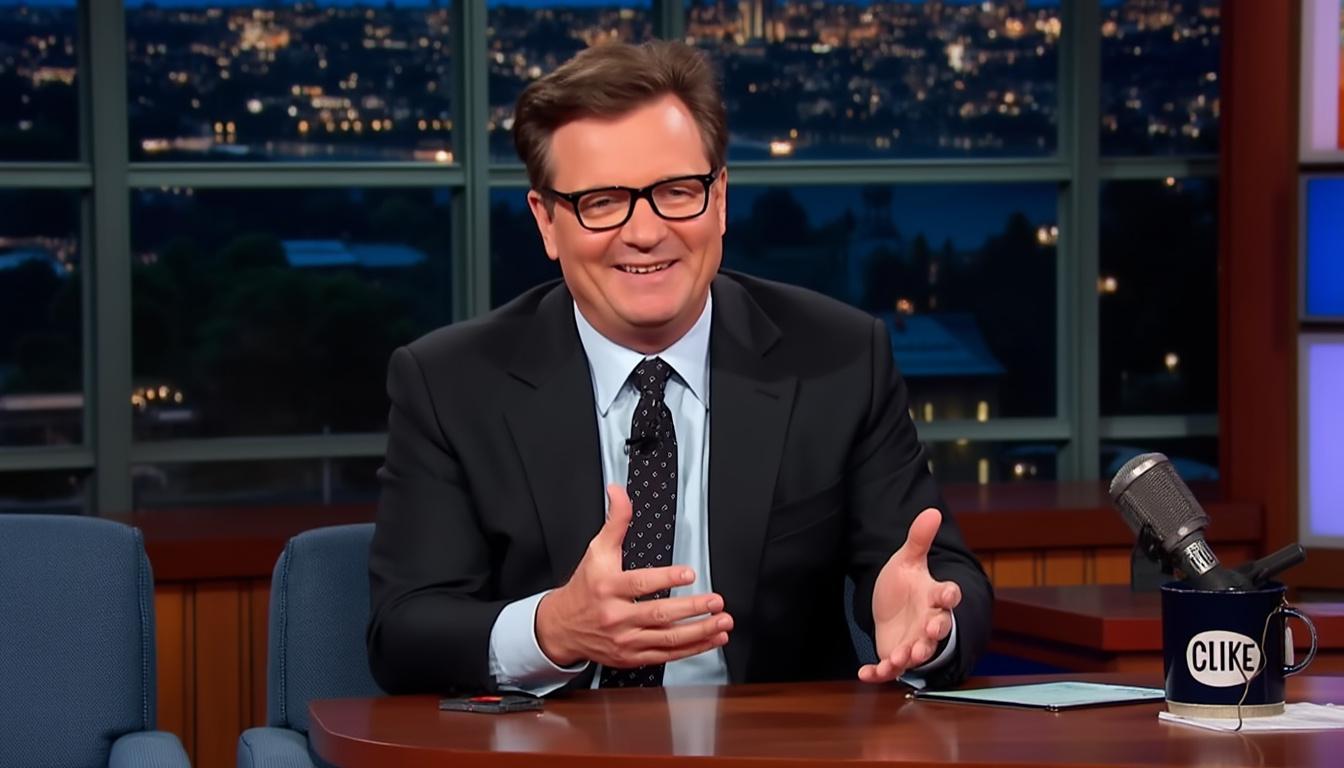
The Fine Line of Comedy: Balancing Humor and Critique
The challenge of balancing humor and critique in political comedy has never been more pronounced. Comedians face a tricky dilemma: how to remain funny while addressing serious issues. For instance, some segments on shows like The Late Show or Jimmy Kimmel Live! focus extensively on Trump’s missteps, but are they truly resonating with audiences, or are they merely eliciting predictable responses?
In this debate, the effectiveness of political humor hinges on its ability to connect with audiences emotionally. To illustrate, consider how comedian John Oliver approaches political commentary on his show Last Week Tonight. He often combines deep research with humor, offering viewers not just laughs but a comprehensive understanding of the issues at hand. This method, unlike sheer anger, invites viewers to laugh while also reflecting critically on the topics discussed.
- Substance Over Shock: Comedians like Oliver and Colbert focus on informative satire rather than impulsive reactions.
- Emotional Connection: Effective comedy not only entertains but also resonates deeply, creating a shared collective experience.
- Engagement Through Humor: Comedians who articulate their frustrations in a humorous way often build a stronger rapport with audiences.
This raises questions about the overall impact of current comedic styles on social discourse. Can comedians who continually lean into fury foster a culture of outrage, or will their humor spark meaningful conversations? The answer lies in their ability to craft jokes that do more than just criticize—jokes that can actually inspire change or induce thought.
As comedians like Ben Stiller have pointed out, tackling serious issues through humor doesn’t require a monotonous delivery filled with anger. Instead, it should embrace creativity and sharp wit. The agility to pivot from serious topics while maintaining comedic relevance is where true skill lies.
Navigating the Landscape of Late-Night TV Comedy
Late-night TV has undergone a profound transformation in recent years, and this evolution has significant implications for how comedians approach political satire. With the rise of streaming services and the decline of traditional formats, late-night shows are vying for both relevance and viewership. This shift challenges comedians to adapt their content continuously while retaining their unique voices in the process.
Unlike the static environment of past decades, the contemporary landscape requires hosts to engage with audiences more dynamically. As the famed host Jay Leno has noted, the balance of humor is critical. During his career on The Tonight Show, he had to cater to diverse political opinions, a skill that seems increasingly rare in the current climate. Leno’s approach centered on entertaining a broad audience rather than alienating half of it due to partisan humor.
In contrast, today’s comedians often risk embracing polarization in an attempt to remain relevant. Late-night giants like Stephen Colbert and Jimmy Kimmel have built their brands on strongly anti-Trump material, which encourages a certain demographic to tune in regularly. However, such approaches also raise concerns about their alienation of other viewers who might appreciate a more balanced perspective.
| Comedian | Style | Impact on Viewership |
|---|---|---|
| Conan O’Brien | Subtle Humor | Appeals to a broad audience |
| Stephen Colbert | Political Satire | Strong anti-Trump following |
| Jimmy Kimmel | Edginess | Polarizing yet popular |
The crux of the debate centers on whether comedic value is sacrificed for social commentary. As the dynamics of late-night television continue to shift, the need for innovative approaches becomes critical in maintaining viewership while provoking thoughtful discussions. The capacity to create comedic content that encourages laughter without solely focusing on negativity is a challenge that remains to be fully realized.
Stand-Up Comedy: A Different Perspective on Trump Humor
Stand-up comedy offers a unique lens through which to evaluate political humor, particularly in relation to Donald Trump. The format allows performers to experiment with narratives that resonate more personally with audiences, often providing a contrasted experience compared to the polished routines of late-night shows. Many comedians have utilized their stand-up acts to explore the absurdity of Trump’s presidency, bringing a more intimate form of relatability to political humor.
Comedians such as Sarah Silverman and Hasan Minhaj often employ anecdotes and personal experiences to connect with their audiences, creating a space for laughter that feels organic and engaging. Their styles serve as powerful examples of how humor can thrive even when discussing contentious issues. By weaving personal narratives into their routines, these comedians can engage in thoughtful critique without losing the laughter.
The adaptability of stand-up also allows performers to respond to current events in real time, a luxury that late-night television cannot always afford. This immediacy can result in hilarity from spontaneous audience reactions, which creates an unpredictable and thrilling dynamism on stage. The raw authenticity of stand-up might serve as a reminder of what comedy ultimately seeks to achieve: connection, laughter, and understanding.
With the continued political chaos prevalent in 2026, the landscape of stand-up comedy remains as relevant as ever. As comedians navigate this overwhelming environment, their ability to transform anger into relatable humor forms a crucial aspect of their work. By doing so, they can remind audiences that joy can be found even in the darkest of times while fostering a culture of engagement rather than outrage.
Shifting Norms: The Future of Political Comedy
The essence of political comedy has evolved alongside the political climate, presenting unique challenges and opportunities for comedians. As audiences grow increasingly wary of hostility, the ability to connect through humor will become essential. Pioneers of late-night television have established significant groundwork, but as O’Brien suggests, a more nuanced approach may be key in navigating the political landscape ahead.
Comedians need to innovate, forging paths that allow for laughter while embracing the complexities of modern society. As they transition from simply critiquing to crafting stories that resonate, the future of political comedy may redefine itself. Rather than being mere antagonists, late-night stars will likely evolve into storytellers who convey experiences that illuminate the absurdity of the times.
The possibility of building authentic hilarity through creativity and reflection may just be what the comedy landscape needs as it moves forward. By prioritizing genuine connection over simple anger, comedians can explore the depths of humor while inviting their audiences to join them on that journey.
Thus, the advice from such influential figures as Conan O’Brien serves as a clarion call for comedians in 2026 and beyond. With humor as an ally, they can daringly take on power and societal issues while illuminating the path to laughter and solidarity.