
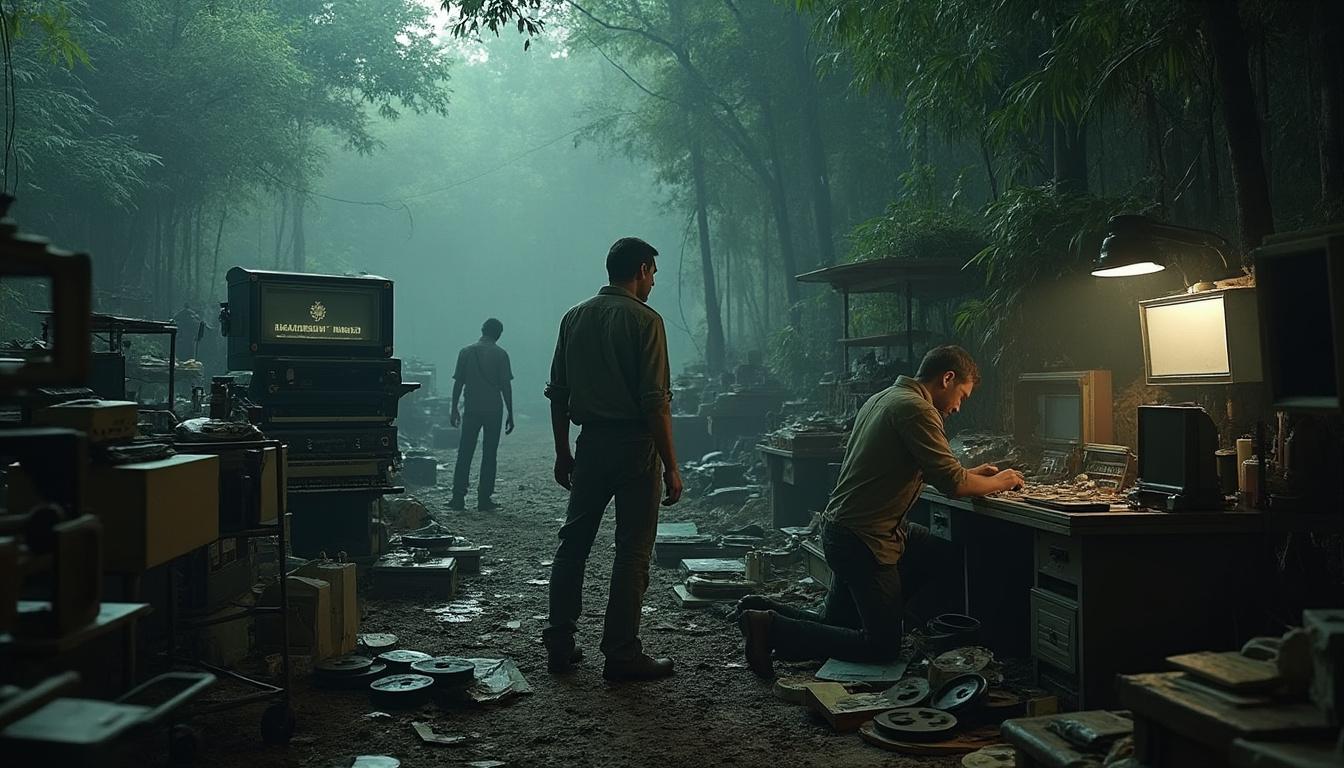
Hearts of Darkness: A Filmmaker’s Odyssey in 4K
The release of Hearts of Darkness in 4K Ultra HD offers a fresh opportunity for both cinephiles and casual viewers to explore the chaotic behind-the-scenes journey of Apocalypse Now. This documentary, helmed by Fax Bahr and George Hickenlooper and masterfully captured by Eleanor Coppola, delves deep into the tumultuous production that marked a turning point in cinematic history. It provides a haunting yet fascinating narrative of ambition, strife, and the often surreal obstacles that arose during the film’s creation.
What makes this 4K release particularly noteworthy is the transformation of the documentary’s visual fidelity. Presented now with HDR and Dolby Vision support, viewers can witness the raw, unfiltered essence of the film production as never before. However, it is not just about the visuals; the audio aspect has also undergone a significant upgrade, featuring a DTS-HD Master Audio 5.1 audio track that immerses the viewer into the dense atmosphere of the Vietnam War backdrop and the inner turmoil of the filmmakers.
The Turbulent Production of Apocalypse Now
The filming of Apocalypse Now was defined by a series of complications. From extreme weather conditions to health crises among the cast, Hearts of Darkness presents an unvarnished view of the filmmaking process where chaos was not merely an occurrence, but almost a character in its own right. The documentary showcases how unexpected challenges pushed director Francis Ford Coppola to his limits, often compromising his mental health and professional reputation.
One notable anecdote illustrates this pressure: Coppola famously remarked, “We were in the jungle; there were too many of us, we had access to too much money, too much equipment, and little by little, we went insane.” This sentiment encapsulates not just the physical environment of the shoot, but also the psychological strain on everyone involved. It is a prime example of how the documentary captures the essence of both the film’s production and the emotional landscape of its creator.
The Portrayal of Art Versus Reality
The stark contrast between the ambitions of cinema and the reality of its creation unfolds throughout Hearts of Darkness. The documentary not only chronicles the narrative of Apocalypse Now but also serves as a larger commentary on the nature of art. It raises questions about the toll that artistic expression can take on those who pursue it, ultimately serving as a cautionary tale about the dangers of artistic obsession.
The film dives into various interpretations of the Vietnam War, showcasing how Coppola’s vision was shaped by historical and political contexts. The blending of real events with creative storytelling adds layers to the narrative. As the documentary progresses, it reveals how War is represented not only as a literal battlefield but as a mental and emotional war within the filmmakers themselves.
Exploring Filmmaking as a Collaborative Process
One of the most compelling aspects of Hearts of Darkness is its exploration of the collaboration that characterizes filmmaking. The experiences of the cast, crew, and Coppola himself indicate that filmmaking is a communal effort fraught with interpersonal dynamics. Fractured relationships, creative conflicts, and varied artistic visions are illuminated throughout the documentary, revealing how they impact not only the film’s production but also its final output.
The representation of these interpersonal struggles adds depth to the narrative. For instance, the documentary spotlights moments of tension among crew members, including the famous actor Marlon Brando, whose late addition to the filming process further aggravated an already tumultuous environment. These dynamics serve to underline the precarious balance between collaboration and individual artistic expression, making Hearts of Darkness a multifaceted look at filmmaking.
Critical Reception and Legacy
Upon its original release, Hearts of Darkness drew significant attention not only because of its subject matter but also due to its innovative storytelling style. Critics and audiences alike praised its unflinching portrayal of the darker aspects of the creative process. The documentary’s ability to resonate with audiences drawn to the mythos surrounding Apocalypse Now solidified its place in cinematic history.
In the years since, it has garnered a reputation as a benchmark for behind-the-scenes documentaries. Whether for its candid insights into the filmmaking process or its compelling narrative structure, Hearts of Darkness has influenced countless filmmakers and documentaries that followed. Its intentional focus on the human element in filmmaking distinguishes it as a vital study piece for anyone interested in the intricacies of producing a film.
4K Restoration: What’s New?
As with many classic films undergoing restoration, the 4K release of Hearts of Darkness adds a new level of clarity and depth to the viewing experience. The enhancement caters to audiences familiar with the dense emotional landscape of the documentary while inviting new viewers into its compelling world. Yet, one can’t overlook the shortcomings of this release—most notably, the limited bonus features. The inclusion of just one new feature, “The Making of Hearts of Darkness,” does add value, but the absence of a commentary track is felt. Previous releases had included insightful dialogue from Eleanor and Francis Coppola that could have further enriched the viewing experience.
| Aspect | Description |
|---|---|
| Visual Enhancement | HDR and Dolby Vision support significantly improve picture quality. |
| Audio Quality | Features DTS-HD Master Audio 5.1, providing an immersive sound experience. |
| Bonus Features | Includes “The Making of Hearts of Darkness,” but lacks a comprehensive commentary track. |
A Must-Experience for Film Lovers
The Hearts of Darkness 4K release stands as a testament not just to the chaos surrounding the creation of a cinematic masterpiece like Apocalypse Now, but also as a critical exploration of the artistic journey. It serves as an essential viewing for anyone who has ever been fascinated by the process of filmmaking, creativity, and the sacrifices involved.
Though notable for its visual and audio upgrades, the absence of comprehensive bonus features does leave room for improvement. Nonetheless, this documentary will undoubtedly resonate with viewers, urging them to reflect on the enduring complexities that exist at the intersection of art and humanity. The insights gained from this exploration allow those who watch it to better appreciate the craft of filmmaking.