
The Intersection of AI and Celebrity: A New Frontier
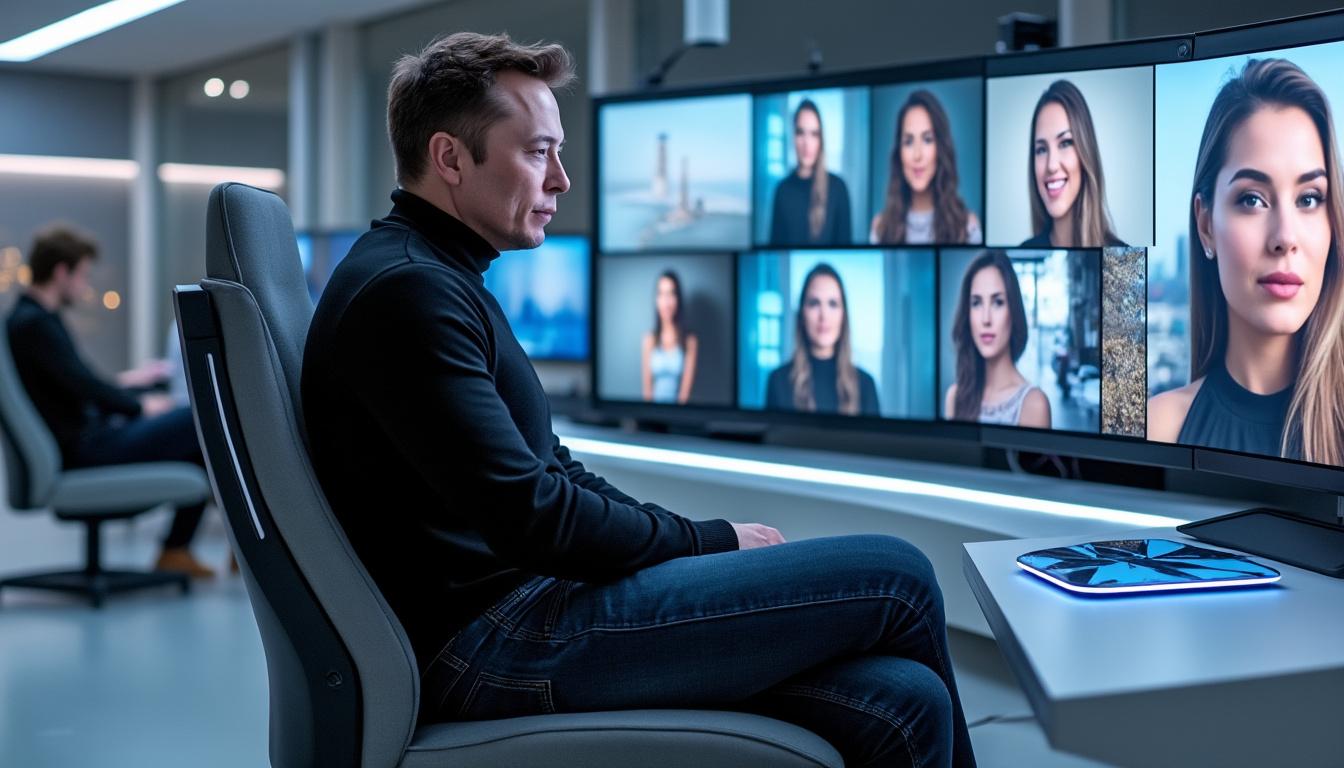
The digital landscape is evolving at a rapid pace, particularly in the realm of artificial intelligence. The recent unveiling of an AI-generated video featuring actress Sydney Sweeney serves as a clarion call to the entertainment world. Elon Musk, known for pushing technological boundaries, leveraged this moment to showcase the advancements of xAI’s Grok Imagine tool. This incident not only highlights Musk’s innovation but also prompts discussions about the implications of using celebrity likenesses in AI-generated content.
With the integration of AI technology, the process of content creation in Hollywood is shifting dramatically. The video Musk shared portrays a lifelike version of Sweeney in a fictional spacecraft, engaged in dialogue infused with humor. Comments made by Sweeney’s character draw attention not only to the technological marvel but also to the ethical queries surrounding deepfakes and digital representations of known personalities.
The rapid advancement of AI systems has raised the question: What does it mean for artists when their likenesses can be created and manipulated without consent? This nuance is particularly relevant given the backlash Musk received for earlier comments about Sweeney’s appearance, which many deemed inappropriate. How will this affect public perception of digital media and the stars they adore? As technology continues to evolve, society must assess its relationship with celebrity images and the potential pitfalls of technological exploitation.
The Social Media Reaction to Musk’s AI Video
Musk’s sharing of the AI-generated video on social media platforms, particularly X (formerly Twitter), has ignited a firestorm of reactions. Users flooded the platform with mixed feelings about the authenticity and ethical implications of the creation. While some praised the innovation and creativity, others expressed unease regarding the potential for misuse of celebrity images, particularly in a digital world rife with deepfake content.
A prominent concern revolves around how easily such technology could be weaponized for misinformation. Social media, often viewed as a double-edged sword, amplifies both creativity and deception. The question of authenticity looms over the collective consciousness: “How do we discern what is real from what is fabricated?” This dichotomy presents a unique set of challenges for users navigating this new landscape.
Furthermore, the generative nature of AI technology means that someone with a modest understanding of it can create lifelike representations of anyone — celebrities included. Instances like Musk’s AI video illustrate just how advanced these technologies have become. Yet, the onus remains on the creators and platforms to uphold ethical standards. Can trust in digital media survive amid the rising tide of artificial intelligence?
The Ethical Dimensions of AI in Media
The ethical dimensions of AI-generated content are as intricate as they are pressing. The debate surrounding the use of celebrity likenesses raises crucial questions: Should creators have the right to create AI representations without seeking consent? What safeguards should be put in place to prevent potential exploitation of such technologies?
Musk’s earlier remarks about Sydney Sweeney raised a considerable uproar, demonstrating that the line between admiration and objectification can be perilously thin. Comments about Sweeney’s appearance were seen by many as invasive, mirroring broader issues related to how women are often portrayed in public discourse. When these comments are coupled with the potential for AI-generated content, they complicate the conversation significantly. There’s an urgency to set clear boundaries and establish a framework for the ethical use of AI technologies in Hollywood and beyond.
This situation places both creators and consumers in a complex position. The creators must be conscientious about how they use and portray the likenesses of real individuals, while consumers are called to be critical of what they consume. Not only should they question the authenticity of AI-generated media, but also the motivations behind its creation.
| Actor | AI Representation | Public Reaction |
|---|---|---|
| Sydney Sweeney | AI-generated video in spaceship | Mixed; concern over ethics and authenticity |
| Scarlett Johansson | Past deepfake controversies | Mixed; concern over misuse |
| Robert Downey Jr. | CGI aging in films | Positive; revival of classic roles |
Navigating the Realm of Artificial Intelligence and Celebrities
As AI technology continues to develop, those in the entertainment sector must start navigating this complex terrain mindfully. The medium-altering potential of AI allows for exciting creative opportunities, but it also poses significant ethical dilemmas. The recent events involving Musk and Sweeney serve as a microcosm of that complexity, illuminating the need for responsible implementation of such technologies.
Ensuring the protections of individuals’ images is crucial, especially in a landscape where digital likenesses have become increasingly popular. Musicians, actors, and public figures have emerged as focal points in these discussions, underscoring the importance of respecting their autonomy in how their images are utilized.
Future Implications for AI-generated Content in Entertainment
The entertainment landscape is poised for profound transformations as the lines blur between reality and artificiality. Musk’s foray into AI-generated content signposts not just advancements but foreshadows a blending of the digital and physical worlds. As creators adapt, the cultural implications demand reflection on society’s relationship with authenticity.
Imagine a future where audiences might struggle to discern whether a video was shot in real-life scenarios or artificially created. This prospect brings forth both excitement and trepidation. Digital ethics, once an abstract concept, has become critical for all stakeholders. Therefore, how artistic integrity and personal authenticity can be maintained in this shifting terrain remains a matter of debate.
The aspect of accountability also plays a vital role in this dialogue. Creators must take responsibility for their work while audiences must remain vigilant about the content they engage with. Ultimately, the trajectory of AI-generated media will hinge on collective compliance with ethical standards that prioritize respect for individuals’ likenesses.
Celebrity Accountability and Audience Awareness
The landscape of digital media is undeniably impacted by the advent of AI-generated content. As this technology continues to manifest, it demands a level of accountability from celebrities and creators alike. Musicians and actors wield significant influence and have a responsibility to consider the implications of their digital presence.
Furthermore, audiences must engage critically with what they consume. The recent stir around Musk’s comments on Sweeney and the subsequent AI video reinforces the importance of understanding the media one interacts with. A discerning approach can help to combat the spread of misinformation and foster a more ethical digital environment.
Ultimately, building a sustainable future for AI in entertainment will require vigilance, collaboration, and a commitment to digital ethics. It is essential that all parties involved – from tech creators to celebrities and consumers – work together to establish a framework that respects individuality while embracing innovation.