
Fighting Force Collection: A Glimpse into Nostalgia
The revival of classic games often sparks a unique blend of excitement and skepticism. The Fighting Force Collection serves as a testament to this dichotomy, bringing back two beloved titles from the retro gaming era—Fighting Force (1997) and Fighting Force 2 (1999). Developed by Core Design, renowned for the iconic Tomb Raider franchise, these titles provide a nostalgic journey for gamers who grew up during the arcades’ golden age. With the gaming landscape evolving drastically over the decades, the question arises: do these classic beat ’em ups hold up in the modern gaming environment of 2026?
Both titles in the collection were initially released on PlayStation 1, with Fighting Force being a notable attempt to transition the beat ’em up genre into 3D. Players take control of characters endowed with unique abilities, battling enemies through diverse locations. This collection represents an opportunity for younger audiences to experience a slice of gaming history, while seasoned gamers can relive the excitement of their youth.
Nevertheless, the initial reception of these games was mixed. Critics noted that the first Fighting Force did not introduce significant innovations to the genre, a critique that seems to have aged into a kind of charm for many players today. After all, sometimes simplicity can make for a more engaging experience, particularly in the frenetic pace of action titles. With this new release, players can expect everything from cooperative gameplay to enjoyable nostalgia.
The Basics of Fighting Force
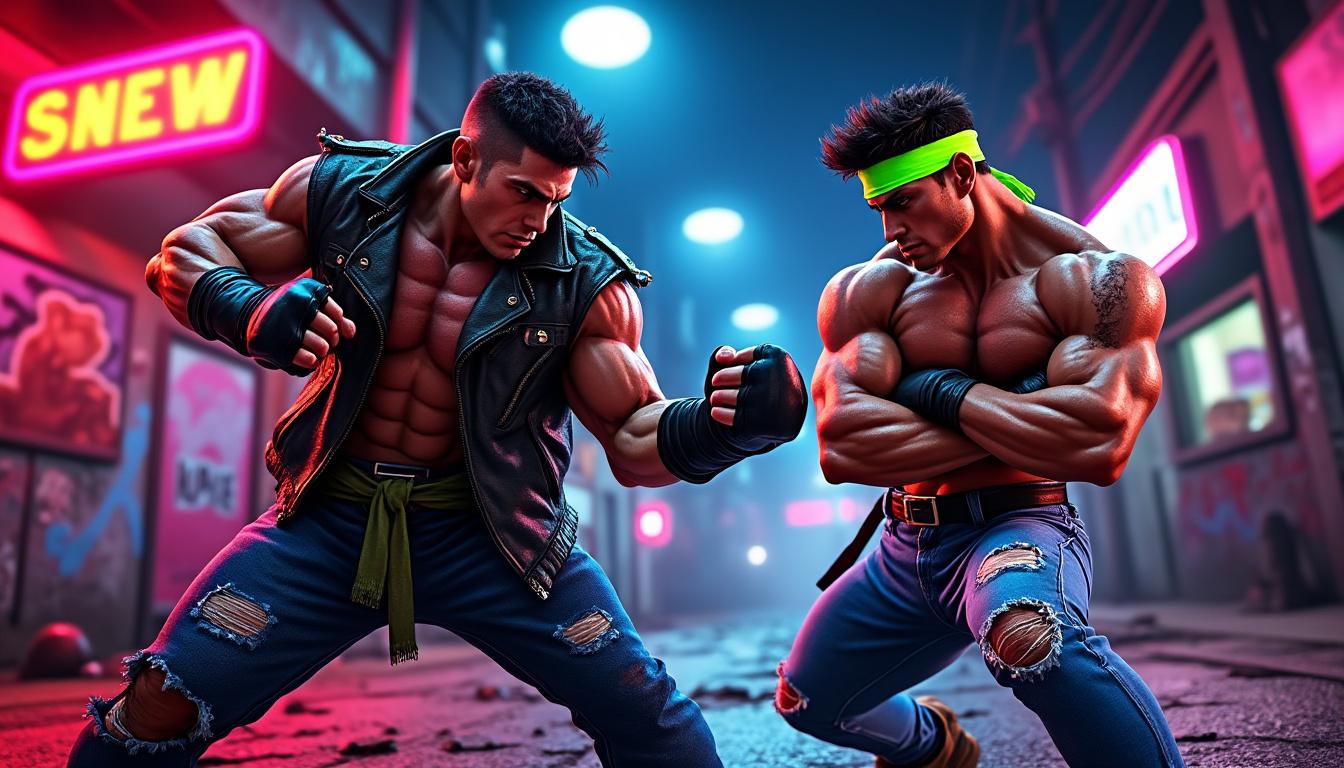
Fighting Force invites players to choose among four diverse characters, each delivering distinct combat styles. While the game doesn’t delve too deeply into intricate storytelling, it wraps a straightforward premise around a thrilling gameplay loop. Set against the backdrop of Y2K, the narrative centers on thwarting a criminal mastermind bent on world domination. The charm lies in the uncomplicated nature of the gameplay. It encourages repeated playthroughs, particularly with a friend in multiplayer mode.
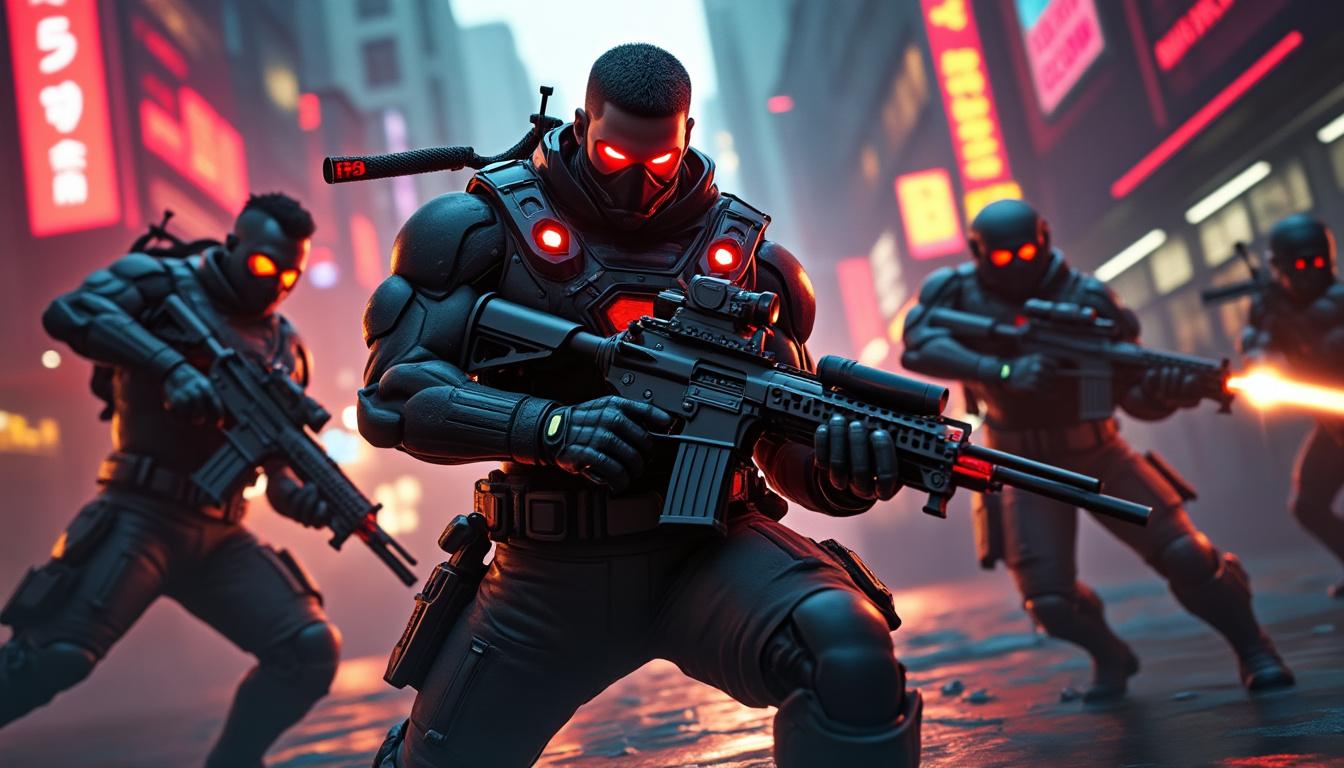
Players will wield various weapons, from knives to firearms, creating an engaging combat environment as they navigate through challenging levels. The overall experience remains accessible; accomplished in about four hours, it offers a compact yet satisfying adventure for those seeking quick, action-packed sessions. For many, this will undoubtedly stir fond memories of a time when gaming was primarily about the thrill of beatdowns and pixelated chaos.
Exploring Fighting Force 2: The Sequel’s Evolution
In contrast to its predecessor, Fighting Force 2 shifts the focus towards a solo experience, with only one returning character, Hawk Manson. The sequel leans into action-adventure mechanics reminiscent of the earlier Tomb Raider aesthetics. Here, players must navigate longer levels and solve basic puzzles such as finding key cards to advance. This design shift, while expanding gameplay elements, can occasionally feel bloated, as the developers attempted to add layers that might not fit seamlessly with the original format.
Lasting about seven hours, Fighting Force 2 does offer a more extensive experience, albeit with an accompanying complexity that some may find cumbersome. Despite the additional weapon variety and the ambition to innovate, it lacks some of the charm that made the first game a beloved classic. Nevertheless, seeing the evolution from a simple beat ’em up to a more intricate adventure game is noteworthy and adds context to the franchise’s legacy.
Gameplay Mechanics: A Comparison
One of the most interesting aspects of the Fighting Force Collection is the comparison between the gameplay mechanics of the two titles. The second game improves steadiness in combat but retains some frustrations, such as assigning multiple functions to a single button. While the core functionality remains similar, toggling between the two titles requires a bit of adjustment time, as players reacquaint themselves with control modulations.
However, fans of the original will still find the game’s simplicity a refreshing escape in an era where many titles overcomplicate mechanics. The quirkiness of the 3D environment, with its destructible components, creates engaging scenarios where players can unleash chaos upon their foes. This caters to a communal spirit, especially in the co-op mode introduced in Fighting Force. Players can enjoy the camaraderie that emerges from working together to take down waves of enemies.
Quality of Life Improvements in the Collection
Given that core design aimed to offer an authentic nostalgic experience, the Fighting Force Collection does incorporate several quality-of-life improvements to make the gameplay smoother for modern audiences. Players can utilize a rewind feature that allows them to recover from unfortunate deaths or faulty jumps—this is particularly handy in Fighting Force 2, where fall damage can frustrate attempts to navigate tricky terrain. Furthermore, quick-save capabilities mean players can halt their sessions effectively, something that was quite limited in the original titles.
Additionally, the visual enhancements included in the collection cannot be overlooked. The ability to apply CRT filters and experiment with upscaling options creates an authentic retro look for modern displays. Art galleries showcasing concept artwork and promotional designs add extra layers of appreciation for players diving deep into the franchise’s history. A sense of community forms as players share their memories and experiences, making this collection not just a nostalgia trip but a platform for continued engagement.
The Cultural Impact of Fighting Force
The Fighting Force Collection represents more than mere gameplay; it signifies an era in video gaming that deserves recognition. More than two decades later, the re-release of these classics highlights their influence on contemporary combat games. The simplistic mechanics of the original Fighting Force can be seen echoed in a variety of modern games that prioritize straightforward, enjoyable gameplay over overly complex systems.
Both past and present gaming communities find the revival of titles like this inspirational. They remind players that gaming is not solely about achieving high-end graphics but rather about sharable experiences and collective journeys. As the console landscape continues to evolve, remembering the roots of action gaming fosters appreciation of how far the medium has come.
A Final Look at the Fighting Force Experience
Engaging with the Fighting Force Collection prompts reflection on how far gaming has progressed, yet how nostalgia remains a powerful draw. While neither of the games stand as titans within the beat ’em up genre, foundational experiences such as these can offer players a slice of gaming history. Revisiting these games shines a light on the charm, chaos, and camaraderie inherent in cooperative gameplay.
Ultimately, the collection embodies the spirit of retro gaming and provides an opportunity to appreciate the amalgamation of storytelling and gameplay. The blend of nostalgia and slight modern tweaks makes this collection a worthy investment for both old fans and newcomers alike. For those looking to catch up with gaming’s history or simply wanting to indulge in an evening of classic beat ’em ups, this collection promises satisfaction.
| Game Title | Release Year | Gameplay Duration | Key Features |
|---|---|---|---|
| Fighting Force | 1997 | 4 hours | Co-op mode, varied characters, simple mechanics |
| Fighting Force 2 | 1999 | 7 hours | Single-player, weapon variety, puzzle-solving elements |