

The Fallout Season 2 Experience: Behind the Scenes with Walton Goggins
The world of Fallout Season 2 has captivated audiences not just for its story, but also for the intense emotional depth displayed by its cast. One standout moment came in Episode 5, titled “The Wrangler,” where the character Cooper Howard, also known as The Ghoul, is faced with a significant moral dilemma. Walton Goggins, who portrays The Ghoul, has shared insights into what made this particular scene one of the most difficult to shoot.
This challenging scene revolves around The Ghoul’s betrayal of Lucy, played by Ella Purnell. For Goggins, this moment was an exploration of complexity in human emotions, even within a character deeply entrenched in a post-apocalyptic scenario. He expressed in an interview with Comic Book Resources that performing this scene took a toll on him. “The betrayal of Lucy, and to find that out, in my own mind, was easy to do, but very hard because it goes against [the Ghoul’s] will,” Goggins reflected.
Why Was This Scene Emotionally Challenging? The layers of complexity in Goggins’ portrayal are underlined by the internal struggle The Ghoul faces. At this juncture in the series, Goggins’ character begins to rediscover aspects of his humanity. The emotional weight of realizing he must betray someone he has grown close to—Lucy—adds a level of intensity that is difficult to tap into, especially in a high-octane environment typical of ~Fallout~. Goggins characterized this conflict as a reminder of The Ghoul’s past life, emphasizing the notion that he is more than just a soulless creature; he is a man with a history.
Behind the Scenes: The Creative Process The production of this scene involved more than just the script. Goggins and Purnell worked closely with the showrunners to ensure they captured the essence of this emotional conflict accurately. With so much at stake—families, identities, and survival—their collaboration emerged as a pivotal element in creating a dynamic and riveting outcome for viewers. When asked about the collaboration, Purnell mentioned that Goggins brought depth to their scenes together, allowing her to explore her own character’s vulnerabilities.
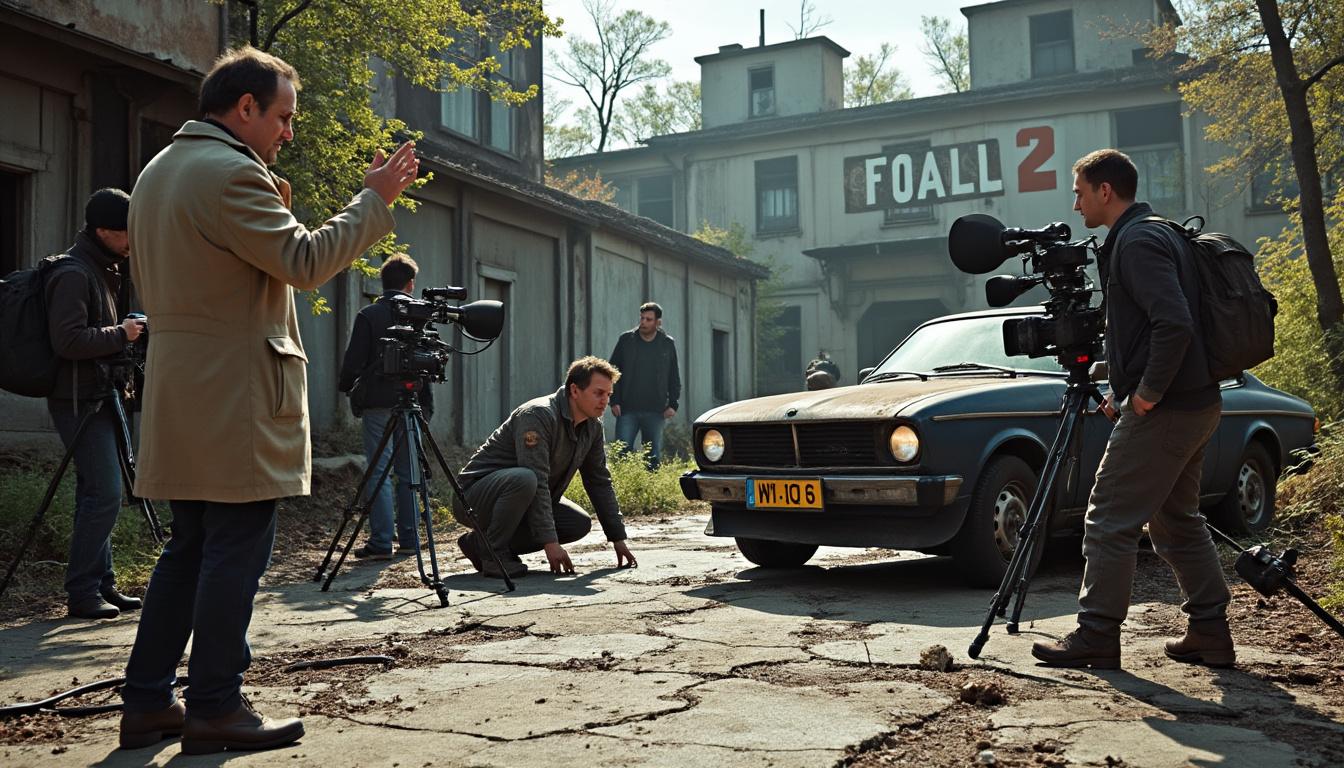
The Lessons of Betrayal: Emotional Truths in Acting
In the landscape of television drama, scenes that exhibit betrayal carry particular weight. They challenge actors to expose vulnerabilities, not just in their character but in themselves. Goggins has always been noted for his ability to delve into complex emotional landscapes, and this particular scene in Fallout Season 2 exemplifies that talent. His method not only serves the narrative but also anchors the storyline, revealing deeper lessons about humanity.
Understanding The Ghoul The betrayal acts as a crucial pivot point in The Ghoul’s narrative arc. Over the course of Season 2, viewers witness this character’s evolution from a figure of destruction to one seeking redemption. Purnell’s character, Lucy, represents the possibility of reconnection to his lost humanity. The scene where The Ghoul betrays Lucy serves as an unsettling reminder of the sacrifices made in post-apocalyptic societies where loyalties are tested constantly.
It also challenges audience perceptions of morality. As audiences engage with The Ghoul’s dilemma, they are called to question what they would do in similar situations, possibly allowing for a richer viewing experience. This moral ambiguity not only renders the series captivating but also brings forth discussion about the essence of humanity in the face of adversity.
Lessons for Aspiring Actors from Goggins’ Experience
The challenges faced by Walton Goggins while filming such an intricate scene provide invaluable lessons not only for his fellow cast members but also for those aspiring to enter the world of acting. A few takeaways from Goggins’ method and mindset offer guidance on handling the emotional rigors of performance.
- Embrace Vulnerability: The ability to showcase vulnerability in performances can create deeper connections with audiences.
- Collaborate Effectively: Building rapport with other actors and the crew allows for enhanced emotional resonance.
- Channel Personal Experiences: Actors can draw from personal life experiences to portray complex emotions genuine.
- Understand Character Development: Knowledge of a character’s journey enriches the portrayal, making it more authentic.
- Stay Committed to the Character: Fully immersing oneself in a role can help navigate challenging scenes more effectively.
Impact on Audience Engagement
Scenes filled with emotional turmoil often resonate deeply with audiences. They can evoke a spectrum of feelings, from anger to sadness. In the case of Fallout Season 2’s intense narrative, Goggins’ delivery made viewers question loyalty and morality while compelling them to re-evaluate their understanding of the characters involved. This kind of engagement is what creators strive for, as it leads to richer discussions across social platforms.
The emotional fallout from Goggins’ heartbreaking betrayal of Lucy acts as a catalyst for further developments in the series, setting the stage for new conflicts and resolutions. Audiences are left pondering the intricacies of human relationships, especially in dire circumstances.
Conclusion: The Value of Emotional Scenes in Television
Scenes like the one shot by Walton Goggins in Fallout Season 2 serve as significant milestones in television drama. They push actors and audiences alike to confront uncomfortable truths, highlighting the resilience, flaws, and complexities of human nature.
Walton Goggins’ profound performance exemplifies what can be achieved when talented actors are given the space to explore deep emotional scenarios. This level of engagement not only helps elevate the show but also fosters a sense of community among fans who debate the moral implications of characters’ actions, transforming how they connect with the series as a whole.