
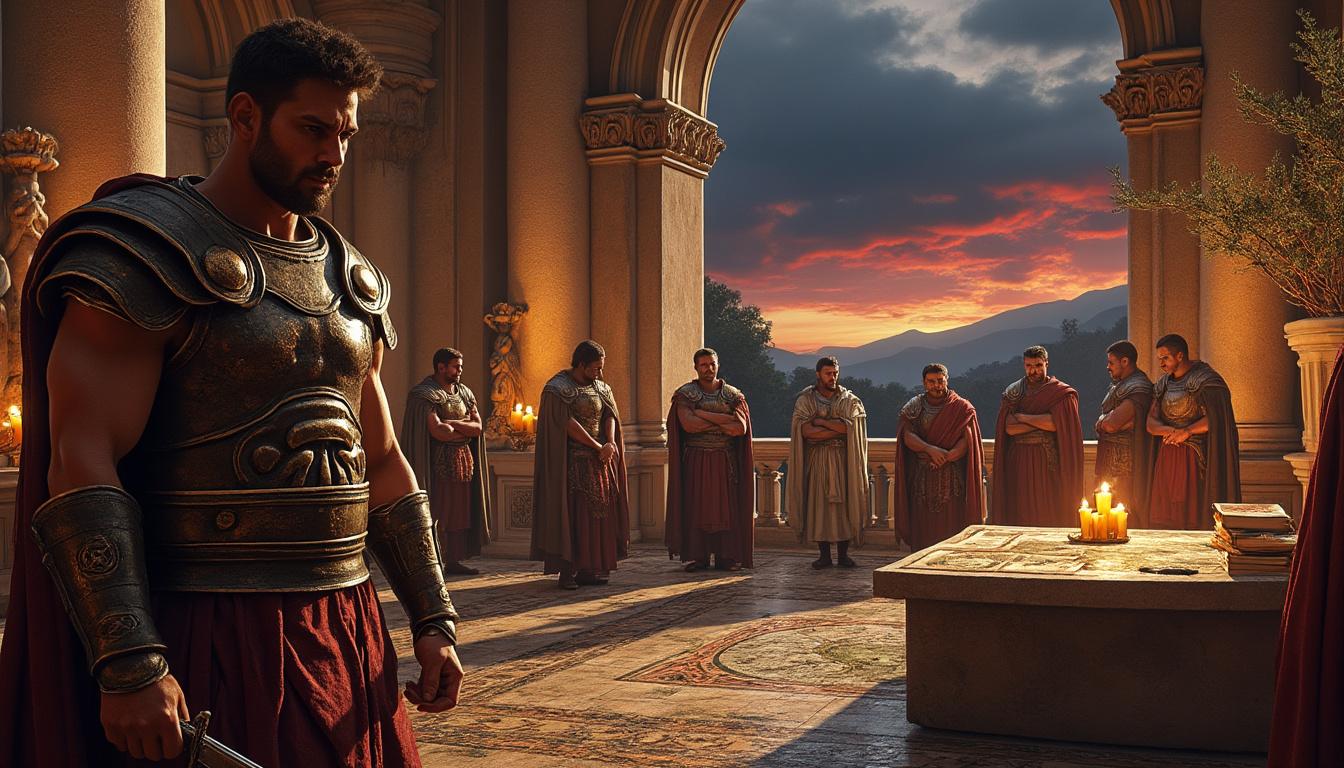
Spartacus: House of Ashur Overview and Season 1 Recap
The historical drama Spartacus: House of Ashur has carved its own unique narrative space within the expansive tapestry of the ancient Rome storyline. Unlike its predecessors, this series offers an intriguing twist by reimagining Ashur’s fate, allowing him to survive and seize power in a brutal world defined by gladiatorial combat and political intrigue. The show intricately weaves together themes of ambition, loyalty, and treachery, compelling viewers to invest emotionally in each character’s journey.
Season 1 concludes with Ashur, portrayed brilliantly by the cast, ascending the ranks after the death of Spartacus. As a reward for his betrayal, he inherits Batiatus’ ludus, a gladiatorial school that serves as a powerful backdrop for the unfolding dramas. This installment has not only captivated audiences with its intense action sequences and stunning visuals but also deeply explored the psychological and emotional struggles of its characters. Ashur’s partnership with a gladiatrix adds layers of complexity to his character and motivations, enhancing the narrative tension further. The reception from critics and fans alike has been overwhelmingly positive, leading to speculation about whether Season 2 will come to fruition.
Success Factors for Renewal
As anticipation builds around the future of Spartacus: House of Ashur, several factors will significantly influence the decision to renew or cancel the show. Viewership ratings for the inaugural season have showcased solid performance, with a commendable 92% rating on Rotten Tomatoes. Such statistics often serve as primary indicators of a series’ viability; the statistics reflect not only viewer enthusiasm but also critical acclaim. Ratings can play a pivotal role in demonstrating the show’s financial viability, essential for the network’s decision-making.
The financial aspects surrounding renewal also take into account production costs, advertising revenue, and subscription growth for Starz, the network broadcasting the series. In an era where streaming platforms have transformed how content is consumed, evaluating a show’s sustainability relies on metrics beyond traditional ratings. Engaging with the audience through social media channels and evaluating feedback contributes to the network’s assessment of long-term investment in any TV series, including Spartacus: House of Ashur.
Furthermore, engagement metrics such as streaming counts, social media buzz, and audience retention rates are invaluable in the assessment process. A show that continues to spark conversations and strong viewer interest stands a much better chance of receiving a green light for continuation. As season 1 has prompted discussions around various themes and character arcs, it has contributed positively to the show’s visibility and potential longevity.
DeKnight’s Vision and Creative Freedom
Steven S. DeKnight, the creative mind behind Spartacus: House of Ashur, has provided valuable insights into the creative process and vision for the series. In a recent interview, DeKnight revealed that the groundwork for Season 2 has already been laid, indicating readiness for continuation should the show succeed. He expressed nothing but gratitude towards Starz for providing an environment that values creative risks and encourages bold storytelling.
DeKnight emphasized that the network has supported the show’s explicit content, which includes both violence and sexual themes, allowing the creative team to maintain the intensity reminiscent of the original Spartacus series. Such creative freedom is a rarity in today’s media landscape, where many networks opt to tone down themes that could alienate portions of the audience. This embrace of adult content has not only allowed for a faithful execution of the show’s premise but also fosters a deeper connection with its audience.
The willingness to embrace graphic storytelling allows Spartacus: House of Ashur to explore the complex moral landscape of its characters, presenting them as multifaceted and deeply flawed. This ambition aligns with the series’ goal to portray the harsh realities of life as a gladiator, ensuring an authentic representation of history fused with vigorous, character-driven narratives.
The Impact of Audience Reception on Future Seasons
Audience reception plays a fundamental role in determining the fate of television series today, especially in the fiercely competitive landscape of streaming platforms. For Spartacus: House of Ashur, fan reactions, engagement on social media, and community discussions significantly contribute to the growing momentum of the series. This active engagement creates a community around the show, opening avenues for expansion in storyline and character exploration.
The fanbase’s enthusiasm can be seen in various online platforms where discussions about episode plots, character arcs, and potential future developments abound. The drive for theories and speculation frequently acts as a litmus test for networks, indicating the level of investment viewers have in their narratives. Social media platforms and fan forums provide an essential barometer of enthusiasm and loyalty, essential for any show’s future.
Moreover, the concept of audience-generated content, such as fan art and fan fiction, expands the universe of Spartacus: House of Ashur. These creative expressions not only elevate the show’s profile but also signify a deeper connection made by the viewers with the material presented. When fans take ownership of the content, it creates a unique ecosystem where the show’s popularity flourishes, encouraging networks to consider continuation.
Comparative Analysis with Other Series
Analyzing the trajectory of similar historical dramas can shed light on what might await Spartacus: House of Ashur. Generally, historical dramas like The Last Kingdom and Rome have experienced varied fates after their initial seasons, influenced by ratings, critical reception, and audience engagement. Those that maintained a loyal viewer base coupled with high-quality storytelling generally managed to extend their runs. This comparative analysis positions Spartacus: House of Ashur favorably, considering its positive reception thus far.
Furthermore, networks have been increasingly willing to invest in renewing shows that push creative boundaries while retaining audience interest. This willingness reflects a broader trend in the entertainment industry, where innovative storytelling takes precedence over merely complying with conventional network standards. Spartacus: House of Ashur has subscribed to this trend by not shying away from intense themes, ensuring its place within this competitive space.
| Show | Network | Seasons | Final Fate |
|---|---|---|---|
| The Last Kingdom | Netflix | 5 | Canceled |
| Rome | HBO | 2 | Canceled |
| Spartacus: House of Ashur | Starz | 1 | Pending |
Current Status and The Future of Spartacus: House of Ashur
As of today, Starz has not officially canceled or renewed Spartacus: House of Ashur for Season 2. However, the show’s strong viewer engagement and critical acclaim create an optimistic outlook for its future. The narrative’s compelling intersection of history and creative storytelling has resonated with audiences, allowing it to maintain its traction in the crowded market of television series.
Industry experts predict that if the current trends hold, the likelihood of a renewal announcement could occur within the upcoming months. The timing of any news regarding the second season will depend largely on the evaluation of Season 1’s performance against various key metrics, including retention rates and overall engagement levels. The creative team is prepared and waiting for the signal to commence production, as indicated by DeKnight’s previous comments regarding their readiness for Season 2.
The cast remains optimistic about returning for another season, and discussions have begun among the creators and network representatives regarding potential story arcs and character developments for future episodes. If predictions hold true, viewers could expect the continuation of this enthralling tale set amid the gladiatorial arenas of ancient Rome, further intertwining Ashur’s story with those of other historical figures pivotal to the narrative.