

Concerns About AI and the Future of Voice Acting in Animation
The rise of artificial intelligence in various sectors has sparked numerous debates, particularly within the realm of animation and voice acting. One of the most pressing concerns is how AI could potentially alter the landscape of beloved shows like The Simpsons. Nancy Cartwright, the voice behind Bart Simpson for over 35 years, openly expresses her worries regarding this technological shift. While some see AI as a tool for efficiency, others, including Cartwright, emphasize the emotional nuances that human actors impart into their performances. This reflection highlights the ongoing struggle between technology and artistry in entertainment.
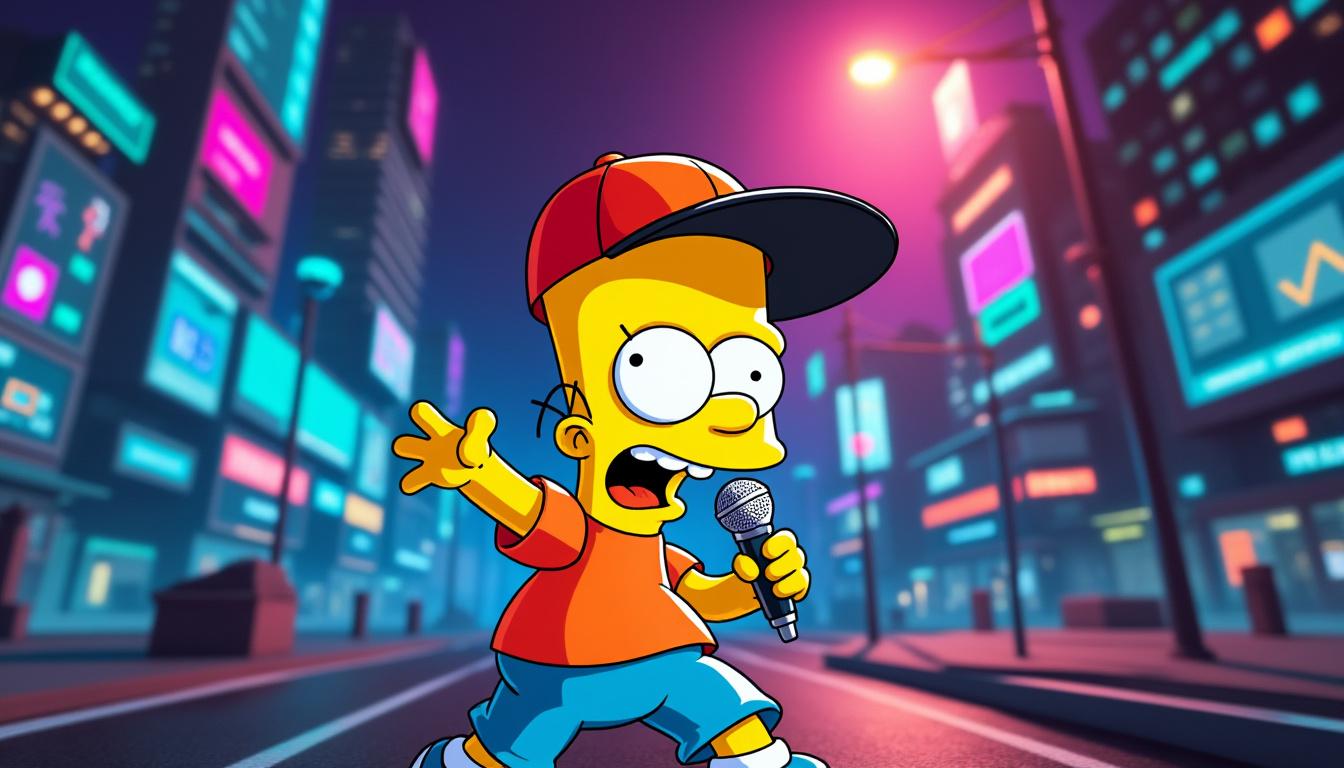
Cartwright’s perspective is rooted in her extensive experience within the industry. Her sentiments echo those of fellow voice actors who fear that AI could dilute the emotional depth essential for creating relatable characters. Exploring the cultural impact of animated series, it becomes evident that the unique human connections and emotional layers provided by voice actors are irreplaceable. An example is Cartwright’s assertion that no AI can replicate the ‘passion’ human artists bring to their roles. Thus, the question arises: can AI ever truly replace the artistry inherent in voice acting?
Moreover, as The Simpsons enters its 37th season, discussions surrounding the potential replacement of human actors through AI have become more pronounced. With over 800 episodes aired, the show remains a cultural icon, and any discussion of replacing voice actors inevitably stirs strong emotional reactions from fans and cast members alike. In the past, shows have experimented with AI-generated voices for minor characters, prompting audiences to question the authenticity and creativity of such choices.
AI and the Dynamics of Emotion in Voice Acting
A significant aspect that differentiates human voice actors from AI counterparts lies within the realm of emotional delivery. Cartwright articulates that while AI can simulate voices to a stunning degree, it lacks the core of what makes a performance truly resonate—emotion. When watching an animated series, audiences connect to the characters not just through dialogue but through the subtleties of delivery. These elements can emerge from the actor’s life experiences, emotions, and response to the script. For instance, when Bart exclaims “Eat my shorts!” with a defiant tone, it’s not merely the words but how they’re expressed that etches the line into popular culture.
This dynamic touches upon a larger trend within entertainment where authenticity becomes increasingly valued. Perhaps the best way to understand this is through the lens of music: imagine a computer-generated song devoid of personal experiences or struggles. It may sound perfect, but without human emotion, it loses its impact. The same logic extends to the world of animation and voice acting. In this context, Nancy Cartwright’s defense of the emotional intelligence that human actors provide is not just a personal preference; it is a reflection on the nature of storytelling itself.
Human Touch Versus AI Efficiency: A Dilemma for the Future
The efficiency offered by AI is captivating for many industries, with advertising and filmmaking currently exploring its potential benefits. However, can this efficiency tragically compromise the storytelling aspect deeply embedded in animated series like The Simpsons? The ease with which AI can generate voices and scripts makes it a compelling option for producers looking to cut costs or expedite production timelines. Yet, the essence of these shows goes beyond their operational efficiency; they are cultural artifacts that encapsulate the human experience.
AI systems might be designed to analyze emotive speech patterns, but imitating human talent does not equate to matching it. There is a difference between performing as a character and reproducing variations of speech. Cartwright maintains that she would prefer choosing a successor for her role rather than seeing AI take over. Her statement resonates with many who have witnessed how the unique contributions of voice actors shape fan-favorite characters.
In her reflections, Cartwright suggests that finding a ‘passionate successor’ ensures the continuation of the character’s legacy without relinquishing emotional depth. A list of potential qualities that would deem a successor worthy could include:
- Empathy and emotional understanding of the character
- A genuine connection with the show’s themes
- A willingness to embody the character beyond mere vocalization
- Ability to bring personal nuances to the portrayal
This demonstrates the importance of incorporating human touch into character development and voice acting, ensuring that The Simpsons remains more than just an animated series but a reflection of societal dynamics.
The Cultural Significance of Voice Actors in Animation
From the inception of The Simpsons, family dynamics and cultural commentary have been delivered through expertly crafted characters. The voice actors themselves become part of that tapestry, breathing life into characters that resonate beyond the screen. For instance, Nancy Cartwright’s role as Bart represents the rebellious spirit of youth, a portrayal shaped through her own understanding of childhood and societal expectations. Such elements of characterization cannot be replicated by AI; they require the intricate layer of human experiences.
The idea that artificial creations could replace such integral roles brings forth questions about authenticity. Is a show still the same if it relies on computers to replicate human emotion? The answer emerges through the enthusiasm fans demonstrate towards creators who perceive their projects as art rather than just entertainment. The legacy of iconic roles like Bart Simpson is not only tied to the voice but also to the communal experiences and emotions shared between characters and viewers.
The Technology Behind AI Voice Generation
Delving into the technical aspects of AI voice generation reveals its fascinating capabilities. AI utilizes machine learning algorithms and deep learning techniques to analyze sound waves, discerning patterns in human speech. This allows for the generation of voices that can mimic existing actors, even replicating nuances found in human emotions. However, the dialogue on whether this is an acceptable replacement for human actors considers a wider spectrum of ethical implications and cultural impacts.
AI voice generation technology is rapidly evolving, yet it remains a double-edged sword. On one hand, it presents an opportunity for cost-effective and efficient content creation, appealing directly to the entertainment industry’s bottom line. On the other hand, there are valid concerns regarding job security for voice actors, as well as the potential loss of emotional connection in storytelling.
For example, the simplicity with which an AI could create variations of Bart Simpson’s iconic catchphrases presents both allure and apprehension. However, when audiences engage with the character, it is the multifaceted nature of an experienced actor—someone who understands comedic timing, emotional depth, and cultural context—that elevates an animation into a true form of art. The ongoing dialogue depicts the broader implications of AI insertion into creative fields.
| Aspect | AI Technology | Human Voice Acting |
|---|---|---|
| Emotional Depth | Limited emotional range | Rich and nuanced |
| Character Development | Static interpretation | Dynamic and evolving |
| Cultural Relevance | Analytical approximation | Authentic representation |
Fan Reactions and Industry Implications
The potential replacement of voice actors with AI has ignited passionate debates among fans and industry veterans alike. Many fans treasure the personal touch that human actors provide, and even the idea of using AI-generated voices can elicit backlash from dedicated audiences. Ultimately, the emotional connections forged during years of storytelling contribute significantly to the popularity of characters in The Simpsons.
This discussion serves to reflect a larger concern for the industry about the implications of integrating AI into content creation. As future seasons unfold, the strategy behind maintaining authenticity in animations is critical. Understanding viewer sentiment while navigating the possibilities that technology provides is essential for keeping the integrity of shows like The Simpsons intact.