
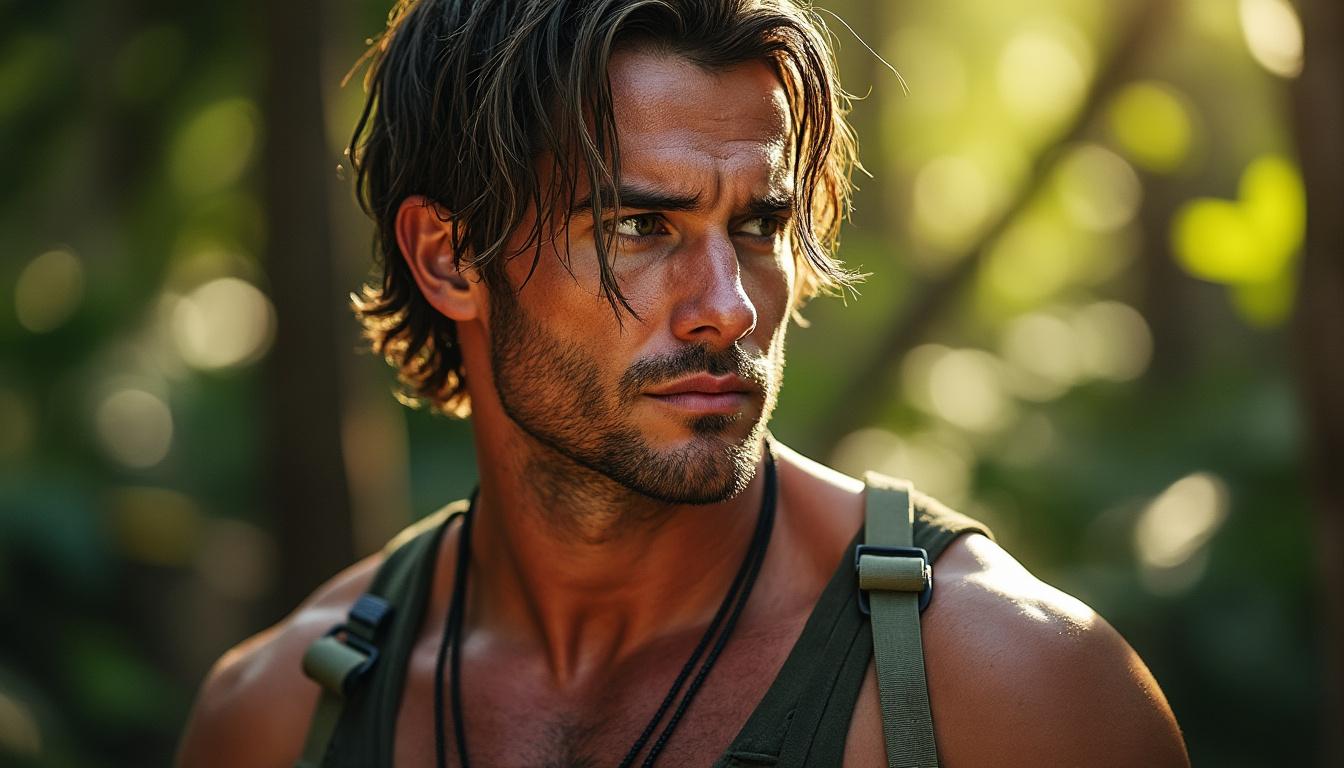
Colby Donaldson’s Journey in Survivor: A Retrospective
Colby Donaldson is a name that resonates deeply within the Survivor community. With a rich history that began in Season 2, Donaldson has become a legendary figure in this competitive reality TV show. As a contestant on Survivor: The Australian Outback, he showcased not just physical prowess but also strategic acumen, ultimately placing as a runner-up. His charm and athleticism captured the hearts of viewers, making him an indelible part of reality TV history. Over the years, he has returned multiple times, each season bringing him closer to the ultimate goal—the million-dollar prize. The stakes in Survivor have always been high, but Season 50 marked a significant moment in his journey.

As the 50th season approached, fans were understandably thrilled to see Donaldson back in the game. However, it wasn’t an easy decision for him. The allure of returning to the challenging landscapes of Fiji was overshadowed by personal reservations, a reality faced by many contestants. Career and family commitments loomed large as factors that complicated his participation. Donaldson articulated this struggle, noting the challenges players face when balancing their personal lives with the demands of the game. His story reflects the sacrifices many have made over the years, highlighting the dedication required to compete in Survivor.
Reflecting on his earlier appearances, there is a stark contrast between then and now. The idyllic beaches and thrilling competitions that once seemed inviting now carry a weight of responsibility. Friends and fans alike prompted Donaldson to reconsider, emphasizing the importance of representing not merely himself but also the evolving dynamics of past and present contestants. By returning, he joins a lineage of players who have not only played the game but have influenced its trajectory.
The Decision-Making Process: Why Colby Almost Quit
In an exclusive interview with E! News, Donaldson opened up about the tumultuous decision-making process he underwent before agreeing to participate in Survivor Season 50. Initially thrilled at the prospect, he described how that excitement morphed into anxiety as the departure date loomed closer. He revealed, “It was an immediate yes for me initially. And then months later, as we began to approach the departure date, there was part of me that wanted to back out.” This statement encapsulates the internal conflict he faced, a sentiment echoed by many contestants who navigate similar dilemmas.
His hesitation stemmed primarily from significant career shifts threatening his availability. As he faced adjustments in his professional life, the idea of taking a substantial time off became daunting. Such changes resonate not just with Donaldson but with numerous contestants who wrestle with the same dilemma—how to prioritize their careers against the lure of a competitive challenge on television. The desire to participate is often tempered by practical constraints, leading many to reconsider their commitment.
Moreover, there’s an additional layer of responsibility as contestants assess the time commitment and the potential impact on their families and personal lives. Donaldson highlighted this when he stated, “There are a lot of people that would be great on the show but can’t take that much time off work or can’t be away from their family for responsibility reasons.” His recognition of these challenges showcases a deeper understanding of the sacrifices made by contestants over the years. Understanding the weighs of these obligations complicates the thought of heading back into the unforgiving environment of Survivor.
The Role of Personal Support in the Decision
Ultimately, it was the encouragement from his wife, Britt Bailey, that helped Colby find the clarity he needed to continue his journey on Survivor. Personal support plays an instrumental role in shaping an individual’s decisions, particularly in such challenging endeavors like reality competition. Donaldson’s dynamic experience serves as a testament to this foundation. Britt’s unwavering belief in his potential and abilities resonated with him, influencing his mindset in a pivotal way.
Colby candidly shared that after aligning his professional commitments and obtaining his wife’s encouragement, he felt a renewed sense of purpose in joining Season 50. “That was the best decision I made,” he reflected. Such sentiments not only illustrate the necessity for emotional support systems but also underline the critical nature of having a partner who believes in one’s aspirations.
The role of emotional anchors cannot be overstated in high-pressure environments like Survivor. Contestants often require an anchor to help stabilize their decision-making process. Colby’s story highlights how support from loved ones can act as a catalyst for action and courage. The reassurance he received provided him with the confidence to make the trek back to the hostile jungles of Fiji, ready for the challenges ahead.
Facing New Challenges in Survivor Season 50
Colby Donaldson’s return to Survivor for its 50th season meant stepping back into a highly evolved game filled with new twists, strategies, and contestants. The landscape of the show has shifted dramatically since his last appearance, and he faced an array of newly formulated challenges designed to test the mettle of even the most seasoned players. As he mentally prepared for the competition ahead, Donaldson recognized the need for adaptability.
Adapting to the new dynamics has undoubtedly become a prerequisite for success in the current iteration of Survivor. The game’s mechanics have changed, necessitating that players alter their strategies and alliances to thrive. This evolution in gameplay creates diverse approaches that ensure unpredictability. More change invites a need for critical thinking and collaboration, two strategies that Colby has effectively utilized throughout his Survivor experiences.
As he found himself entrenched in the gameplay, the mix of psychological acumen and physical ability became paramount. The unique strategies seen in the latest seasons require an understanding of not just oneself but also of one’s opponents. Contestants must constantly assess their relationships and modify their tactics to prevail in this competitive arena. Donaldson’s prior experiences have equipped him with valuable insights, yet the demand for wisdom and ingenuity in Season 50 remains high.
Lessons from Survivor: The Impact of the Game
Colby Donaldson’s participation in Survivor extends beyond mere competition; it is a reflection of life’s broader lessons. The reality TV landscape offers rich opportunities to explore human interaction, ethical dilemmas, and the essence of survival. Each season, including this milestone 50th chapter, encapsulates moments that challenge contestants in multifaceted ways, revealing personal growth and resilience.
Through mental and physical trials, players like Donaldson illuminate the various facets of human behavior under pressure. Less about the destination and more about the journey, Survivor serves as a microcosm of life, where the path to success often presents unforeseen struggles. Navigating these complexities requires a blend of strategy, alliances, and an understanding of personal limits, elements that provide rich material for viewer engagement.
As audiences tune in to witness this latest installment of Survivor, they not only cheer on their favorite contestants but also immerse themselves in the deeper narratives that transcend entertainment. Colby Donaldson’s journey, marked by both trials and triumphs, serves as a poignant reminder of the resilience of the human spirit—a key takeaway for viewers seeking inspiration.
| Aspect | Details |
|---|---|
| Career Shifts | Challenges faced with professional commitments impacting participation. |
| Support System | Influence of personal connections, particularly from family. |
| Adaptability | Need to evolve strategies and understand new game dynamics. |
| Life Lessons | Reflections on personal growth and resilience through competition. |