
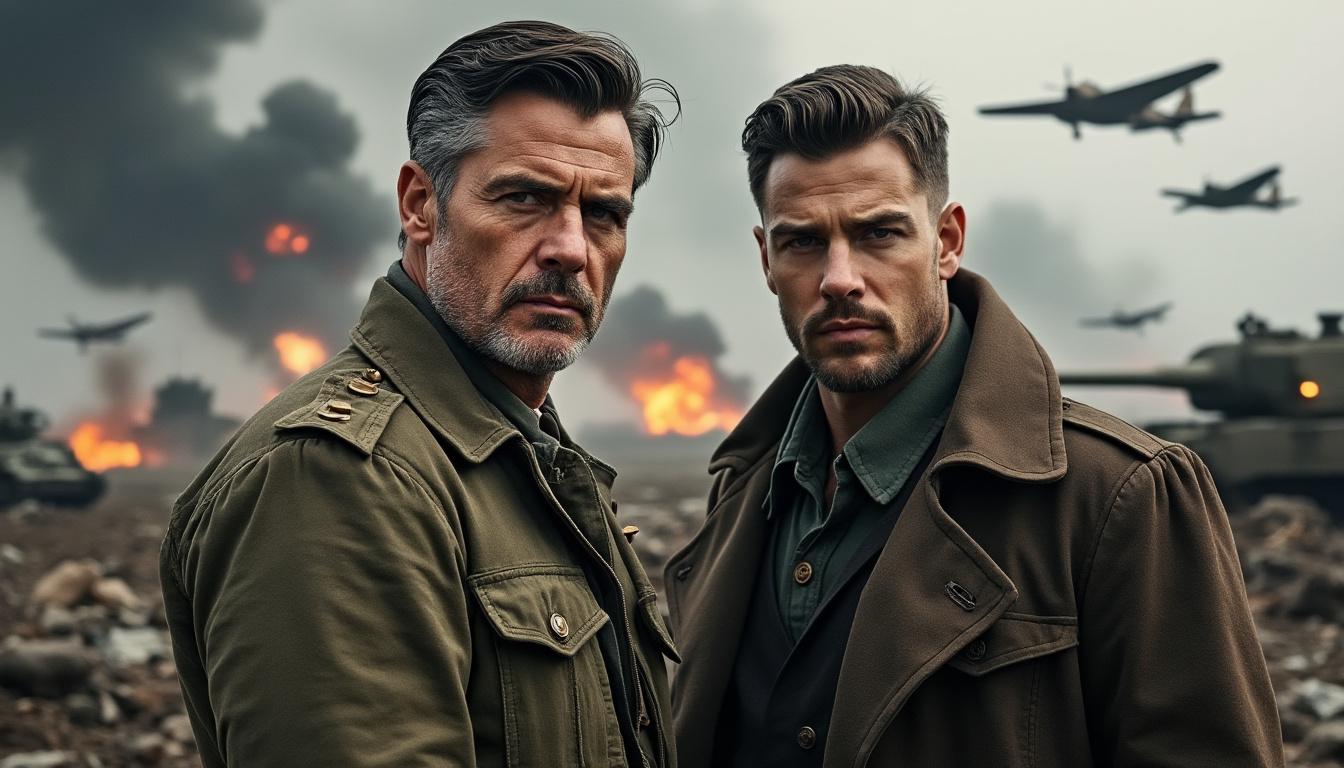
Exploring the Historical Drama of Nuremberg: A Deep Dive
The film Nuremberg, a compelling World War II epic now streaming on Netflix, showcases the powerful performances of Russell Crowe and Rami Malek. Directed by the acclaimed James Vanderbilt, known for his work on the film Zodiac, this historical drama dives deep into the psychological dimensions of the infamous Nuremberg Trials. Released in late 2025, the film has rapidly gained attention for its intense portrayal of the moral struggles that occurred during this pivotal moment in history.
Based on Jack El-Hai’s non-fiction book, The Nazi and the Psychiatrist, Nuremberg presents a dramatized account where Crowe plays Hermann Göring, one of the prominent leaders of the Nazi regime, while Malek portrays a U.S. Army psychiatrist tasked with assessing Göring’s mental state. This dynamic creates an engaging cat-and-mouse game that exemplifies the psychological warfare that unfolded not just in the trials, but also within the minds of those involved.
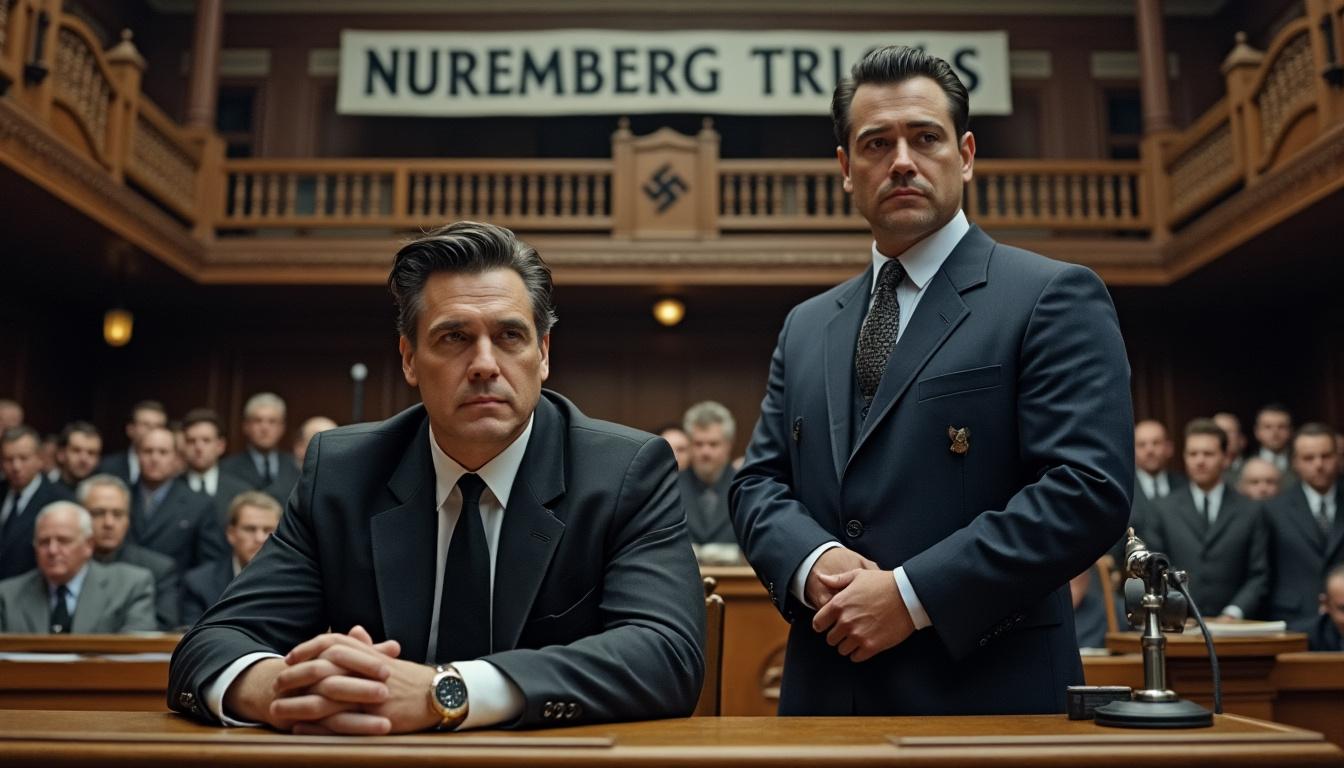
Crowe’s portrayal of Göring is layered, presenting him not just as a monster but as a complex individual wrestling with his reality. In stark contrast, Malek’s performance as the psychiatrist represents the moral dilemma faced by those who were supposed to execute justice. The film does an excellent job of showcasing the tension between justice and retribution, urging viewers to ponder the philosophical ethics surrounding war crimes and accountability.
The Psychological Duel: A Battle of Wills
Central to the narrative of Nuremberg is the psychological duel between the characters played by Crowe and Malek. This cat-and-mouse dynamic illustrates the broader theme of accountability in the face of unimaginable atrocities. The film effectively encapsulates the scholarly debate surrounding mental health and morality in wartime, as the psychiatrist endeavors to unearth the layers of Göring’s psyche. In the process, viewers witness the unsettling reality of how one can rationalize evil.
With strong writing and pulsating dialogues, the film takes viewers through the intricacies of mental evaluations, presenting a nuanced view of justice. It raises critical questions about the nature of guilt, sanity, and human responsibility, compelling audiences to reflect upon the historical truths that shaped our modern understanding of justice.
The drama peaks in a memorable confrontation scene that leaves viewers on the edge of their seats, provoking discussions about ethics and morality long after the credits roll. It’s a visceral reminder of how the past continues to echo into the present, urging audiences to reckon with the implications of justice in our own society.
The Stellar Cast: Supporting Roles that Shine
While Crowe and Malek lay the narrative foundation, the film is bolstered by an impressive supporting cast, adding richness to the storytelling. The character of Robert H. Jackson, portrayed by Michael Shannon, is the chief prosecutor determined to bring the Nazi leaders to justice. His relentless pursuit of truth is juxtaposed with the psychological strategizing of Malek’s character, wrapping the audience in the moral quandaries of the trial.
The film also features Richard E. Grant, Leo Woodall, and Colin Hanks in pivotal roles, each contributing to the intricate web of justice and accountability that underlines Nuremberg. The diverse cast helps to present a multitude of perspectives during this historic era, enhancing the film’s authenticity.
Moreover, the film highlights the intricate relationships between the characters, showcasing how personal conflicts can influence larger political and ethical conversations. This complexity allows for deeper character studies, making it not just a war movie, but also a profound exploration of human nature, much in line with other notable historical dramas.
As the audience navigates through the various layers of the narrative, they witness how each character’s motivations are shaped by their experiences, ideologies, and internal struggles. The strong performances deliver emotional resonance and elicited reactions that resonate well beyond the theater.
Production Quality: A High-Impact Visual Experience
The production of Nuremberg stands out not just for its stellar performances but also for its impeccable cinematography and thematic elements. Dariusz Wolski, the director of photography, masterfully captures the raw emotions and atmospheric tension that define the film. The color grading, along with the carefully constructed sets, transports viewers back to post-World War II Europe, infusing authenticity into the story.
Furthermore, the music composed by Brian Tyler adds another layer to the cinematic experience, accentuating pivotal moments with an emotional score that resonates with the audience’s sentiments. Each scene is crafted to elicit an emotional reaction while remaining grounded in historical accuracy, bringing to life the profound conflicts faced by those involved in the Nuremberg Trials.
| Aspect | Description |
|---|---|
| Director | James Vanderbilt |
| Cinematography | Dariusz Wolski |
| Composer | Brian Tyler |
| Runtime | 139 minutes |
This attention to detail in production not only enhances the viewing experience but also serves to educate audiences about the gravity of the events being portrayed. Nuremberg is both a dynamic depiction of a historical event and a powerful statement on ethics and justice in society.
Critical Reception and Audience Reactions
Upon its release, Nuremberg was met with widespread acclaim from critics and audiences alike. It currently holds an impressive 95% score on Rotten Tomatoes, reflecting the film’s strong narrative, compelling performances, and socio-political relevance. Critics have lauded Crowe’s and Malek’s portrayals, highlighting their ability to anchor such a layered story with gravitas and emotional depth.
Viewers have noted the film’s ability to provoke thought and discussion, reinforcing the relevance of such historical events in contemporary times. The conversations sparked by the film delve into broader issues of morality, justice, and the consequences of war, demonstrating the power of cinema in shaping public discourse.
As audiences continue to engage with the film, its impact clocks in beyond entertainment; it serves as a reflective lens on the trials that defined an era. Viewers appreciate how Nuremberg challenges notions of justice and historical accountability, and its streaming on Netflix makes it accessible for even wider audiences to explore these critical themes.