
The Intriguing Narrative of Blue Moon
Set against the backdrop of a dimly lit bar on the evening of March 31, 1943, Blue Moon introduces the audience to the legendary lyricist Lorenz Hart. The script’s tightness is critical, as nearly every moment unfolds within this intimate space, offering a canvas for actors to showcase their talents. In this poignant setting, Hart grapples with his insecurities while his former collaborator, Richard Rodgers, basks in the success of the opening night of the groundbreaking musical Oklahoma!. This tension is palpable, and the film leans on Ethan Hawke’s ability to blend humor with pathos.
Hawke’s portrayal is transformative; he encapsulates Hart’s charm and wit while simultaneously laying bare his profound sadness. The film’s narrative doesn’t merely depict a night of celebration but also acts as a last-ditch effort for Hart to reclaim his lost pride. Through well-structured dialogues and interactions, the audience witnesses the intricacies of human emotions. This rich emotional landscape demands an exceptional performance, and Hawke delivers with aplomb.
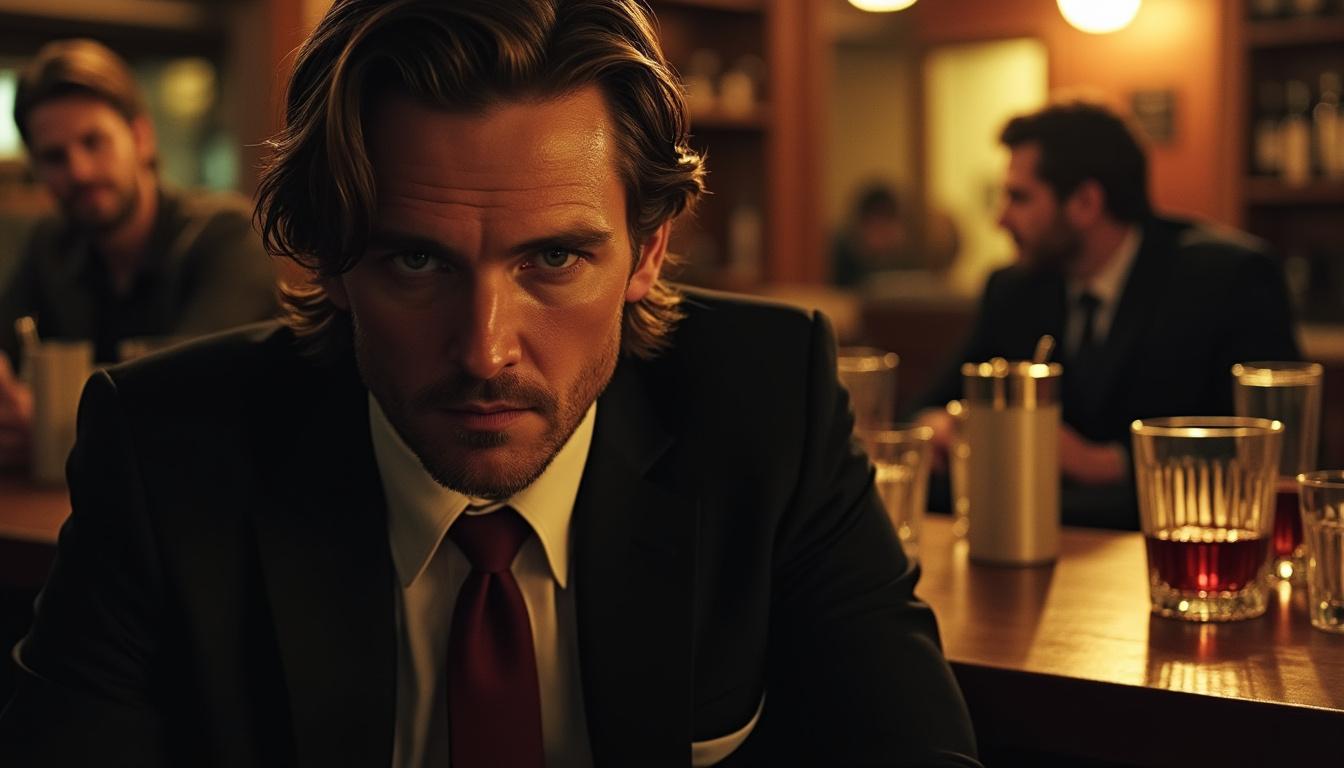
The setting itself facilitates an exploration of Hart’s psyche. The bar, known for its bustling energy, is juxtaposed with Hart’s internal turmoil, stirring a sense of empathy among viewers. As the plot unfolds, flashbacks and reflections paint a fuller picture of Hart’s life, making it clear that this night is not just another event but potentially his last chance to confront ghosts of the past. The film’s tightly woven narrative structure compels viewers to invest emotionally in Hart’s journey, highlighting the importance of a well-crafted plot in showcasing stellar acting.
The Cinematic Techniques That Illuminate the Story
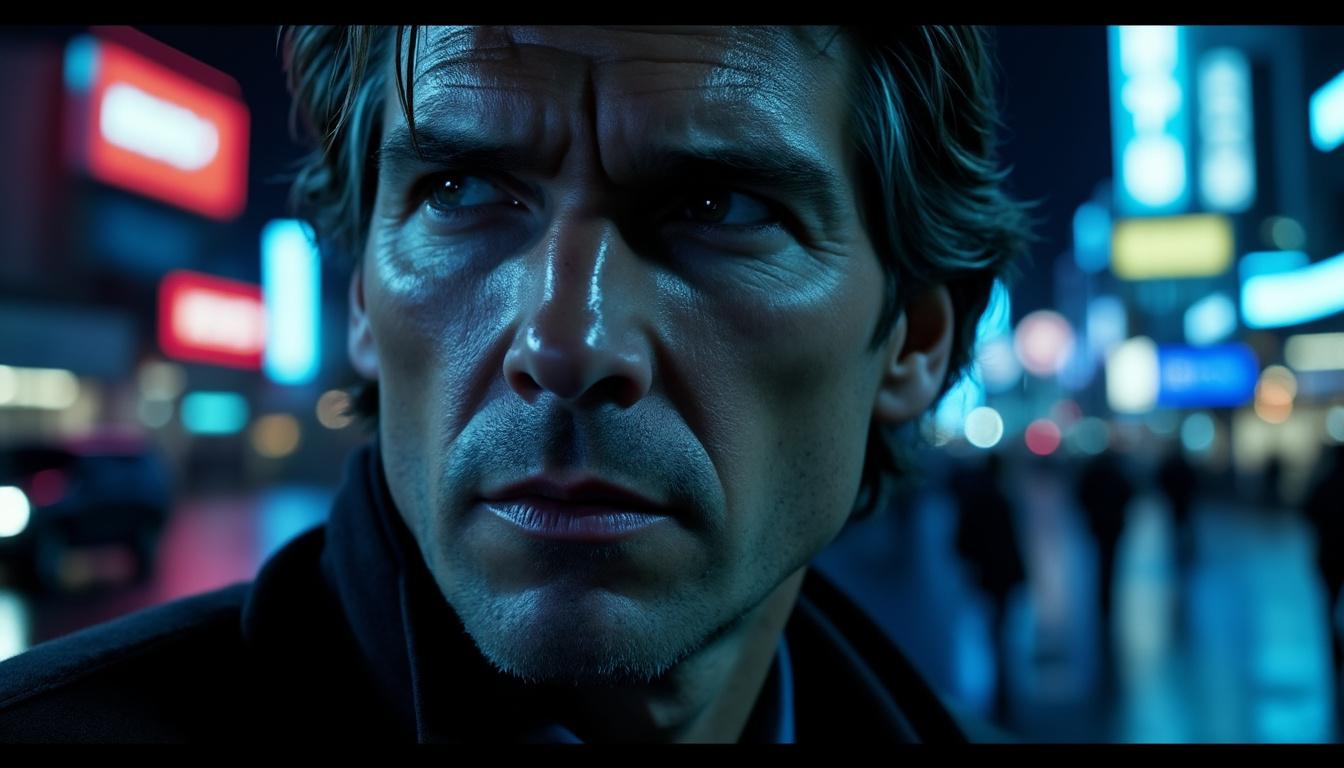
The artistry of Blue Moon extends beyond the script and performances. Directed by Richard Linklater, the film employs various cinematic techniques that enhance the emotional weight of the narrative. The use of close-ups captures nuances in Hawke’s expressions, revealing layers of Hart’s character that words alone cannot convey. This technique allows the audience to connect intimately with Hart’s emotional struggle.
Moreover, the film’s set design plays a crucial role. Meticulously crafted to evoke the era, the bar’s aesthetic immerses viewers in mid-century America. Every prop and piece of decor is purposefully selected, creating a visually rich environment that contrasts yet complements Hart’s internal chaos. The lighting, often dim and soft, casts shadows that reflect the darker undercurrents of Hart’s thoughts, further amplifying the impact of Hawke’s performance.
Notably, the film’s cinematography exhibits a blend of classic and contemporary styles. Traditional filming techniques used to manipulate Hawke’s height create an optical illusion that serves the narrative. Such innovative approaches still resonate in modern cinema, showcasing Linklater’s commitment to storytelling through visual means.
The Power of Ethan Hawke’s Performance
At the heart of Blue Moon is Ethan Hawke’s performance, which has garnered considerable acclaim. The emotional depth he brings to the role of Lorenz Hart transcends conventional acting, showcasing moments of vulnerability that resonate deeply with the audience. This authentic portrayal not only sheds light on Hart’s struggles but also reflects universal themes of loss and longing.
The complexity of Hawke’s character is particularly apparent during the climactic moments of the film. The balance he strikes between humor and sorrow is a testament to his range as an actor. Instances when he shares light-hearted banter in the bar juxtaposed with fleeting moments of regret highlight this skill. Such scenes serve not merely to elicit laughter but to ground the narrative in reality, making Hart’s journey relatable.
Furthermore, Hawke’s physicality in the role is noteworthy. His movement and gestures embody the disillusionment of a man battling his inner demons. Each stumble and moment of hesitation communicates unspoken emotions, enriching the visual storytelling. This level of dedication to the craft raises Hawke’s performance to an Oscar-worthy caliber, solidifying his status within the cinematic landscape.
The Emotional Resonance of the Film
Blue Moon isn’t just a film about a night in a bar; it’s a poignant exploration of the human condition. The emotional resonance of Hawke’s performance lingers long after the credits roll. Audiences are invited to reflect on their own struggles with fear, failure, and redemption. The film meticulously unravels Hart’s psyche, exposing his vulnerabilities, dreams, and insecurities that many can identify with.
As Hart’s story unfolds, viewers are led to contemplate the nature of success and the price that comes with it. His journey taps into the universal desire for acknowledgment and love, emphasizing that behind every artist lies a person grappling with profound questions of worth and identity. Hawke’s portrayal embodies this struggle beautifully, creating a hauntingly relatable character.
Moreover, Linklater’s decision to focus on intimate moments accentuates this emotional depth. Rather than grandiose displays of drama, the film opts for subtlety, allowing viewers to absorb the weight of each interaction. These choices contribute to the film’s overall emotional landscape, making it not only engaging but also a profound experience.
Technical Aspects of the Blu-ray Release
The Blue Moon Blu-ray release significantly enhances the viewing experience. Fans of the film will appreciate the sharp visuals and the stunning cinematography that holds up remarkably well in this format. Despite the absence of a 4K release, the Blu-ray offers a clear, vibrant image that allows the film’s artistry to shine through, immersing viewers in the atmosphere of the time.
One of the standout features of the Blu-ray is its DTS-HD 5.1 master audio track. The sound design complements the film’s emotional depth, allowing viewers to experience every subtle nuance of Hawke’s performance. The combination of dialogue, ambient bar sounds, and musical elements creates an immersive auditory experience, drawing the audience further into Hart’s world.
However, it is worth noting that the Blu-ray’s special features leave much to be desired. With only the theatrical trailer available, viewers miss out on a deeper exploration of the film’s production. Commentary tracks or behind-the-scenes featurettes would have provided insight into the creative processes behind Hawke’s transformative performance and Linklater’s direction. The lack of supplementary content feels like an opportunity lost, especially given the film’s interest in old-school filming techniques.
| Aspect | Detail |
|---|---|
| Video Quality | Sharp visuals, excellent cinematography |
| Audio | DTS-HD 5.1 master audio track |
| Special Features | Theatrical trailer only |
Final Thoughts on the Blu-ray Experience
Despite the limited bonus features, the Blue Moon Blu-ray remains an essential addition for cinephiles and fans of Ethan Hawke alike. Its strengths lie in the stunning visual presentation and compelling audio experience, making it a joy to watch. The film holds up remarkably well upon rewatching, underscoring the emotional depth and intricacies of Hawke’s performance.
In a world where cinematic storytelling continues to evolve, Blue Moon stands out as a contemporary masterpiece rooted in the traditional narrative. This release allows audiences to cherish one of 2025’s standout films, ensuring that Hawke’s compelling portrayal of Lorenz Hart will continue to resonate for years to come.