

William Shatner Reacts to ‘Star Trek: Starfleet Academy’ Cancellation
Recent news of the cancellation of Star Trek: Starfleet Academy has sent ripples through the world of entertainment, and none were more vocal than William Shatner, the actor immortalized as Captain James T. Kirk. Shatner did not hold back his feelings on the matter, taking to social media to express his deep grief. The cancellation came as a shock to many, especially as production had just wrapped up for its second season. Fans eagerly anticipated what was to be offered in this new chapter of the Star Trek universe, bridging generational gaps in a franchise cherished by many.
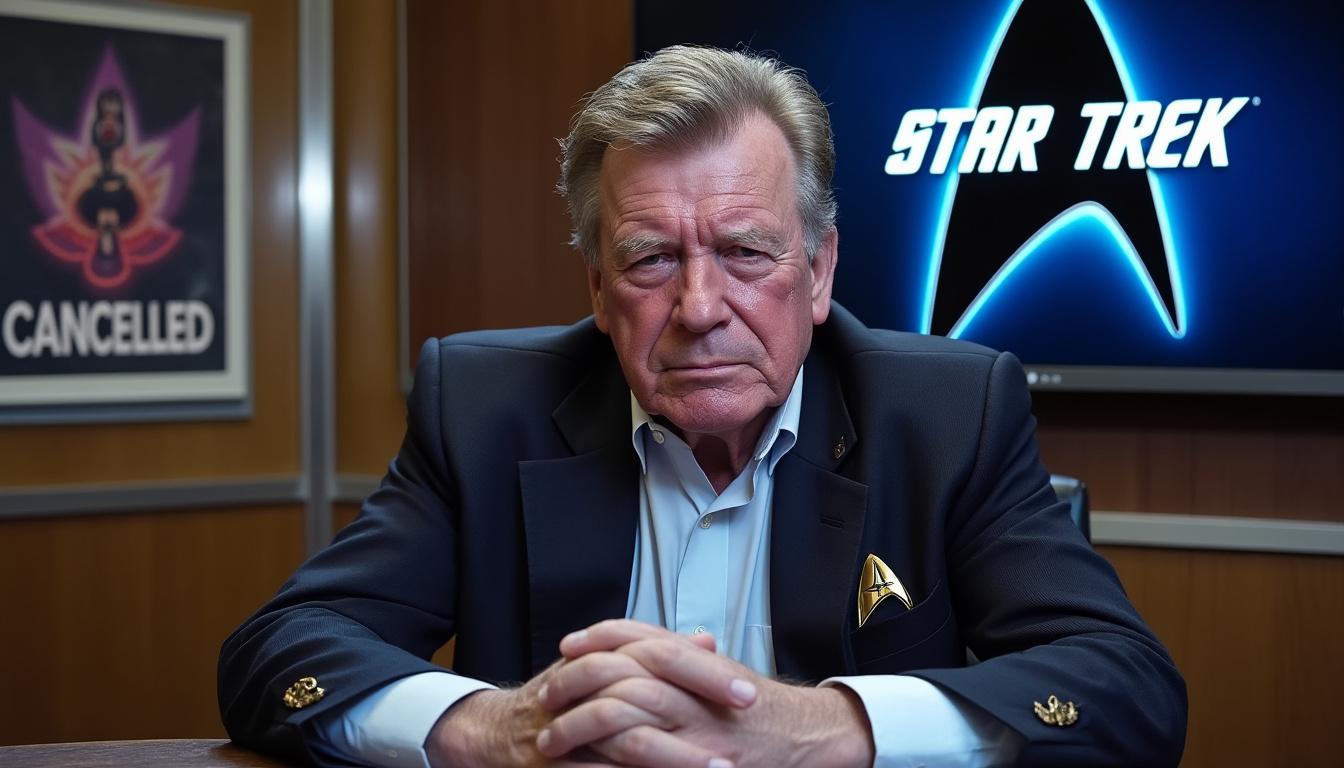
Shatner was quick to convey his disappointment, emphasizing the potential for engaging stories that could explore the depths of human emotion—one of the franchise’s core themes. In his posts across X (formerly Twitter), he framed the cancellation not just as a loss for fans but as a missed opportunity for storytelling that could mirror the complexities of modern life. “It’s with sorrow that I hear about the cancellation of the new Star Trek series,” he tweeted, resonating with a sentiment felt by countless viewers.
What makes Shatner’s perspective so unique is his long-standing relationship with the franchise. He remembers the challenges faced by the original Star Trek series back in 1966, which was often under fire from critics and audiences alike. “During the first airing of my Star Trek series, where a kiss was objectionable, many southern stations pulled the episode,” he recalled, illustrating how societal norms can greatly influence public reception. His insight underscores a stark reality in the entertainment industry where audience reactions can often dictate the fate of a show.
The fan reaction to the cancellation has been mixed; while some supporters maintained strong attachments to the series, others criticized it, indicating an ongoing tension between evolving narratives in science fiction and traditional expectations. Shatner’s words serve as both a critique of this phenomenon and an encouragement for openness towards new storytelling approaches that reflect the ever-changing landscape of human experiences.
Criticism of Public Backlash Against New Star Trek Series
As the conversation around Shatner’s posts continues to evolve, it raises important questions about the nature of public backlash in today’s digital landscape. Fans are often quick to voice their opinions on social media platforms, and the cancellation of Starfleet Academy was no exception. Many voiced their dissatisfaction vociferously, sometimes conflating frustration with genuine critiques aimed at the creative team behind the show.
Shatner pointed out that this divisive nature of fandom isn’t new. Across the years, various iterations of Star Trek have faced similar scrutiny. For instance, both Star Trek: The Next Generation and Star Trek: Enterprise were met with considerable criticism when they first aired. Shatner emphasized, “Star Trek is different for everyone,” as he noted the various interpretations fans have of the series throughout its extensive history. This highlights how difficult it can be for newer shows to stay true to the foundational ethos of a franchise while also appealing to a modern audience.
The backlash surrounding Starfleet Academy was perhaps exacerbated by the polarized environment of today’s social media. While constructive criticism can drive a show’s improvement, the hostility observed may lead to discouragement among creators. Shatner’s remarks serve as a reminder that these public platforms can stigmatize what could otherwise be celebrated as unique contributions to the Star Trek legacy.
- Understanding the importance of divergent views within fandoms.
- The role of social media in shaping perceptions of shows.
- The need for empathy in criticism and discussion.
The Journey of the Star Trek Franchise
For over five decades, Star Trek has continuously redefined the boundaries of television storytelling, influencing not just the science fiction genre but popular culture as a whole. What began as a struggling series in the 1960s has blossomed into a multifaceted universe rich with diverse narratives, characters, and explorations of moral and ethical dilemmas.
The franchise’s evolution is a testament to its adaptability. Each series and film has introduced new themes and ideas, reflecting societal shifts. From the original series tackling issues of race and gender to the newer iterations exploring contemporary challenges such as mental health, sustainability, and diversity, Shatner notes a consistent pulse of humanity’s experiences, making Star Trek timeless.
Moreover, the willingness of fans to embrace these changes can either bolster or undermine a series. Many early critics of his own series later became its most ardent supporters. Shatner also remarked on the backlash faced by episodes from earlier shows, indicating that what might be deemed unconventional now was once radical—a reality that seems cyclical.
The cancellation of Starfleet Academy places a spotlight on the balancing act required to create a show that both resonates with new audiences while honoring established lore. Shatner’s reflections underscore the necessity of seeing beyond the immediate audience responses to appreciate the broader scope of Star Trek as a cultural touchstone.
Exploring Fan Expectations and Entertainment Trends
Today’s audiences have unprecedently high expectations for television shows, driven by a myriad of streaming options and an ever-growing catalog of quality content. Coupled with the ready accessibility of social media, fans are more empowered than ever to express their opinions, which can create a challenging atmosphere for new entries in beloved franchises.
As Shatner articulated, “Star Trek is different for everyone,” truly resonates in this age of ‘peak TV.’ With numerous platforms such as Netflix, Amazon Prime, and Disney+ all vying for viewer attention, the competition becomes fierce. This reality requires creators to blend familiarity with innovation to cater to both loyal fans and newcomers.
- Understanding shifting audience demographics and preferences.
- Analyzing the impact of globalization on storytelling.
- Anticipating the role of technology in future productions.
The challenge lies in creating narratives that offer something for everyone without alienating core fan bases. For instance, LGBTQ+ representation was once viewed as controversial but today is celebrated, showcasing how past struggles pave the way for acceptance in media. This evolution within Star Trek mirrors societal change and emphasizes the significant role that fandom plays in shaping content.
Legacy of Star Trek and Its Impact on Future Series
As fans reflect upon the eventual fate of Starfleet Academy, it’s crucial to consider the legacy of Star Trek and how it has influenced various aspects of entertainment. This legacy encompasses not only storytelling but also groundbreaking representation, scientific curiosity, and memorable characters.
Shatner’s insights into the emotional and thematic depth of the franchise are invaluable as future creatives look to push boundaries. The challenges faced now will undoubtedly shape it in the years to come. While the cancellation of Starfleet Academy feels like a loss, it’s essential to view it within the broader context of a franchise built on resilience and adaptability.
In reflecting on the past and looking towards the future, the ongoing discourse around public backlash serves as a learning opportunity for both fans and creators alike. Both need to navigate the complex landscape of today’s entertainment industry, where nostalgia and innovation intersect, fostering a robust dialogue about what Star Trek represents and can become.
| Year | Show | Impact |
|---|---|---|
| 1966 | Star Trek | Challenge societal norms, addressed race and gender issues. |
| 1987 | Star Trek: The Next Generation | New storytelling methods and deeper character development. |
| 2001 | Star Trek: Enterprise | Exploration of complex moral dilemmas, faced initial criticism. |
| 2023 | Star Trek: Starfleet Academy | Novel approach, showcased generational divide in fandom. |