
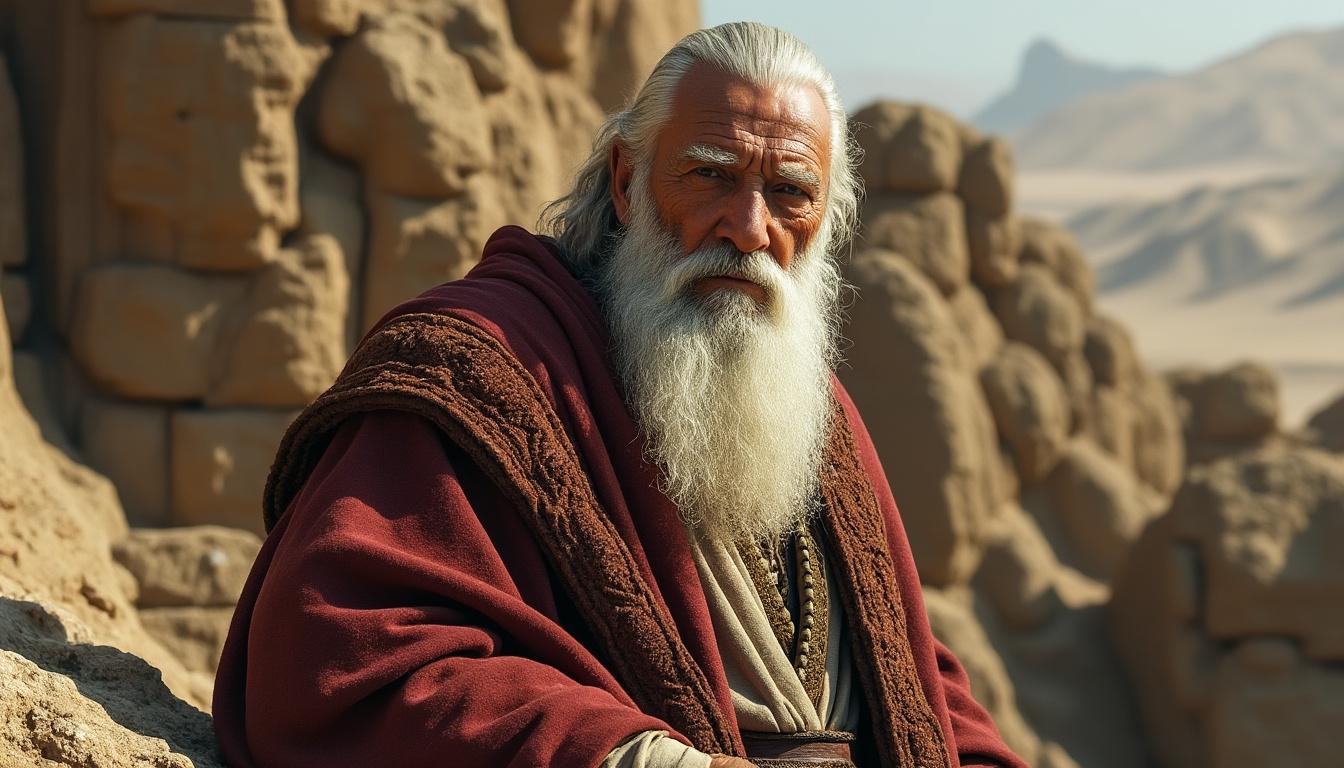
Ben Kingsley’s Transformation into Moses in The Old Stories
The recent unveiling of the official trailer for The Old Stories: Moses has ignited excitement among fans of historical drama. Academy Award-winning actor Ben Kingsley takes on the titular role in this new companion special tied to the successful series House of David. Set to premiere on Wonder Project’s Prime Video subscription this spring, the three-part series aims to explore profound narratives that predate the reign of King David, focusing on the life of Moses and the legacy that shaped modern Israel.

The trailer provides a glimpse into the film’s epic scope. Kingsley’s portrayal of Moses showcases his renowned acting prowess, capturing the complexity of the character who is both a leader and a reluctant prophet. Viewers witness stunning visuals, including that breathtaking moment when Moses parts the Red Sea, a pivotal scene emphasizing faith and divine intervention. The provided synopsis highlights the show’s intention to explore themes of courage, failure, and obedience, which resonate with audiences to this day.
Filmmaker Jon Erwin’s vision for this production is marked by a commitment to cinematic quality. He aims to present Moses‘s story with grandeur and intimacy, ensuring emotional depth alongside thrilling action. The cast also features O-T Fagbenle as the Pharaoh, bringing an engaging dynamic between the protagonist and antagonist, which is likely to add layers to the biblical story.
The Dynamics of the New Cast in The Old Stories
A deeper look into the casting choices for The Old Stories: Moses reveals a careful selection of talents designed to elevate the story. In addition to Kingsley and Fagbenle, the series introduces characters played by Louis Ferreira, Anna Khaja, and Rada Rae. Each of these characters promises to add depth to the intricately woven narrative.
For instance, Anna Khaja portrays Zipporah, the wife of Moses. Her role is expected to depict the human side of Moses, showcasing his responsibilities as a husband and father. This emotional connection is essential in humanizing a character often viewed through the lens of iconic miraculous events.
Moreover, Rada Rae as Avva brings another layer to the storytelling, potentially enriching the background against which Moses finds himself struggling with his destiny. Such casting choices are indicative of a broader trend in historical and biblical dramas, aiming to present iconic figures in a new light while focusing on family dynamics and relationships.
The Historical Context of Moses’s Story
To fully appreciate The Old Stories: Moses, it’s essential to dive into the historical context surrounding Moses’s life. As one of the central figures in multiple religious texts, including Judaism, Christianity, and Islam, Moses is pivotal in defining moral and ethical frameworks that persist today. His narrative is not just about miraculous events but also about striking a balance between leadership and vulnerability.
Historically, Moses is believed to have lived during a time of great turmoil in Egypt, where the Hebrew people were enslaved. The biblical accounts of his life offer insights into themes of liberation, faith, and divine justice, which remain poignant across generations. The epic trailer hints at exploring these complex themes through dramatic storytelling, framing them in a contemporary context that speaks to modern audiences.
The notion of liberation resonates even more significantly in today’s socio-political landscape. Issues of freedom, identity, and belonging continue to be prevalent, making Moses’s story timely and relevant. The series promises to engage viewers on these pressing matters, likely fostering discussions that extend beyond the screen.
Impact of The Old Stories on Modern Cinema
With the release of The Old Stories: Moses, there are high expectations for how this film will influence the genre of historical and biblical drama. Historically acclaimed films often set the tone for subsequent productions, shaping audience expectations and industry standards. This series, particularly starring a high-caliber actor like Kingsley, may well redefine how biblical stories are portrayed in contemporary cinema.
The use of innovative filming techniques, coupled with a strong narrative, positions this series as a potential game-changer in its genre. As audiences crave authenticity fused with compelling storytelling, productions like this can engage and attract diverse viewers, from casual fans to religious communities.
Another significant aspect of this cultural production is its release on streaming platforms. With the rise of streaming services, traditional ways of consuming cinema are rapidly changing. The ambitious project is likely to draw significant viewership—especially among younger audiences who might prefer on-demand content over traditional cable programming. Such a shift in consumption could significantly impact the film’s reach and discussion, propelling it to larger mainstream visibility.
Exploring the Theme of Faith in The Old Stories: Moses
One of the central themes of The Old Stories: Moses is undoubtedly faith. The biblical narrative details how Moses’s faith guided him through major tribulations, including his confrontation with Pharaoh and leading the Israelites to freedom. This theme serves not only as the foundation of the story but also as a lens through which viewers can examine their beliefs and interpretations of faith.
The portrayal of faith in the series is set against the backdrop of significant historical events, making the stakes feel even more real for both the characters and the audience. As Moses faces overwhelming odds, his reliance on his faith becomes a powerful message about resilience and hope—qualities that resonate deeply in contemporary society.
Moreover, the characterization of faith is multifaceted. It explores not just the faith Moses holds in a higher power but also the faith his people must exhibit to follow him into the unknown. This dynamic can offer viewers a nuanced understanding of what it means to trust in a leader and in the path ahead.
The Public’s Anticipation and Reception
The trailer for The Old Stories: Moses has already stirred significant public interest. With the trailer launch eliciting reactions across social media platforms, fans of both Kingsley and biblical epics eagerly await the premiere date. The combination of compelling visuals and a star-studded cast has fans theorizing about character arcs and possible plot twists, adding layers of anticipation.
- Exploration of uncharted narratives from the Bible
- High expectations for Ben Kingsley’s performance
- Engagement with themes of faith and leadership
As viewers prepare for the cinema premiere, discussions surrounding the historical accuracy of the series may arise. These dialogues can enhance the engagement with the film, enriching the experience and inviting deeper thoughts about how interpretations of historical figures impact current societal values.
A Look Ahead: Premiere Date and Future Implications
The anticipated premiere date for The Old Stories: Moses has not been officially disclosed, but it promises to be a significant moment in this year’s lineup of historical dramas. Given the appeal of the cast and the profound subject matter, expectations run high for the series to achieve both critical and commercial success.
The implications of this release extend beyond mere entertainment. As society grapples with complex issues such as morality, leadership, and collective identity, the themes explored in The Old Stories: Moses will undoubtedly resonate on various levels, contributing to ongoing discourse in the pop culture sphere.
| Key Information | Details |
|---|---|
| Title | The Old Stories: Moses |
| Starring | Ben Kingsley, O-T Fagbenle, Louis Ferreira, Anna Khaja |
| Genre | Historical Drama, Biblical Story |
| Expected Premiere | Spring 2026 |
| Platform | Prime Video |
As anticipation builds, the upcoming release of the trailer will continue to generate conversation and excitement around this important figure in history. Moses not only represents a rich cultural history but also encourages reflection on the human condition and those universal themes that connect humanity.