
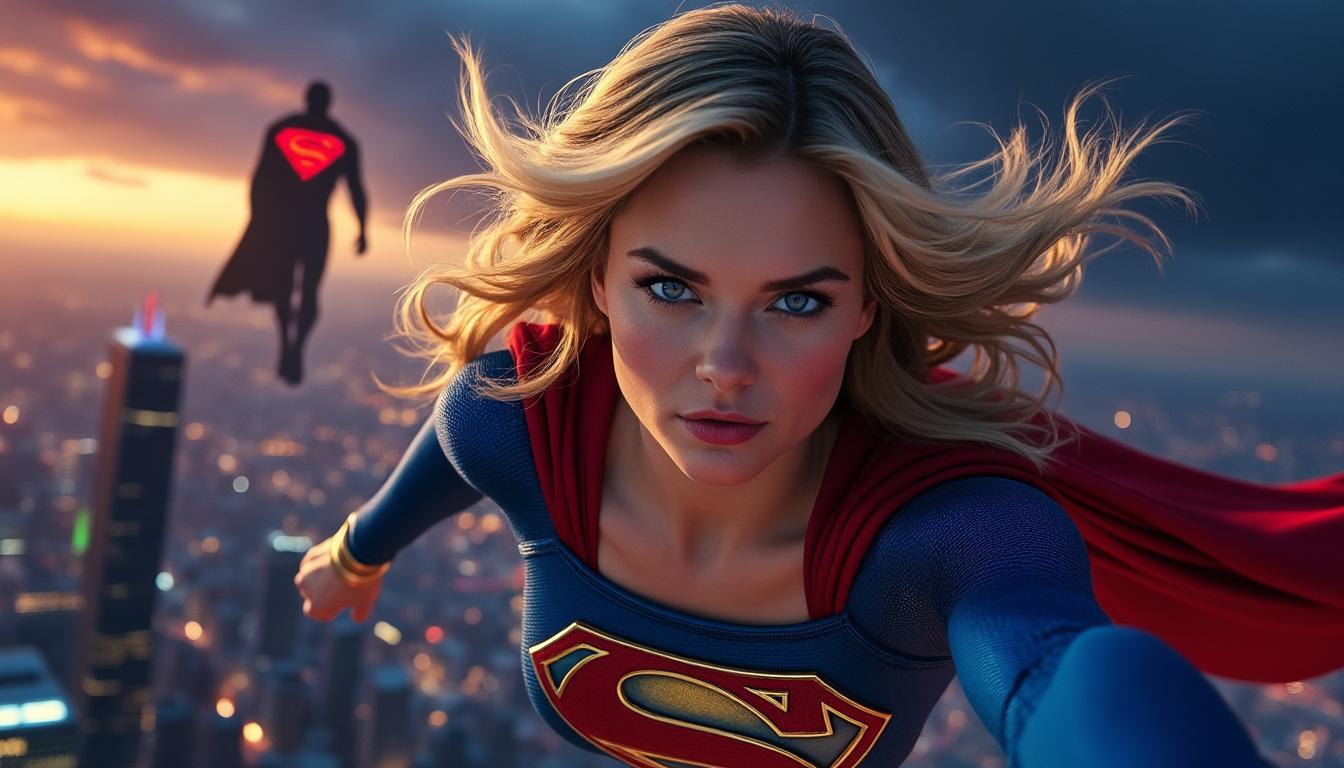
The Buzz Around Supergirl: Color Grading Controversy Divides Fans
The recently released trailer for Supergirl has ignited conversations and debates within the DC Universe. While there is a palpable excitement for the upcoming movie, one element seems to be creating a split among fans: the film’s color palette. Directed by Craig Gillespie, this entry in the ever-evolving DCU features Milly Alcock reprising her role as Kara Zor-El, the iconic superhero. The initial footage excited many, yet the recent trailer introduced a color grading that significantly shifted perceptions.
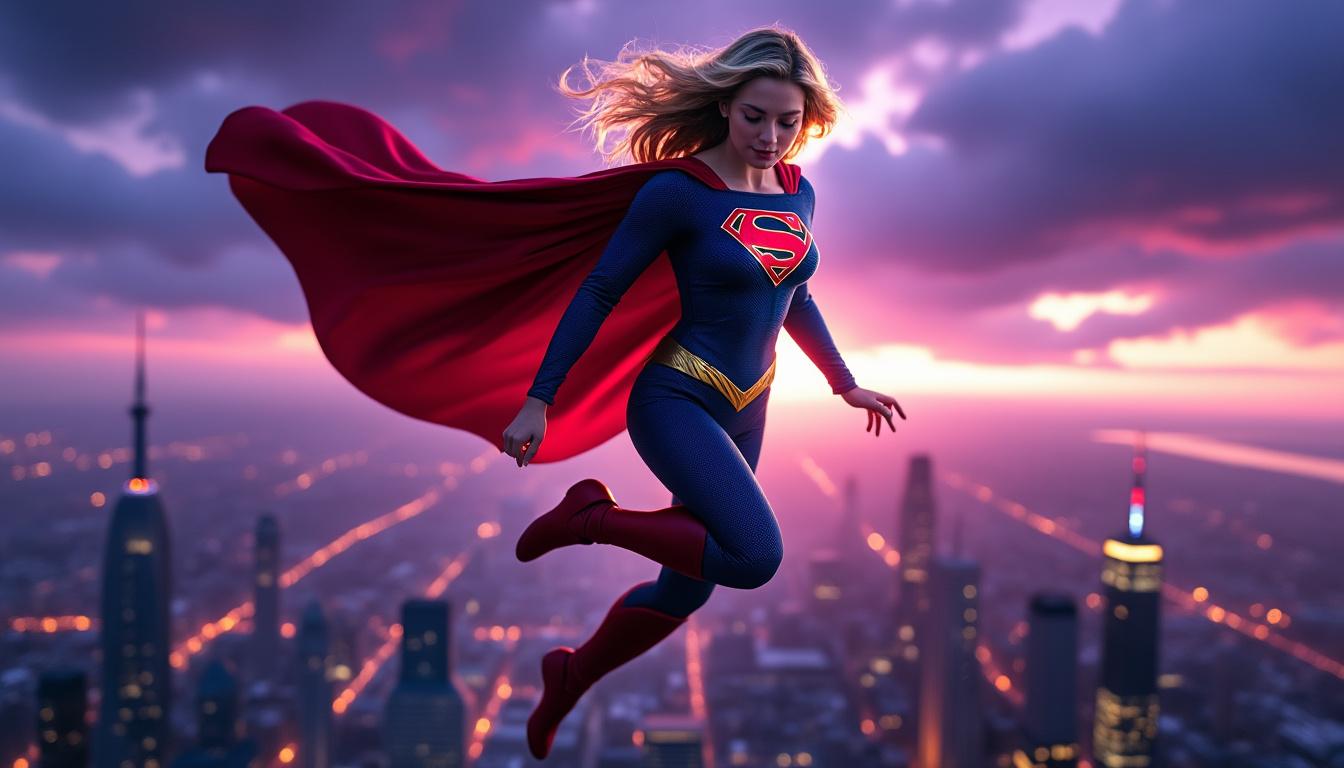
The predominant use of brown and yellow tones in the trailer has attracted mixed reactions. Some fans feel that this muted palette detracts from the vibrant lore of the Supergirl character, traditionally associated with brighter hues. In contrast, others appreciate this new aesthetic, believing it adds a layer of depth and sophistication to the overall cinematic experience.
Critical reactions to the trailer illustrate the divide:
- Lucy: “I’m still not sold on the look of this. Like where’d the color go? Why is it all brown and sandy?”
- Drew: “This looks fun but man I hope this brown and yellow color palette doesn’t last most of the movie.”
- Jakes: “NGL, this looks better than the first trailer, I love the visuals.”
This visual decision may not have been arbitrary. Critics theorize it could symbolize Kara’s internal struggles and the emotional burdens she carries as a result of her past, particularly the trauma of Krypton’s destruction. The artistic choice can be interpreted as a tool to mirror her journey from despair to resilience.
Given the growing discontent with the current direction of DC films, the divergence in fan reactions signals a nuanced relationship between the audience’s expectations and the filmmakers’ interpretations. Understanding this artistic vision will be key in judging the overall scope of the Supergirl movie.
Behind the Scenes: A Look at the Creative Team and Their Challenges
The creation of Supergirl is not merely a straightforward adaptation of existing comic lore. Under the direction of Craig Gillespie, the film is exploring fresh narratives and character arcs, rooted deeply in established lore yet diverging into new territory. Milly Alcock’s performance promises to be a standout, particularly as she transitions into the complexity of the character’s background.
One significant aspect of the storyline comes from the acclaimed comic series Supergirl: Woman of Tomorrow by Tom King and Bilquis Evely. This adaptation positions Kara Zor-El not just as a superhero but as a relatable character facing existential challenges. The solicitation for this comic outlines a story of a young woman struggling to find purpose in her life after the destruction of her home planet. Such depth adds layers to the character, making her journey compelling.
The film’s narrative centers around Kara’s depression and feelings of insignificance juxtaposed with her heroic expectations. The emotional resonance of her past creates tension, and her character development is framed through interactions with beings that challenge her notion of self-worth. When an alien girl approaches her seeking revenge, it propels Kara into a cosmic adventure that promises not only action but also personal revelations.
This emphasis on narrative complexity is crucial as it diverges from more traditional superhero tales, which often focus solely on physical battles. It highlights the importance of emotional stakes in stories that seek to engage contemporary audiences. Fans of comic adaptations, especially within the superhero genre, will likely appreciate this layered storytelling.
However, the creative decisions in the film’s adaptation process have not come without challenges. Balancing fan expectations with an innovative narrative approach can be contentious. Observers eagerly await how this balance comes together in the film’s execution.
Key Characters and Their Dynamics in the Supergirl Universe
The Supergirl film introduces a layered cast, and understanding these characters is integral to appreciating the film. Each character contributes to Kara’s journey, providing various perspectives and challenges that enhance the overarching narrative.
The character of Krem, played by Matthias Schoenaerts, presents a unique adversary. As part of the film’s rich tapestry, Krem is expected to embody both menace and complexity, pushing Kara to confront her past. Additionally, Jason Momoa takes on the role of Lobo, another pivotal character in the movie. Momoa’s portrayal of this anti-hero promises to introduce an element of unpredictability, likely creating both conflict and kinship in his interactions with Kara.
| Character | Actor | Description |
|---|---|---|
| Kara Zor-El | Milly Alcock | The titular hero grappling with her past. |
| Krem | Matthias Schoenaerts | An antagonist pushing Kara’s limits. |
| Lobo | Jason Momoa | The chaotic anti-hero adding unpredictability. |
| Alura In-Ze | Emily Beecham | Kara’s mother, representing her heritage. |
The relationships Kara forms with these characters play a significant role in shaping her journey. Each interaction will be instrumental in the development of her character arc, exploring themes of family, loss, and redemption throughout the film.
Ultimately, these characters bring a multi-dimensional aspect to the Supergirl movie, enabling a vast exploration of emotional and relational narratives. Fans of the comics can anticipate how these relationships will resonate throughout the story, deepening the emotional stakes of Kara’s heroic journey.
Anticipation and Expectations Ahead of Film Release
The build-up to the Supergirl film release is palpable among fans, with social media conversations highlighting both excitement and skepticism regarding the film’s direction. Scheduled for a summer 2026 debut, expectations are high given the tumultuous history of recent DC films. This anticipation is augmented not only by the promising cast but also by the creative potential locked within the source material.
This film aligns with a broader trend in Hollywood where audiences are increasingly demanding substance alongside blockbuster visuals. A more introspective take on superhero narratives could mark a turning point in the genre, steering it towards fulfilling stories that engage both the heart and mind.
As the release date draws nearer, many fans speculate about future trailers, casting decisions, and crossover possibilities within the DC Universe. Conversations about potential cameos and tie-ins with other superhero characters are rife, suggesting a vibrant, interconnected world that audiences have grown to love.
The film’s marketing strategy, particularly its use of the trailer to evoke conversation, reflects a conscious effort to engage audiences deeply. This could signify a shift in how superhero films approach audience engagement, focusing on eliciting emotional investment and curiosity rather than solely relying on action sequences.
Fan Reactions and Future Implications for the DC Universe
Reactions to the Supergirl trailer reveal much about the current state of DC fandom. The array of responses highlights not just excitement but also concerns surrounding the aesthetic choices and narrative direction. As discussions continue, the film serves as a lens through which fans can articulate their hopes and apprehensions about the future of the DC Universe.
Social media platforms have become vibrant forums where fans express their thoughts, offering insight into how the trailer’s release is perceived. Many anticipate how this film will influence upcoming projects in the DC pipeline. In a time when superhero fatigue has set in for some audiences, innovative approaches like that taken with Supergirl may pave the way for renewed interest.
- Fan theories about potential story arcs continue to swirl.
- Conversations about character depth and future crossover films are prevalent.
- The traction around this film reflects broader trends in superhero storytelling.
Such dialogues contribute to a deeper understanding of the evolving landscape of superhero narratives, suggesting that films must continue to adapt and resonate with their audiences’ desires. As the release date approaches, the power of fan reactions will undeniably influence not only the success of Supergirl but also the future of DC’s cinematic endeavors.