

Unveiling the Heist Comedy: Insights from the First Trailer Starring Nicholas Hoult
The cinematic world is buzzing with excitement following the release of the first trailer for a new heist comedy featuring the talented Nicholas Hoult, directed by the renowned filmmaker behind Deadpool 2. This film, titled How to Rob a Bank, made its debut at CinemaCon and offers a fresh take on the crime genre. Unlike traditional heist films that focus on the intricacies of planning a robbery, this one adds a quirky, modern twist, appealing to a generation that thrives on social media.
The film follows a group of robbers led by Hoult’s character, who turns their heists into a spectacle, documenting their escapades on a popular YouTube channel. With 31 million followers and a track record of 15 successful bank robberies, they embody a new breed of criminals—one that garners online fame while subverting conventional narratives. The trailer hints at a world where robbery is no longer just a crime but also an entertainment spectacle, blurring the lines between heroism and villainy.
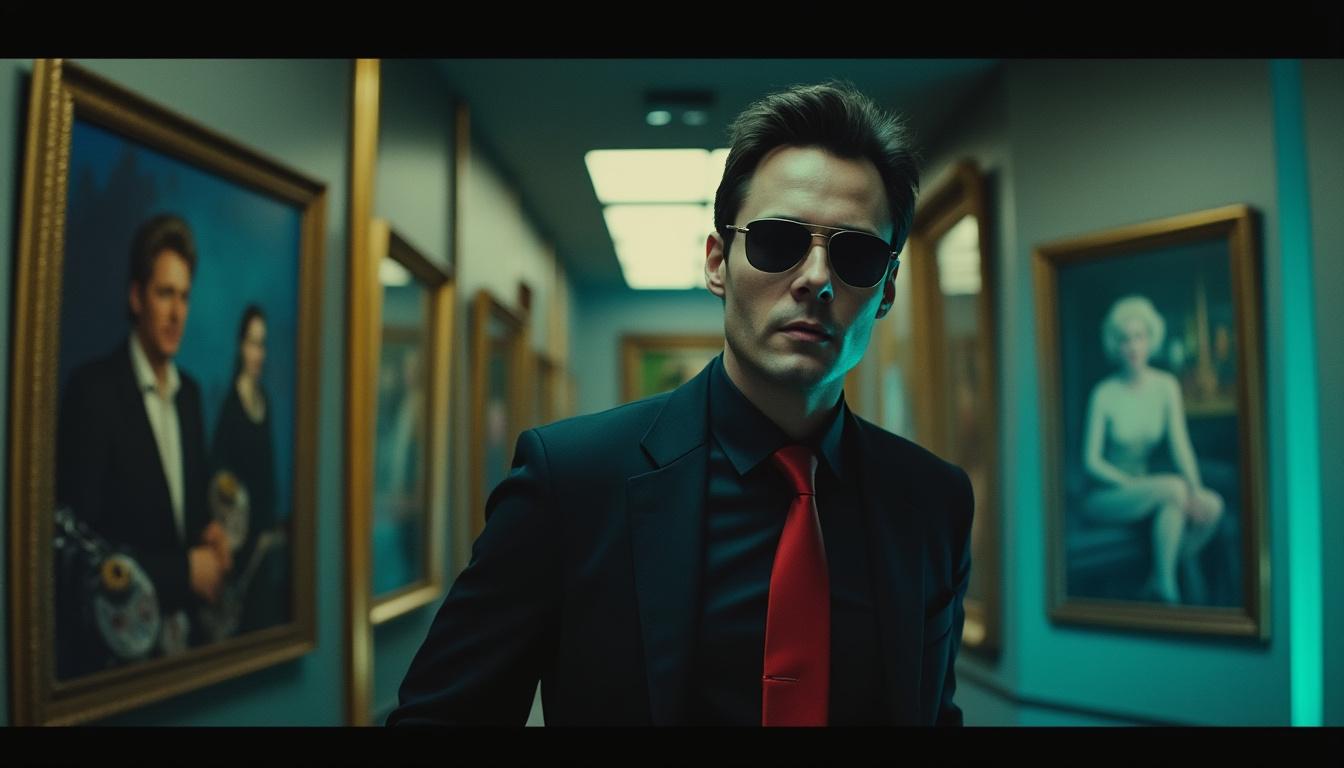
The aesthetics of the film are striking. Wearing animal masks, the crew embraces a theatrical approach to their crimes, encapsulated in Hoult’s distinctive wolf mask. This choice serves not only to mask their identities but to project a certain artistic flair, challenging viewers to consider the implications of their actions while maintaining a sense of enjoyment. The statement, “Make your outfits memorable, just have fun with it,” adds a layer of absurdity to their criminal endeavors, suggesting that in this movie, style is as crucial as substance.
Another interesting aspect highlighted in the trailer involves the ethics of their criminal operations. A crew member, portrayed by Pete Davidson, establishes a unique guideline: the money they rob must be redirected to a genuine cause, excluding platforms like OnlyFans, which he dismisses as “not a charity.” This character, along with the overarching theme, presents a satirical take on morality within the realm of crime, addressing questions about intent and consequence in a world where not everything is black and white.
The Characters and Their Motivations in How to Rob a Bank
At the core of How to Rob a Bank lies a diverse ensemble of characters who bring depth to the comedic narrative. Nicholas Hoult’s character serves as the charismatic leader of the group, embodying the film’s whimsical yet rebellious spirit. His portrayal is essential as he navigates the blurred lines of morality, challenging traditional perceptions of heroism in a world riddled with corruption.
The film introduces an FBI agent, played by John C. Reilly, whose dedication to apprehending the robbers adds a layer of tension to the plot. The contrasting motivations between the robbers and law enforcement create a dynamic that keeps audiences engaged. Reilly’s character elucidates the seriousness of the crimes committed, including “61 felonies”, emphasizing that the robbers are not just lads having fun but are operating within a system that has real repercussions.
Furthermore, supporting roles by Zoë Kravitz and Christian Slater draw attention to various facets of the narrative. Kravitz’s character adds complexity, likely offering insights into the robbers’ internal struggles or sympathies. Meanwhile, Slater, stepping in as the bank’s owner, serves as a representation of the wealth that the robbers target and perhaps a catalyst for their motivations. Each character contributes to a multi-dimensional exploration of values, ethics, and the absurdity of crime when paired with a comedic lens.
This blend of comedic flair and ethical dilemmas poses engaging questions about society. Why should one person’s crime be seen as another’s righteous battle? The dynamic relationships between these characters can be seen as reflective of the complex social structures from which they emerge, emphasizing that even individuals who appear to be on opposing sides may share underlying truths and motivations.
The Cinematic Aesthetic: Blending Humor with Action
The visual storytelling presented in How to Rob a Bank is crafted to engage audiences while maintaining a level of suspense typical of action films. Directed by a filmmaker known for dynamic visual narratives, this film ensures that humor does not overshadow the stakes involved in the heists. The clever juxtaposition of comedic elements and action sequences creates a balance that appeals to a wide audience, proving effective in garnering interest from both comedy lovers and action enthusiasts.
The vibrant cinematography celebrates the absurdity of the situations the characters find themselves in, from elaborate heist setups to the comical mishaps that ensue. Incorporating bright colors and quirky angles, the film appears to thrive on engaging visuals that enhance both the humor and the tension of the narrative. With each scene, the cinematographic choices consistently reinforce the themes of rebellion against a “corrupt and greedy system,” as articulated by the director during the CinemaCon presentation.
This unique visual approach not only heightens the comedy but serves to remind viewers of the underlying messages embedded within the narrative. As these modern-day “Robin Hoods” navigate their way through a world filled with pitfalls, their style and flair encapsulate an entertaining experience that keeps audiences on their toes. The film effectively conveys that humor can arise even in dire situations, suggesting a refreshing take on the echelons of crime and morality.
The Role of Social Media in Modern Heists
The premise of How to Rob a Bank pulls inspiration from contemporary societal trends, particularly the rise of social media. With their illegal activities documented on a YouTube channel, the robbers become a phenomenon, sensationalizing crime in almost reality-TV fashion. The concept of operatives thriving on virtual fame challenges traditional narratives, inviting audiences to reflect on how technology shapes behavior and perceptions.
In an era defined by Instagram stories and viral videos, this film captures the paradox of social media—where crime can be glamorized through entertaining portrayals. As these robbers gain millions of followers, one must question the wider implications: What does it mean to be famous in a digital age? How does the pursuit of attention alter moral compasses? This comedic take allows for an examination of fame’s ephemeral nature and its impact on the perpetrators and their audiences alike.
The film cleverly straddles the reality of crime with the fantasy often portrayed on social media platforms, raising questions about glorification versus accountability. Are these robbers truly “bad,” or are they merely products of a system that idolizes entertainment over ethical conduct? Within this cinematic landscape, the audience is left navigating their moral compass while enjoying the spectacle of it all.
Conclusion: How to Rob a Bank and Its Impact on Cinematic Trends
With the rising popularity of heist comedies and the exploration of modern themes, How to Rob a Bank stands as a compelling addition to contemporary cinema. By fusing humor with deeper ethical questions, the film challenges viewers to reconsider societal norms and the nature of crime. It also reflects a growing trend in cinema that explores the intersection of crime and entertainment, setting the stage for future filmmakers to delve into similar narratives.
As this blend of action and comedy unfolds, audiences can anticipate a thought-provoking adventure that resonates well beyond the big screen. Whether one finds inspiration through the characters or questions the motives underlying their misdeeds, the film promises both entertainment and insight into the complexities of modernity.
| Character | Actor | Role |
|---|---|---|
| Nicholas Hoult’s Character | Nicholas Hoult | Leader of the robbers |
| FBI Agent | John C. Reilly | Dedicates himself to capturing the robbers |
| Bank Owner | Christian Slater | Target of the robberies |
| Team Member | Pete Davidson | Sets the ethical ground rules for the gang |
| Another Team Member | Zoë Kravitz | Complex character adds depth to the team |