
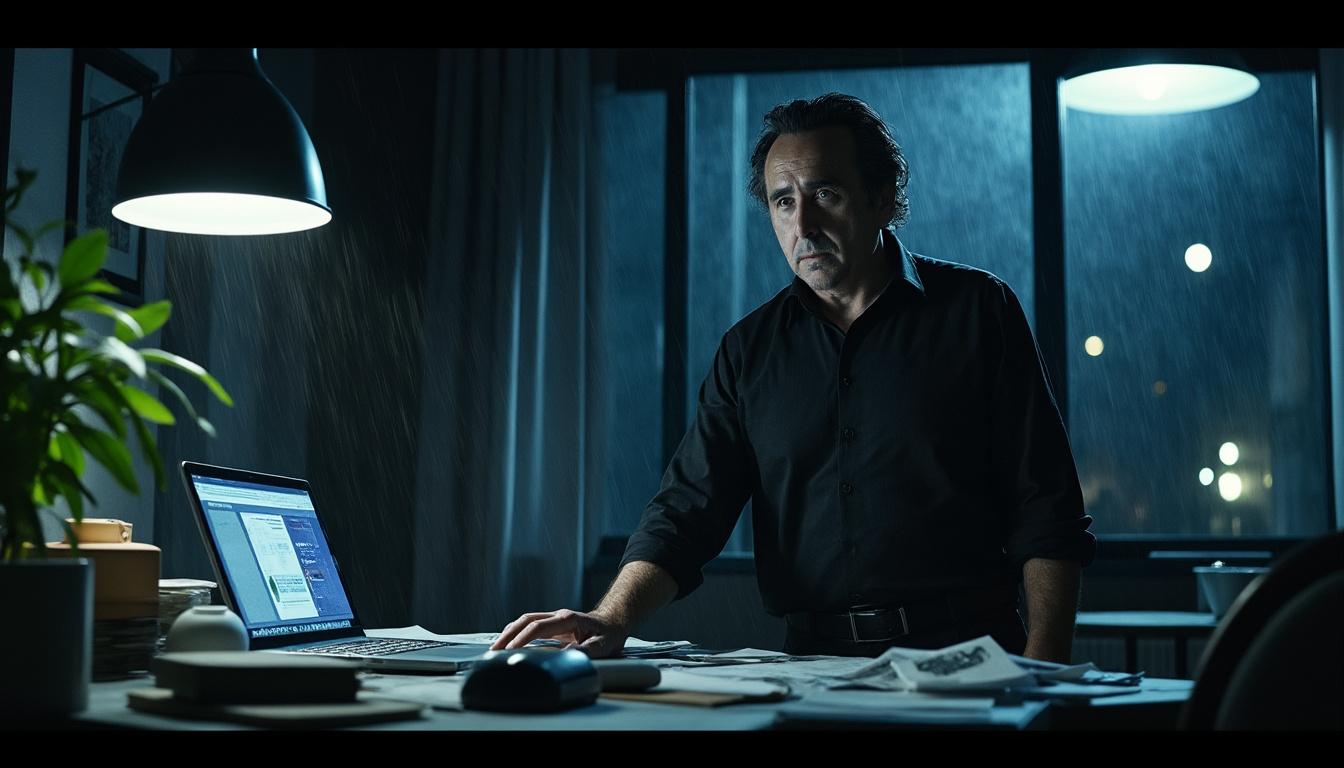
Nicolas Cage’s Masterful Performance in the 2021 Thriller
The film Pig, released on July 16, 2021, has garnered significant attention for its gripping storyline and the riveting performance by Nicolas Cage. This critically acclaimed thriller, written and directed by Michael Sarnoski, portrays the life of Robin “Rob” Feld, a solitary truffle hunter living in the serene yet isolated forests of Oregon. Cage’s ability to embody the reclusive character adds depth to the narrative, making it a standout in his diverse filmography.
In Pig, Rob leads a quiet life, marked by a weekly interaction with Amir, a young intermediary who assists him in selling truffles in Portland. However, this tranquil existence is shattered when his beloved pig is stolen. This pivotal event forces Rob to reconnect with a past he has tried to escape, leading him back to the hustle and bustle of city life, where he explores the underground culinary scene in search of his pig.
The dynamic between Cage and his co-star Alex Wolff, who plays Amir, is compelling and layered. As they navigate the murky waters of Portland’s world of gourmet food, their contrasting personalities intertwine, revealing deeper themes of loss, connection, and redemption. This exploration showcases Cage’s range as an actor, deviating from his typical over-the-top roles to deliver a nuanced performance that resonates with audiences.

The film’s reception from both audiences and critics has been overwhelmingly positive. With a stunning 97 percent rating on Rotten Tomatoes from critics and an 83 percent audience score, Pig has positioned itself as one of the best films of 2021. Reviewers praised Cage’s raw and emotional delivery, referencing it as a departure from his usual dramatic flair. One critic noted, “Cage gives an amazing performance, capturing the essence of a man who has lost everything.”
This unique narrative combined with Cage’s stellar performance has solidified Pig‘s place in cinematic history and marked it as a defining film in his career. The film is not just a thriller; it’s a poignant story that resonates deeply with anyone who has experienced loss.
The Cultural Impact of Pig as a Streaming Sensation
The departure of Pig from Netflix on May 26, 2026, has reignited discussions about its cultural significance and the shifting landscape of streaming content. In an age where films rapidly come and go, this thriller has managed to make a lasting impression, not only due to its storytelling but also because of its innovative approach to genre filmmaking.
Streaming platforms like Netflix have transformed the way audiences consume films, and Pig has benefited significantly from this transition. The thrill of discovering hidden gems on streaming platforms has led to increased viewership and engagement. As Nicolas Cage‘s film climbs the streaming charts, it reflects a growing appetite for indie and critically acclaimed movies, often overshadowed by blockbuster releases.
This trend indicates a cultural shift whereby viewers are eager to engage with content that challenges traditional narratives. Pig is a testament to this evolution, as it combines the elements of a thriller with profound emotional depth, creating a unique viewing experience. The film has prompted discussions about themes of grief and isolation, resonating with audiences globally.
As its departure nears, many fans have taken to social media to express their sentiments about the film. One fan remarked, “This film is not only the best film of 2021 but possibly a defining film for Cage’s career.” These responses emphasize not just the emotional connection audiences have with the film but also its artistic merit in cinema.
The impact of Pig extends beyond its temporary streaming availability. It has opened up conversations surrounding the importance of representation in cinema, particularly in indie films. The film has garnered multiple accolades, including recognition at the Independent Spirit Awards and nominations from prestigious film critics’ associations, marking it as a cornerstone in modern cinema.
The lingering question surrounding the film’s departure from Netflix prompts further reflection on viewing habits. As films like Pig leave platforms, audiences must exercise their viewing choices carefully, as the cinematic landscape continues to evolve. The film serves as a reminder of the importance of independent storytelling in providing fresh perspectives within the entertainment industry.
Exploring the Themes of Loss and Redemption
At its core, Pig is not merely a thriller but a profound exploration of loss and the human condition. The narrative encapsulates the struggle of Rob as he grapples with the loss of his pig, which symbolizes much more than just a companion. It acts as a catalyst that propels him back into a world he has long avoided. This journey offers rich insights into themes of connection and the impact of grief on individuals.
Rob’s relationship with Amir serves as a crucial element in his quest for redemption. Amir, initially motivated by financial gain, grows increasingly invested in Rob’s emotional journey, showcasing how unexpected friendships can arise from shared adversity. Through this dynamic, Pig captures the essence of human empathy and the fragile bonds formed in times of distress.
The film’s narrative structure allows for gradual character development, inviting the audience to accompany Rob on his journey of self-discovery. Each encounter Rob has in Portland serves as a reminder of his past and the mechanisms of loss. The film doesn’t shy away from depicting the raw realities of grief, as Rob confronts figures from his former life, forcing him to confront buried emotions and long-standing regrets.
Critics emphasize the film’s ability to engage viewers on a deeply emotional level. The dialogue is sparse yet poignant, allowing the visuals to convey profound messages without unnecessary exposition. This stylistic choice highlights the importance of silence and contemplation in understanding the complexities of personal tragedy. One critic remarked, “Boasting one of the most beautiful final shots of the last decade, Pig is for anyone who has ever yearned for the other side of loss.”
The way Pig deftly weaves this emotional tapestry serves to elevate it beyond a conventional thriller. It urges audiences to reflect on their own experiences with loss and the ways in which they navigate through grief. By humanizing the journey, the film fosters a sense of shared understanding, inviting viewers to engage deeply with Rob’s struggles and triumphs.
The Upcoming Departure of Pig: What It Means for Viewers
As members of the online streaming community gear up for the departure of Pig, many viewers are left wondering what this means for the future of such critically acclaimed films. The departure serves as a reminder of the impermanence of streaming platforms, compelling audiences to seize the moment to appreciate works of art that challenge them intellectually and emotionally.
The allure of immediacy in the streaming world often leads to a high turnover of content. However, films like Pig linger in the emotional landscape long after the credits roll. With its impending exit from Netflix, there is an urgency to revisit its profound themes and the remarkable performance of Nicolas Cage. Such films often find new waves of viewers who discover their impact well after initial releases.
Moreover, as viewers anticipate the film’s departure, many speculate on the potential for its reappearance on different platforms. The fluid nature of content rights means that films often experience a temporary withdrawal followed by a resurgence on other platforms. This cycle presents opportunities for audiences to rediscover gems like Pig, contributing to its enduring legacy in contemporary cinema.
Ultimately, while Pig may be leaving Netflix, its powerful narrative and emotional heft will remain accessible through various avenues, ensuring its place in discussions about impactful storytelling. As audiences navigate the streaming landscape, Pig stands as a poignant reminder of the importance of exploring films that provoke thought and connection, particularly in a world that often sidesteps deeper conversations.
Understanding the Artistic Journey of Nicolas Cage
Nicolas Cage has built a reputation as one of Hollywood’s most versatile actors, often oscillating between mainstream blockbusters and independent films. His role in Pig acts as a bridge between his versatile skillset and a type of cinema that prioritizes narrative depth and character introspection.
Cage’s ability to morph into diverse characters has long captivated audiences, allowing him to explore various dimensions of the human experience. While he has delivered iconic performances in action-packed movies like Face/Off and National Treasure, it is his more subdued performances, such as in Pig, that offer a glimpse into his artistry and dedication as an actor.
Critically acclaimed films often serve as a barometer for an actor’s growth, and Pig situates itself as a pivotal point in Cage’s trajectory. The depth of emotion he exhibits in this role invites conversations about the transformative power of cinema. As the film weaves themes of isolation, grief, and redemption, Cage’s portrayal remains authentic and thought-provoking, inspiring audiences to re-evaluate their perceptions of loss.
In addition to his individual performance, Cage’s collaboration with director Michael Sarnoski underscores the importance of partnerships in creating impactful narratives. The synergy between actor and director can elevate a film from a mere collection of scenes to an immersive emotional journey. As viewers reflect on the legacy of Pig, it becomes evident that Cage’s dedication to exploring the complexities of loss, coupled with Sarnoski’s vision, produced a film that resonates deeply.
Viewing Cage’s career as an evolving tapestry of artistry, one can appreciate how Pig aligns with the broader trends in cinema towards more introspective storytelling. As audiences increasingly seek substance over spectacle, works like Pig illuminate the dimensionality of human experiences and remind us of the stories still waiting to be told.