
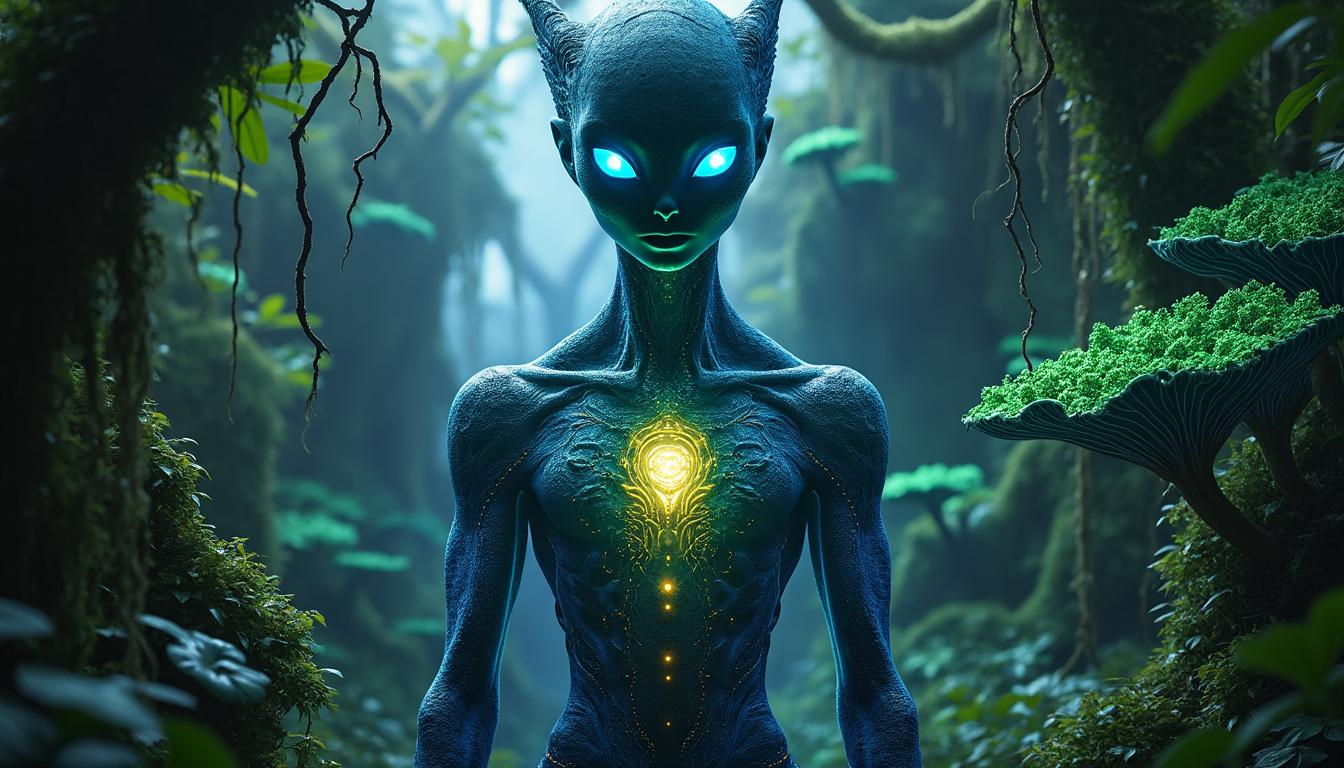
Exploring the Greatest Asset of Avatar 3: Cinematic Brilliance
Avatar 3, officially titled Avatar: Fire and Ash, stands out as a visually stunning cinematic experience. The filmmakers, particularly James Cameron, have honed their craft to create jaw-dropping visuals that push the boundaries of technology. The cinematography is not just about aesthetics; it shapes the storytelling and emotional engagement throughout the film. For instance, the breathtaking landscapes of Pandora have always captivated audiences, but this installment takes it a step further. Utilizing cutting-edge visual effects, the film offers a more immersive experience, showcasing the vibrant flora and fauna of Pandora in ways previously unimagined.
Captivating details, like the luminous marine life and the bioluminescent forests, pull viewers deeper into the narrative. This is essential for keeping the audience engaged, especially in a sequel where expectations run high. The profound impact of these visuals is supported by a powerful score, which enhances the emotional weight of critical scenes. Just as the visuals invite awe, the score elevates moments of tension, love, and despair.
However, reliance on cinematography and visual splendour could backfire. As audiences have become accustomed to breathtaking visuals due to previous entries in the franchise and other cinematic experiences, there are growing concerns that the film might fail to deliver on emotional and narrative depth. Critics are signaling that the emphasis on spectacle could overshadow character development and plot cohesion. This leads to an important question: how much spectacle is too much?

While the opening half of the film introduces dynamic characters, such as the new villain Varang, it remains to be seen if audiences will ultimately care about the stakes involved. The first act effectively sets up Varang as a formidable opponent, one whose nuanced portrayal provides a fresh perspective on the Na’vi. Yet, in cinematic circles, the concern remains that the film’s trajectory may lose sight of relevant character arcs in favour of grandiose encounters that prioritize visuals. Achieving a balance between the storytelling and spectacle is crucial for the success of Avatar 3. Future success may hinge on whether it can weave together an engaging plot without sacrificing its artistic integrity.
Character Development: A Double-Edged Sword
One of Avatar 3’s intriguing aspects is its character development—or the perceived lack thereof. The narrative introduces a fresh face in Varang, portrayed by Oona Chaplin, an antagonist whose presence captivates the audience right from her introduction. Her journey, along with the Ash People, initially appears to promise rich narratives about unity and conflict. However, as the film progresses, Varang’s story is sidelined in favor of exhibitions of technology and aquatic battles, adhering closely to the formula established in previous entries.
This shift raises questions about character arcs and emotional resonance. A gripping film requires viewers to connect with its characters on a deep level. When the narrative pivots to large-scale action sequences, the risk is that critical emotional beats will not receive the attention they deserve. For instance, just as Varang’s complexities begin to unfold, the focus shifts back to traditional conflicts between Jake Sully and Miles Quaritch. This diversion affects the pacing and engagement level, as audiences may find themselves disengaged from the characters they were initially invested in.
The reliance on expansive battles—akin to the climactic sequences of Avatar: The Way of Water—highlights that while huge action set pieces can thrill, they can also detract from meaningful storytelling. No movie exists in a vacuum, and audiences come to expect character growth alongside visual extravagance. Effective storytelling requires that each character—especially new ones like Varang—maintain a foothold in the overarching plot throughout the film.
Ultimately, Avatar 3 could excel by ensuring characters like Varang travel along growth arcs that resonate emotionally. This will not only enhance viewer engagement but ensure that the film delivers a satisfying balance between action and narrative. If neglected, the buildup of excitement may turn into audience apathy by the end credits, questioning whether the investment in character development was worthwhile.
The Box Office: Pressure on the Franchise
Avatar 3 is expected to face immense pressure at the box office, not only due to the historical success of its predecessors but also due to the hefty investment that has gone into its production. Early projections indicate that the film needs to surpass box office records to continue the saga into its fourth and fifth installments. Analysts suggest that despite the high expectations, Avatar 3 may face a challenging road ahead. Critics are already pondering whether the anticipated audience reception will translate into ticket sales.
The franchise has already grossed an astounding $5.2 billion globally across its previous films. However, does this guarantee that audiences will once again turn out in droves? Comparisons are being drawn to other film sequels and franchises that struggled under their weight of expectations, reflecting on how previous records sometimes overshadow the art of film-making itself.
This leads to a crucial consideration for Cameron and the production team. High expectations can lead to greater scrutiny. Elements like storytelling quality, character relatability, and thematic depth will be evaluated through the lens of box office performance, making each element critical. If the film cannot replicate the emotional highs of the first two installments, audiences may find themselves disappointed regardless of the dazzling visual appeal.
The box office predictions also remain contingent upon competition from other releases during the same period. In 2025, the cinematic landscape is rich with options, raising the stakes for how Avatar 3 will perform amid this crowded slate of anticipated films.
| Film | Estimated Box Office Gross | Release Date |
|---|---|---|
| Avatar: Fire and Ash | $1.5 billion (estimated) | December 19, 2025 |
| SpongeBob Movie | $600 million (estimated) | December 2025 |
| Marty Supreme | $500 million (estimated) | December 2025 |
Audience Reception: The Balancing Act of Expectations
The audience reception of Avatar 3 might prove to be a double-edged sword. On one hand, the film embodies the spectacular visuals and elaborate world-building that fans have come to love; on the other hand, viewers are increasingly unforgiving when it comes to narratives that lack depth. With the release of the film, audiences will undoubtedly carry expectations shaped by the groundbreaking nature of the original Avatar in 2009.
However, what may have once felt groundbreaking risks feeling repetitive for today’s audience, as cinematic innovations have become more prevalent across various genres. While Avatar 3 comprises grand visuals, the critical challenge will be to convince viewers of its unique narrative substance. If audiences feel that the film simply recycles elements from its predecessors without introducing fresh themes or storylines, the backlash could be swift. The spectre of disappointment looms large among critics and casual viewers alike.
To mitigate potential harsh reactions, the film must achieve a delicate balance. One method could involve deepening audience engagement through sophisticated narrative techniques. Crafting complex emotional arcs while maintaining the awe of visual experiences can ensure that audiences leave the theatre satisfied.
Discussions surrounding Avatar 3 increasingly center on its potential to be a turning point for the entire franchise. If the film captures the essence of both artistic brilliance and narrative depth, it could solidify the future for Avatar 4 and 5. If not, audiences may find themselves questioning the franchise’s direction, asking whether the impactful visuals alone can carry a sequel.
Conclusion: The Final Frontier for Avatar 3
With the buzz surrounding Avatar 3, both anticipation and skepticism fill the air. Armed with impressive technical achievements and narrative ambitions, the film stands at a pivotal moment. Its greatest asset—the breathtaking visual storytelling—could ironically become its downfall if not balanced with solid character arcs and compelling plots. As audiences prepare for the release, the outcome of Avatar: Fire and Ash will inevitably shape the franchise’s trajectory for years to come.