
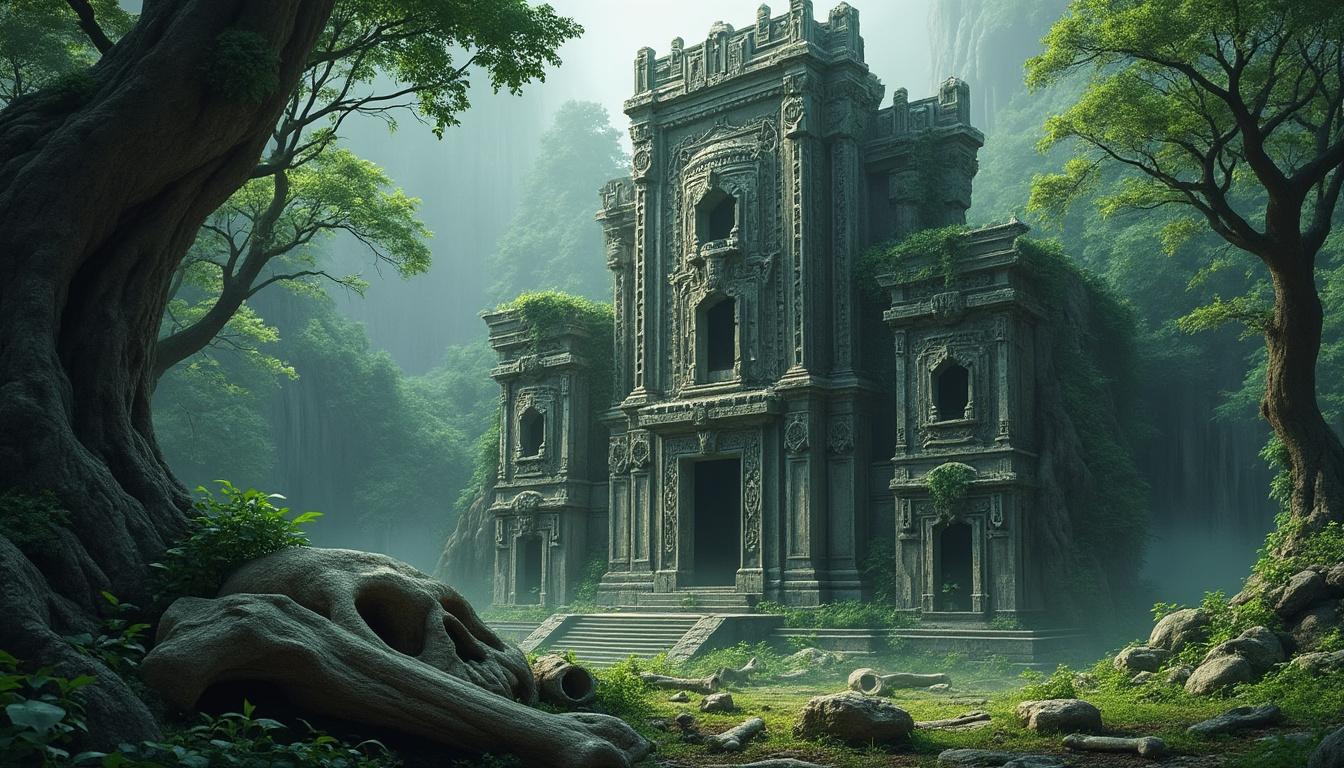
Understanding the Bone Temple: A Deep Dive into 28 Years Later
The Bone Temple, the latest installment in the iconic 28 Days Later franchise, has emerged as a focal point for fans and newcomers alike. Released in 2026, it deepens the narrative and reshapes the landscape of post-apocalyptic horror in an innovative manner. Unlike its predecessors, this installment shifts the focus from the chaotic nature of zombie encounters to the more profound nuances of human relationships formed in extreme circumstances. As the story of the Bone Temple unfolds, fans will witness how survival transcends the mere presence of threats and delves into the psyche of its characters.
Dr. Ian Kelson, played by the esteemed Ralph Fiennes, continues his journey from the previous film, 28 Years Later. The narrative pivots around his shocking new relationship, which leads to consequences that could drastically alter their world. How he interacts with this new bond amid ongoing chaos is crucial. The presence of Jimmy Crystal (portrayed by Jack O’Connell) and his terrifying gang adds another layer of complexity to the story. This gang, made up of children, doesn’t just hunt zombies; they seek out human lives, posing an even more chilling threat. This shift paints a portrait of desperation and moral ambiguity in a world where the infected are not the singular focus of terror.
As anticipation builds for audiences visiting the Bone Temple, it’s essential to grasp the nuances of the storyline. Before diving into the film, it’s beneficial to refresh one’s memory on the series’ lore. Those eager to prepare should explore resources like looper.com, which provides a recap to help set the stage.
Travel Preparation for the Ultimate Experience
Visiting the Bone Temple isn’t merely about catching a film; it’s an adventure that requires some travel preparation. Understanding the cultural context and environment surrounding the film can significantly enhance the viewing experience. Here’s a travel guide to get the most out of your visit.
Firstly, securing tickets in advance is essential, especially given the film’s popularity. The Bone Temple promises to attract crowds, so securing seats at your local cinema as early as possible will prevent disappointment. The buzz surrounding the film means many are likely to embark on a pilgrimage of sorts to experience it firsthand.
Furthermore, delve into the filmmakers’ backgrounds. Knowing about the visionary director Nia DaCosta’s previous works and how they inspire this installment adds a layer of appreciation. DaCosta’s unique style, mixing horror with profound societal commentary, is evident throughout the film. Watching some of her prior movies can provide context that enhances the upcoming viewing experience.
When planning the visit, consider enjoying pre-movie activities. Engage in discussions with fellow fans through forums or local film clubs. Sites like empireonline.com offer insights and articles that might spark meaningful conversations that amplify your excitement.
Besides the film itself, strive to create a themed day around your viewing. Enjoy dishes inspired by the film and discuss its themes while waiting for the screening to begin. Such activities can enrich the watching experience and make for memorable moments.
Cultural Insights: The Significance of the Bone Temple in Horror Cinema
Examining the Bone Temple reveals more than just a thrilling horror film; it reflects cultural commentary that resonates with contemporary audiences. The franchise has always expressed societal fears and human conditions through horror, and this film is no different. It centers on inhumanity, how the remnants of civilization can be more terrifying than the actual monsters.
The Bone Temple captures this essence brilliantly. As characters like Dr. Kelson grapple with their moral compass amidst chaos, the underlying message about the fragility of humanity comes to the forefront. The film redefines the horror genre by shifting the spotlight from the external threats posed by zombies to the psychological horror of the characters themselves. The depiction of children, once innocent, now reduced to savagery under Crystal’s influence, amplifies these sentiments.
Moreover, the evolution of the series can be seen clearly in this film. Instead of being merely about survival against zombies, it poses questions about loyalty, morality, and what it means to be truly human. This thematic evolution can spark debates and discussions, particularly in settings such as local film festivals or clubs, encouraging audiences to consider their perspectives on societal collapse.
For those unfamiliar with the franchise’s underlying themes, articles like polygon.com provide rich insights into how the Bone Temple fits into this narrative lineage. They break down the film’s significance in the horror genre and engage viewers in a deeper understanding of what they’re about to watch.
Exploring the Lore: What Makes the Bone Temple Unique?
The unique focus of the Bone Temple on the lore surrounding the infection speaks volumes about its ambitions as a story. While earlier films emphasized raw horror, this installment takes a slower, more contemplative approach. The evolution of the virus, and Dr. Kelson’s attempts to memorialize the zombies, showcases how horror can be intertwined with empathy. This contrast is significantly intriguing for audiences following the franchise.
Dr. Kelson’s journey to uncover the deeper truths of the virus and seeking to understand its implications reflects a profound shift in the narrative. Rather than seeing the infected as mere monsters, the film encourages viewers to gain understanding and context for their existence. This layer adds a richness to the characters’ experiences and motivations, transforming the hardened landscape into a space for exploration and understanding.
As the unsettling nature of Jimmy Crystal and his gang contrasts with the infected, it draws sharp lines between different forms of terror. The background of government experiments and societal breakdown lends itself to rich storytelling opportunities. In this, both external and internal conflicts serve as drivers of the narrative.
| Aspect | Significance |
|---|---|
| Dr. Ian Kelson’s Role | Exploration of the infected as beings with a past. |
| Jimmy Crystal | Human embodiment of horror and savagery. |
| Shift in Focus | From zombies to the morality of survivors. |
Understanding these elements can drive home the thematic richness of the film, elevating the viewing experience beyond simple genre entertainment.
What to Expect: Anticipated Questions and Themes
As fans gear up for the Bone Temple, several anticipated questions linger. What does the film aim to resolve regarding the previous storylines? Will it succeed in developing the themes hinted at in 28 Years Later? Engaging with these questions will sharpen viewers’ expectations when they finally set foot in the cinema.
Critics have noted some concerns, particularly regarding the treatment of the infected. The consensus suggests that the infected occupy a marginal role compared to earlier installments. Particularly, they are cited as existing more as a backdrop than a central driving force. This shift might disappoint traditional horror fans looking for action-packed sequences filled with visceral zombie encounters. However, it emphasizes the film’s unique approach to horror, showcasing the dangers of human interaction in existential crises.
Ultimately, understanding these dynamics prepares audiences for a broader exploration bound to intertwine horror with the weaknesses and strengths of humanity. Insights from resources such as screenrant.com help frame these inquiries, guiding fans through the intricate layers of storytelling to appreciate what lays ahead in the Bone Temple.
In conclusion, being well-prepared by grasping the key elements of the Bone Temple fosters a more enriching viewing experience. Understanding the evolution from 28 Years Later, diving into cultural insights, and unpacking anticipated themes will enable audiences to walk into the cinematic experience with clear expectations. While the focus on human interaction over sheer terror may redefine the movie in some eyes, the depth it brings will resonate long after the credits roll.