

The Transition from Screen to Reality: Jerry O’Donnell’s Journey
After capturing the hearts of viewers as a seasoned law enforcement officer on screen, the real-life journey of Jerry O’Donnell marks an inspiring chapter. Known for his compelling roles in shows like Bosch, Mad Men, and The Young and the Restless, O’Donnell’s shift from the world of television to becoming a rookie police officer in North Carolina exemplifies a profound commitment to service.
At the age of 65, O’Donnell has stepped away from Hollywood glitz to embrace the rigors of police training with the Asheville Police Department. This career metamorphosis is no small feat, especially for someone who has spent decades portraying police characters. He aims to transition his on-screen skills into practical law enforcement work, embarking on a new and challenging path.
O’Donnell’s training regimen is anything but easy. It includes intensive physical workouts, such as stair runs, burpees, and push-ups, all designed to prepare him for the demands of real police work. The physicality required for this new journey calls upon his background; O’Donnell’s experience in the 82nd Airborne of the U.S. Army lays a solid foundation for his rigorous training. He expressed his gratitude for being able to serve, highlighting the sense of purpose this new chapter brings him. His sentiment resonates deeply as he noted, “I want to be all used up… dirty, scarred up, a little bloody, and spent” by life’s end.
As O’Donnell immerses himself in police training, he not only faces physical challenges but also mental ones. The pressure to perform in fieldwork and complete Basic Law Enforcement Training is immense. Still, he welcomes it with an open heart, appreciating the opportunity to make a real difference in his community. It’s not just about playing a part; he’s ready to embody the role of a police officer fully. This determination showcases the blend of passion and perseverance that is commendable.
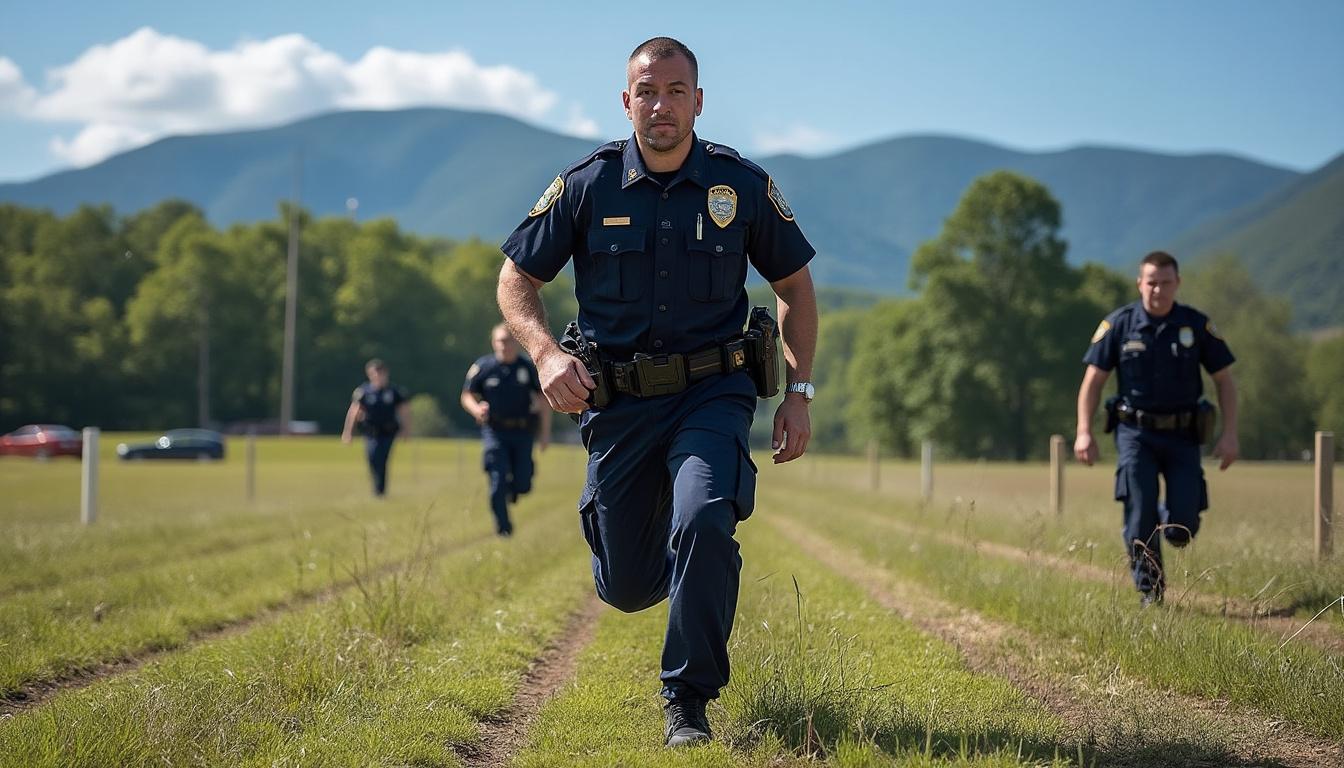
The unfolding of O’Donnell’s journey raises interesting discussions about the relationship between fiction and reality in law enforcement. Does a background in acting better prepare someone for police work, or does the reality of the job surpass the dramatization of it? Throughout history, many actors have transitioned into public service or used their clout to promote social causes. They often bring a unique perspective shaped by their experiences in front of the camera. In O’Donnell’s case, he combines his acting prowess with his military discipline and authentic drive to serve the public, creating a merger of realistic experiences and expectations.
The implications of this transition also stretch beyond O’Donnell. His career shift can be a source of inspiration for others, illustrating that it’s never too late to embark on a new journey or to seek fulfillment in serving one’s community. The real-world pressures and expectations that come with the badge challenge traditional perceptions of law enforcement portrayed in media, showcasing a more nuanced picture of what it truly means to be a police officer today.
| Training Component | Description | Duration/Intensity |
|---|---|---|
| Physical Training | High-intensity workouts, including burpees and stair runs. | Daily sessions |
| Basic Law Enforcement Training | Focus on legal knowledge and community policing. | Several months |
| Field Work | Hands-on experience with seasoned officers on the streets. | Several months |
The Reality of Police Training: What It Takes
Transitioning to real-world law enforcement is a transformative experience, both physically and mentally. The demands placed on new police recruits can be exceptional. O’Donnell’s training illustrates this transition perfectly, reflecting a dedication that pushes the boundaries of conventional aging narratives.
The specifics of police training are crucial for preparing recruits to handle the complexities of law enforcement. Programs usually cover various areas, including physical conditioning, legal education, and tactical procedures. New recruits are faced with realistic simulations and scenarios designed to instill quick decision-making skills under pressure. Here’s a breakdown of essential aspects of police training:
- Physical Fitness: Maintaining peak physical condition is crucial, as officers must be agile and fit.
- Legal Education: Understanding the law is paramount for enforcing it effectively.
- Tactical Procedures: Learning emergency response tactics and crisis management.
- Community Engagement: Developing skills to interact positively with diverse communities.
- Real-World Simulations: Practicing shoot/don’t shoot scenarios to enhance decision-making in high-stakes settings.
O’Donnell shares insights into navigating the unfamiliar world of police protocols, which can feel overwhelming, especially when layered upon the weight of real consequences. The rigorous training parallels an actor’s rehearsal process, where the stakes become incredibly real upon graduation. Learning to balance empathy with authority is key to effective policing in today’s society.
Importantly, the respect and integrity that surround law enforcement are values O’Donnell embodies in his approach. As he embarks on this journey from an iconic portrayal of a police officer to a real-world rookie facing the challenges ahead, he brings with him a wealth of experience and enthusiasm, advocating for a more profound understanding of the responsibilities that come with the badge.
Community Impact: Serving Beyond The Badge
As Jerry O’Donnell progresses in his police training, the broader implications of his journey begin to unfold. Beyond the intense physical and mental grind within the police academy’s walls lies the ultimate goal of serving the community with empathy and purpose. O’Donnell’s decision to join law enforcement at this stage of his life speaks volumes about community commitment.
As a former actor known for portraying law enforcement roles, O’Donnell’s path raises valuable questions regarding the influence of media representation on public perception of police work. The idea that *Hollywood* narratives can impact real-world interactions—be it through respect, fear, or hope—has real implications for today’s policing. The portrayal of police in shows like Bosch undoubtedly shapes societal views, but the reality on the streets is governed by dynamics that require adaptation and growth.
His involvement within the Asheville community signifies an opportunity for genuine engagement. The crux of modern policing lies not solely in enforcement but in relationship building, understanding community issues, and taking actionable steps toward facilitating change. This empathy-driven approach strives to foster trust and cooperation between law enforcement and communities.
- De-escalation Training: Prioritizing methods to minimize conflict.
- Community Outreach Programs: Engaging community members in conversations regarding safety and support.
- Transparency Initiatives: Building trust through open communication about law enforcement practices.
O’Donnell’s approach to community policing embodies these principles, positioning him to bridge the gap between perceptions and realities. He recognizes that real police work stems beyond responding to crimes; it involves stabilizing community relations through proactive initiatives that address root causes of crime.
| Community Engagement Strategy | Purpose |
|---|---|
| Community Policing | Fostering trust and understanding between officers and community residents. |
| Public Forums | Open discussions to address community safety concerns. |
| Youth Programs | Engaging young people with mentorship and educational opportunities. |
The Lessons Learned from Portraying Law Enforcement
O’Donnell’s decades-long experience portraying police officers has undoubtedly influenced his transition into real-life law enforcement. The skills and insights gained through characterization can be an asset, offering a unique perspective on police interactions and the nuances of dealing with crime situations. His transition illuminates several important lessons learned from his portrayal of law enforcement that can be pertinent in the field:
- Understanding Human Behavior: Fictional narratives often delve deep into the psychological aspects of criminality, which can enhance an officer’s ability to read situations in real-life scenarios.
- Empathy Development: Working on characters that reflect diverse backgrounds helps cultivate empathy towards real people facing challenges.
- Communication Skills: Engaging dialogue in scripted scenarios can polish interpersonal communication techniques crucial in the field.
The complexity of human interactions depicted in shows like Bosch emphasizes the vital role of communication in de-escalating tense situations. This is a lesson O’Donnell carries forward to his interactions as a police officer. Understanding the context of situations is paramount. Whether dealing with victims or suspects, the nuances of human emotions must be navigated with patience and careful consideration.
O’Donnell’s ability to empathize with individuals from various walks of life enhances his approach to policing. He realizes the significance of seeing the person behind the crime—ensuring that policing isn’t merely an act of enforcement but an intricate dance of human connection.
It is this heartfelt reflection on both his past and present that inspires not only his fellow trainees but the community members he engagement with too.