
Why The Big Lebowski Remains a Classic Coen Brothers Film
The Coen Brothers have left an indelible mark on the film industry with their unique storytelling and distinctive style. Among their expansive repertoire, *The Big Lebowski* stands out not only as a quintessential example of their artistry but also as a significant chapter in the realm of cult films. Released in 1998, this quirky crime comedy features Jeff Bridges as the unforgettable Jeffrey “The Dude” Lebowski, whose life spirals into chaos due to a case of mistaken identity.
This film has achieved cult status over the years, regularly quoted and referenced in popular culture, and it continues to attract new audiences. The bizarre mélange of dark humor, eccentric characters, and chaotic narratives defines the hallmark of the Coen Brothers. From the struggle for recompense over a ruined rug to an eccentric bowling escapade, the quirky elements that permeate *The Big Lebowski* highlight the distinctive charm that draws viewers in.
Moreover, this film showcases a cast that brings to life a world steeped in idiosyncrasies. John Goodman embodies Walter Sobchak, a gun-toting Vietnam veteran whose short temper adds to the film’s comedic chaos. Julianne Moore plays the avant-garde artist Maude Lebowski, bringing a whirlpool of eccentricity, while Steve Buscemi rounds out the core cast as the hapless Donny. The chemistry between these characters adds depth while enhancing the absurdity of their circumstances.
*The Big Lebowski* transcendes beyond merely being a film; it has become a cultural phenomenon, encapsulating a 90s vibe that resonates with audiences. The film was preserved in the United States National Film Registry in 2014 for being “culturally, historically or aesthetically significant.” This recognition solidifies its status as more than just entertainment; it is emblematic of a unique cinematic era.
The unique storytelling of the Coen Brothers is exemplified by *The Big Lebowski* through its offbeat narrative structure and unique character arc, which defy conventional cinematic norms. This contributes to its ongoing legacy in the world of cinema and indie films.
Exploring the Themes and Motifs of The Big Lebowski
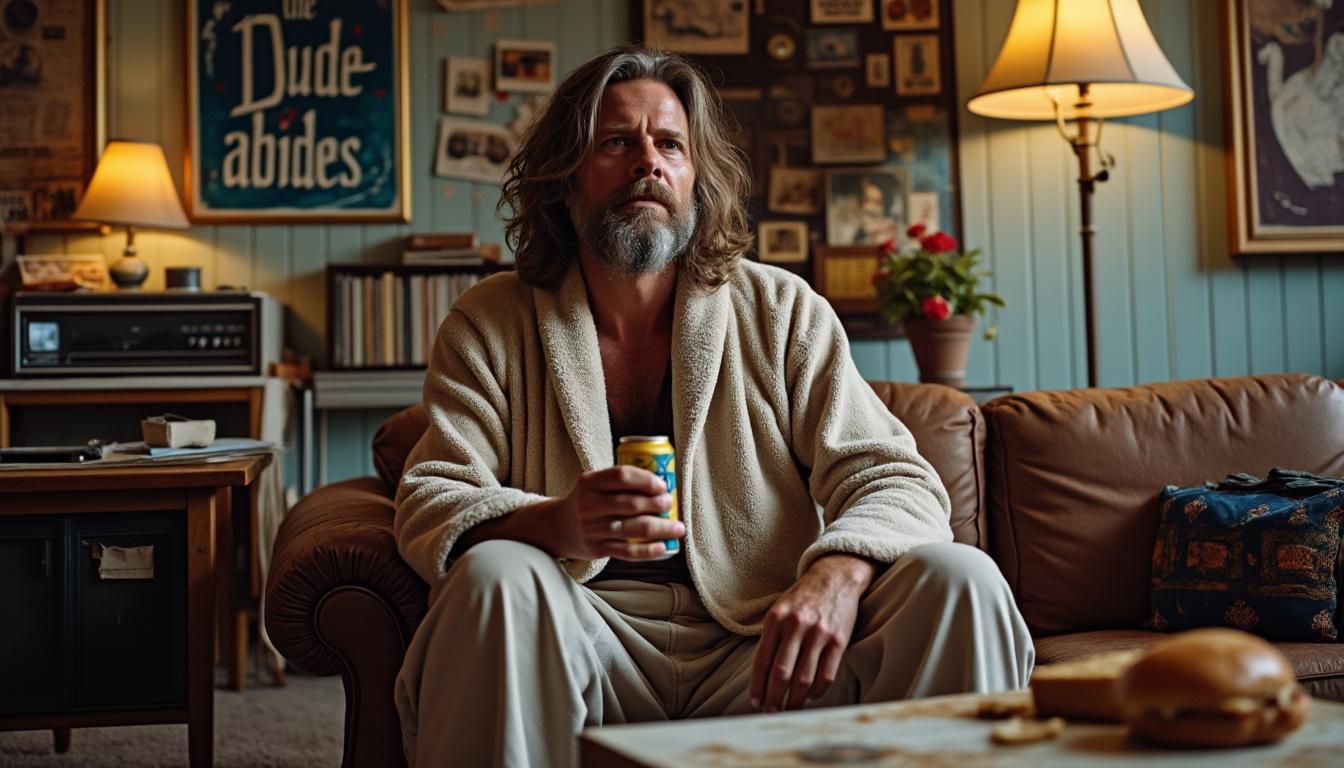
The thematic complexity of *The Big Lebowski* enriches the viewing experience. The film intertwines elements of disillusionment, identity, and the unending quest for meaning in a chaotic world. The narrative masterfully juxtaposes the mundane with surreal occurrences. As The Dude navigates through the perplexing plot, viewers are led to ponder the overarching significance of life’s trivialities.
At the heart of the film lies a profound sense of existential questioning. The Dude embodies a laid-back philosophy, embodying the mantra of going with the flow, in stark contrast to Walter’s aggressive and confrontational demeanor. The clash between these opposing outlooks signifies an ongoing internal struggle faced by many.
What stands out is how the film examines the concept of identity, particularly through the mistaken identities that drive the plot. The consequences from the incident involving the two thugs urinating on The Dude’s rug set into motion a series of absurd events, leading to unexpected alliances and confrontations.
Character Analysis
Every character in *The Big Lebowski* contributes to its narrative fabric, making them not just mere participants in the story but symbols of greater themes. The Dude represents the archetypical slacker, with his carefree attitude and profound indifference about the chaos surrounding him. This contradictory nature provides an avenue through which audiences can engage with broader discussions concerning self-identity and societal expectations.
Walter Sobchak serves as the film’s moral compass—or perhaps the lack thereof. His over-the-top zeal contrasts sharply with The Dude’s passivity, creating a bizarre but dynamic duo. Their interactions present a comedic yet insightful critique of masculinity, friendships, and the absurdity of violent extravagance.
Moreover, the film’s surreal dream sequences further serve as a vehicle for exploring the subconscious. The dream scenes highlight The Dude’s inner conflicts, providing a visual metaphor that discusses the blurred lines between reality and fantasy. This approach emphasizes the chaotic nature of life that challenges conventional norms and logic.
How The Big Lebowski Influenced Modern Cinema
Over the decades, *The Big Lebowski* has significantly influenced indie films and modern cinema. Its unique storytelling, characterization, and humor have paved the way for filmmakers to explore unconventional narratives and character-driven stories. The film’s impact can be seen in various independent films and series that have emerged post its release, many embracing its offbeat style and cultural commentary.
Filmmakers like Kevin Smith and Edgar Wright have cited *The Big Lebowski* as an inspiration for incorporating humor amid serious themes, creating a roadmap for blending genres effectively. For example, Smith’s *Clerks* utilizes a similar approach of everyday absurdities, echoing the mundane yet chaotic life of The Dude. Likewise, Wright’s *Shaun of the Dead* combines comedy and horror, drawing from the Coen Brothers’ legacy of genre-bending narratives.
The film’s dialogue and character quotes have entered popular culture, fostering catchphrases that persist throughout time. Phrases such as “The Dude abides” have seeped into everyday language, reinforcing the film’s far-reaching impact on society.
The Cult Following and Related Events
The cult following surrounding *The Big Lebowski* has manifested in various events, including Lebowski Fest, a festival celebrated across the United States that brings fans together to revel in all things Lebowski. This event continues to pay tribute to the film’s significance in the film landscape, reinforcing community bonds among enthusiasts. Fans often dress up, bowl, and participate in trivia contests, celebrating their shared affinity for the cult classic.
- Lebowski Fest: An annual celebration dedicated to the film.
- Cultural Conferences: Exploring the film’s impact on art and society.
- Themed Merchandise: Clothing and items that showcase beloved quotes and characters.
The Connection Between The Big Lebowski and the Coen Brothers’ Cinematic Legacy
*The Big Lebowski* stands as an essential pillar in the Coen Brothers’ body of work, encapsulating their mastery in weaving humor and absurdity seamlessly into film narratives. It is intriguing to note that the film is part of a continuous evolution in their filmmaking journey, which also includes iconic films like *Fargo* and *O Brother, Where Art Thou?* These films exhibit a similar balance of humor combined with darker undertones, showcasing their versatility as filmmakers.
One striking parallel can be drawn between *The Big Lebowski* and *Fargo*, both films exploring life’s absurdities through their characters’ misadventures. While *Fargo* presents a darker, crime-focused narrative, *The Big Lebowski* embraces a sense of humor that transforms dire situations into comedic escapades. This disparity highlights the Coen Brothers’ ability to navigate various tones seamlessly.
Preservation in Cinema History
The film’s preservation in the United States National Film Registry signifies its critical acclaim and cultural significance. It resonates well beyond its initial reception and continues to inspire filmmakers and audiences alike. The lasting appeal of *The Big Lebowski* exemplifies how important film can engage with cultural discourses, resonate through time, and ultimately define genres. As these discussions about the film reinvigorate interest, new generations are encouraged to discover its rich narratives and distinct characters.
As it debuts on Prime Video today, *The Big Lebowski* opens its doors to a broader audience, allowing both new viewers and seasoned fans to revel in the cult classic’s charm and wit. The film’s cinematic allure unites diverse demographics, tethering them together through shared laughter and contemplation.
A Deeper Look at the Characters and Their Journeys
In *The Big Lebowski*, character development is paramount, with each individual bringing something unique to the narrative. A thorough exploration of the characters reveals their intricate relationships and personal journeys, further cementing the film’s enduring legacy.
The Dude’s character arc revolves around the notion of embracing chaos. He is portrayed as the ultimate slacker, a modern anti-hero whose laid-back attitude contrasts sharply with the chaos surrounding him. This juxtaposition provides viewers with a lens through which they can examine their own responses to life’s unpredictability.
Walter Sobchak, on the other hand, provides comedic relief but also serves as a representation of hypermasculinity, capturing the essence of a man unwilling to adapt in an ever-evolving world. His character offers insight into issues of identity, loyalty, and friendship, contributing significantly to the film’s themes.
The Role of Female Characters
While the film is often discussed in terms of its male protagonists, the women in *The Big Lebowski* play a pivotal role in advancing the narrative and highlighting the film’s themes. Characters like Maude Lebowski are not just plot devices; they provide depth and perspective. Maude acts as an independent, strong-willed character who challenges traditional gender norms, showcasing the diversity of women in cinema.
This layered storytelling underscores the film’s complexity, cementing its relevance in contemporary discussions around representation in media. The characters in *The Big Lebowski* reflect not only a specific era but also cross-cultural conversations that resonate today, emphasizing the importance of varied voices in cinema.
| Character | Actor | Role in the Film |
|---|---|---|
| The Dude | Jeff Bridges | Protagonist navigating absurdities |
| Walter Sobchak | John Goodman | The Dude’s impulsive friend |
| Maude Lebowski | Julianne Moore | Independent artist challenging norms |
| Donny | Steve Buscemi | Comic relief and loyal friend |