
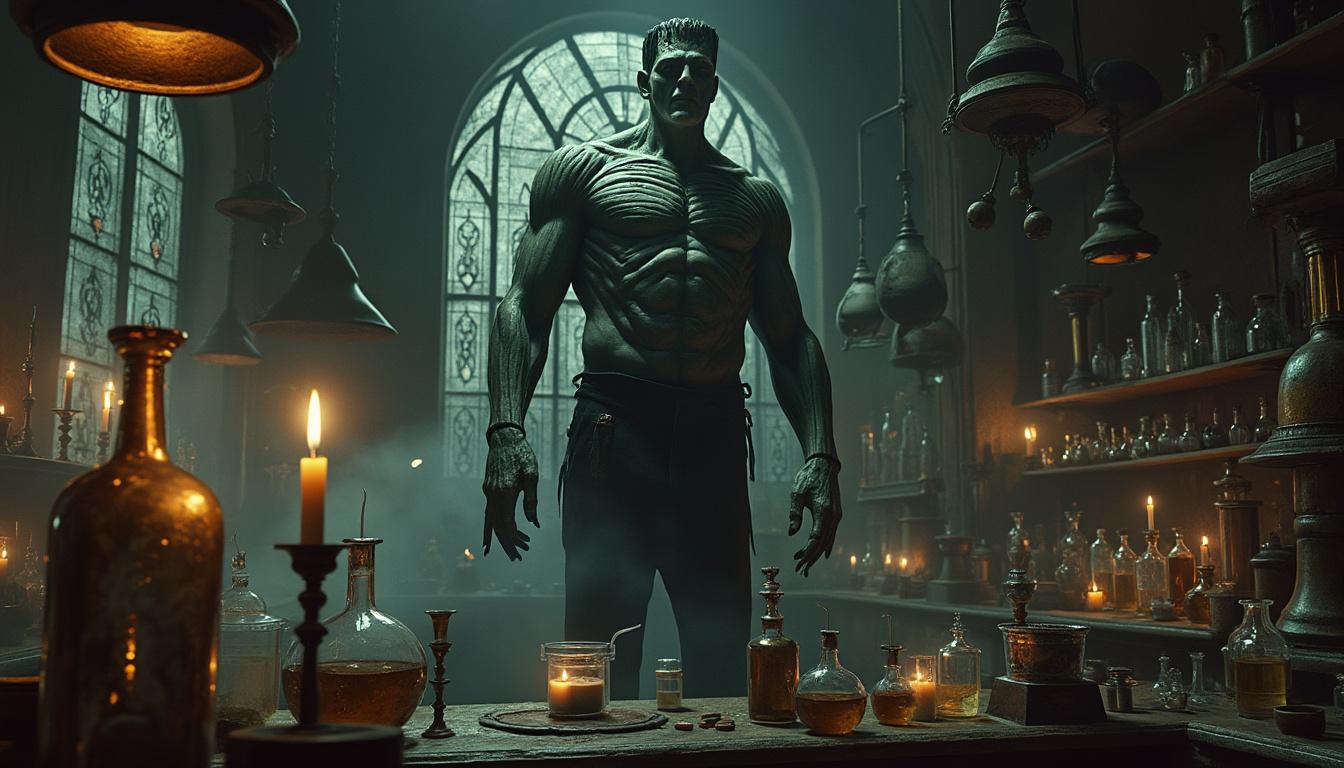
Reviving the Legend: The Story Behind The Curse of Frankenstein
The Curse of Frankenstein, released in 1957, is a cinematic milestone that redefined the horror genre and set the stage for subsequent adaptations of Mary Shelley’s classic work. Created by Hammer Films, this film was not only a box office sensation but also helped to establish the studio’s reputation as a purveyor of Gothic horror. The narrative focuses on Baron Victor Frankenstein, portrayed masterfully by Peter Cushing, who becomes obsessed with the reanimation of the dead, leading him down a path of madness and moral decay.
Unlike previous adaptations, this rendition emphasizes Frankenstein’s character rather than his monstrous creation, making the Baron himself the true monster of the story. As he delves deeper into the dark arts, his quest for knowledge becomes a harrowing tale of obsession, betrayal, and the thirst for power. This approach offers a fresh perspective on the original text, allowing audiences to explore the psychological depths of both creator and creature.
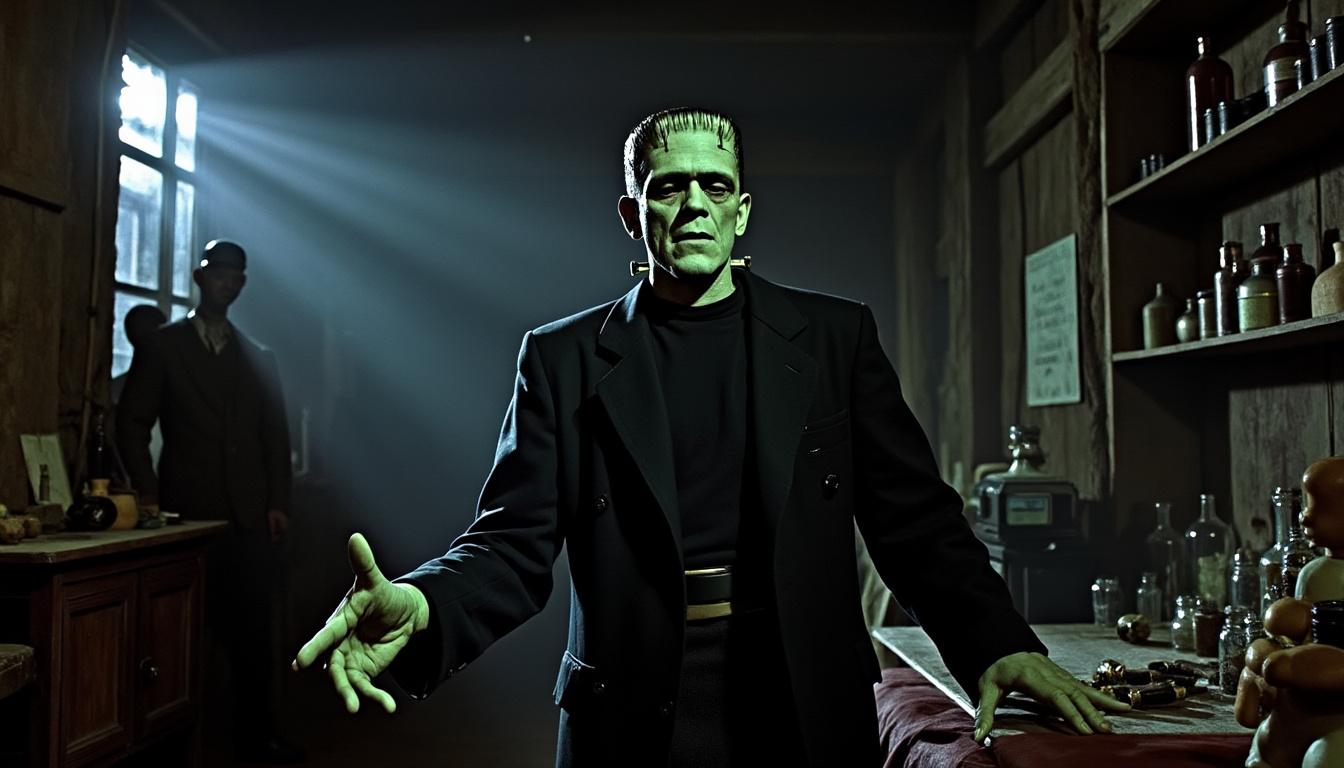
The film’s significance is further underscored by its stunning visuals and haunting score, which enhance the chilling atmosphere throughout the narrative. It’s fascinating to consider that this classic horror movie is often credited with launching Hammer’s iconic Gothic horror cycle, paving the way for a series of similarly themed productions that captivated audiences. The engaging storyline, coupled with performances by legendary actors Cushing and Christopher Lee—who plays the monster—has ensured that The Curse of Frankenstein remains an enduring favorite.
As the film has recently received a fresh 4K restoration, this revival sheds new light on its exceptional cinematography and storytelling. In discussing the restoration, it’s essential to highlight the diligent efforts undertaken by the Hammer team in collaboration with the Warner Archive Collection. The result is a visually stunning and audibly rich experience that deeply respects the original material while introducing it to a new generation of viewers.
The Importance of Film Restoration
Film restoration is vital in preserving the legacy of cinematic classics, enabling audiences to experience them as they were intended. The Curse of Frankenstein’s restoration is a testament to this necessity, allowing for the recreation of stunning visuals and sound that had been lost over time. The 4K UHD Deluxe Collector’s Edition features significant upgrades that enhance the overall viewing experience.
- 3 Aspect Ratios: Viewers can choose between the UK theatrical version (1.66:1), a 1.37:1 open matte version, and the US theatrical cut (1.85:1), providing options that cater to different viewing preferences.
- High Dynamic Range (HDR): This technology revitalizes color and detail, making the film’s blood-red hues and shadowy corners pop like never before.
- Audio Enhancements: A new 5.1 surround sound mix complements the classic DTS-HD 2.0 mono audio, offering an immersive experience that highlights the film’s atmospheric soundtrack.
The successful restoration of The Curse of Frankenstein is an important marker in film history, emphasizing how much care is needed to ensure that such timeless horror classics remain accessible and relevant. This endeavor not only preserves the artistry of classic horror but also ensures that future audiences can appreciate the innovative techniques utilized by Hammer Films in the 1950s.
Overall, the film’s narrative, characters, and visual aesthetics come together to form a powerful exploration of the man versus monster trope, which resonates with themes of hubris and moral ambiguity. As viewers revel in the restored beauty of The Curse of Frankenstein, they are invited to reflect on the eternal question: what truly defines monstrosity?
The Characters and Performances: The Heart of The Curse of Frankenstein
At the core of The Curse of Frankenstein are complex characters brought to life by exceptional performances. Peter Cushing’s portrayal of Baron Victor Frankenstein is both powerful and nuanced. Cushing captures the character’s shifting emotions, from passionate curiosity to cold detachment, as he grapples with the ethical dilemmas of his experiments. This multifaceted depiction offers audiences a glimpse into the mind of a man who ultimately loses control over his monstrous creation.
In stark contrast stands Christopher Lee’s interpretation of the Creature. Initially depicted as an innocent being, misunderstood and mistreated, Lee’s performance evokes sympathy even as the character transforms into a force of horror. This dynamic interplay between creator and creation forms the emotional underpinning of the film, inviting viewers to question who the real monster is.
| Character | Actor | Description |
|---|---|---|
| Baron Victor Frankenstein | Peter Cushing | A brilliant but reckless scientist whose ambition leads to his downfall. |
| The Creature | Christopher Lee | A tragic being created by Frankenstein, struggling against his own existence. |
| Elizabeth | Hazel Court | Frankenstein’s fiancée and a voice of reason amidst the chaos. |
The supporting cast also adds depth to the narrative, each character playing a vital role in depicting the moral unraveling of Frankenstein. Elizabeth, portrayed by Hazel Court, provides a critical perspective on Frankenstein’s actions, embodying the voice of reason in the face of madness. Her steadfast love for Frankenstein reveals the personal cost of his obsessions.
This intricate character work is crucial in establishing a layered narrative that transcends the traditional horror tropes. The Curse of Frankenstein delivers a poignant exploration of ambition, loss, and the consequences of defying natural laws. As viewers watch the downfall of Victor Frankenstein, they are compelled to scrutinize their understanding of morality and humanity.
Special Features and Bonus Content: A Treasure Trove for Fans
The Curse of Frankenstein 4K restoration comes packed with an abundance of bonus features that cater to both new and long-time fans. The three-disc set includes two 4K discs showcasing the film in various aspect ratios, along with a bonus Blu-ray filled with intriguing content. This level of commitment to providing additional material reflects the enduring legacy of this horror classic and offers a deeper dive into its making.
- Commentary Tracks: Four commentary tracks featuring film historians provide insights into various aspects of the production, enhancing the viewing experience by shedding light on the film’s legacy.
- Documentary Features: In-depth documentaries dive into the film’s makeup artistry, screenwriter Jimmy Sangster’s contributions, and the overall legacy of the Hammer Horror brand.
- Behind-the-Scenes Tributes: The extensive bonus content includes tributes to Peter Cushing, ensuring that his contributions to cinema are not forgotten.
The sheer volume of content included in this set is staggering; there are over four hours of engaging material aside from the commentaries. This provides a comprehensive history of The Curse of Frankenstein, making it a must-have for any cinephile.
This degree of detail serves to enrich the viewing experience and cultivate a greater appreciation for the film’s artistic and technical achievements. Enthusiasts will find themselves engrossed not only in the movie itself but in the broader story of its creation and impact on the horror genre.
The Impact of The Curse of Frankenstein on Modern Horror
The influence of The Curse of Frankenstein extends far beyond its release, resonating with filmmakers and audiences alike. Its bold reimagining of Shelley’s narrative and its visceral interpretation of horror continue to inspire modern adaptations and horror narratives. The successful blend of psychological depth, moral quandaries, and stunning aesthetics established a new template for horror films that would be explored in later decades.
In addition to its profound impact on cinematic horror, the film has been referenced in popular culture, including recent adaptations of Frankenstein. Guillermo del Toro’s upcoming film adaptation highlights the enduring legacy of the character and the timeless themes of creation and monstrosity. This connection reaffirms that the questions posed by Shelley’s tale are as relevant today as they were in the 19th century.
| Influenced Films | Key Elements |
|---|---|
| Mary Shelley’s Frankenstein (1994) | Character-driven approach, emotional complexity of the monster. |
| Frankenstein (1931) | The exploration of the creator’s regret and the monster’s plight. |
| Victor Frankenstein (2015) | Focus on the relationship between creator and creation, highlighting moral dilemmas. |
| Reimaginings in TV Series | Ongoing reinterpretations in series like Penny Dreadful. |
As contemporary filmmakers draw inspiration from The Curse of Frankenstein, it is clear that the film’s legacy is firmly entrenched in the evolution of horror cinema. Audiences are continually drawn to the dark complexities of the human condition explored in this classic, ensuring its relevance through the ages.