

Understanding the Challenges of Musical Film Production Through Cynthia Erivo’s Perspective
Cynthia Erivo, the acclaimed star of Wicked 2, recently opened up about the intricate and demanding nature of creating a film musical. Her perspective highlights the myriad challenges that artists face in this unique genre, which combines elements of theater, acting, singing, and dancing. Each of these components must work in harmony to create a seamless performance, something that Erivo passionately discusses. In her view, the process of transforming a stage musical into a cinematic experience involves more than just reciting lines or singing songs; it’s about crafting a cohesive narrative that resonates emotionally with the audience.
One of the central challenges identified by Erivo is the transition from spoken dialogue to musical numbers. She articulates this idea by noting that it’s vital to make each moment of song feel organic and justified within the narrative context. “It’s very hard to pull off,” she stated, emphasizing that characters often need to reach a climactic emotional point to warrant bursting into song. The delicate balance between dialogic moments and musical interludes can often create a tension in storytelling that must be carefully navigated. This tension is further complicated by the need for every performance element—acting, singing, and dancing—to be executed flawlessly in a manner that maintains audience immersion.
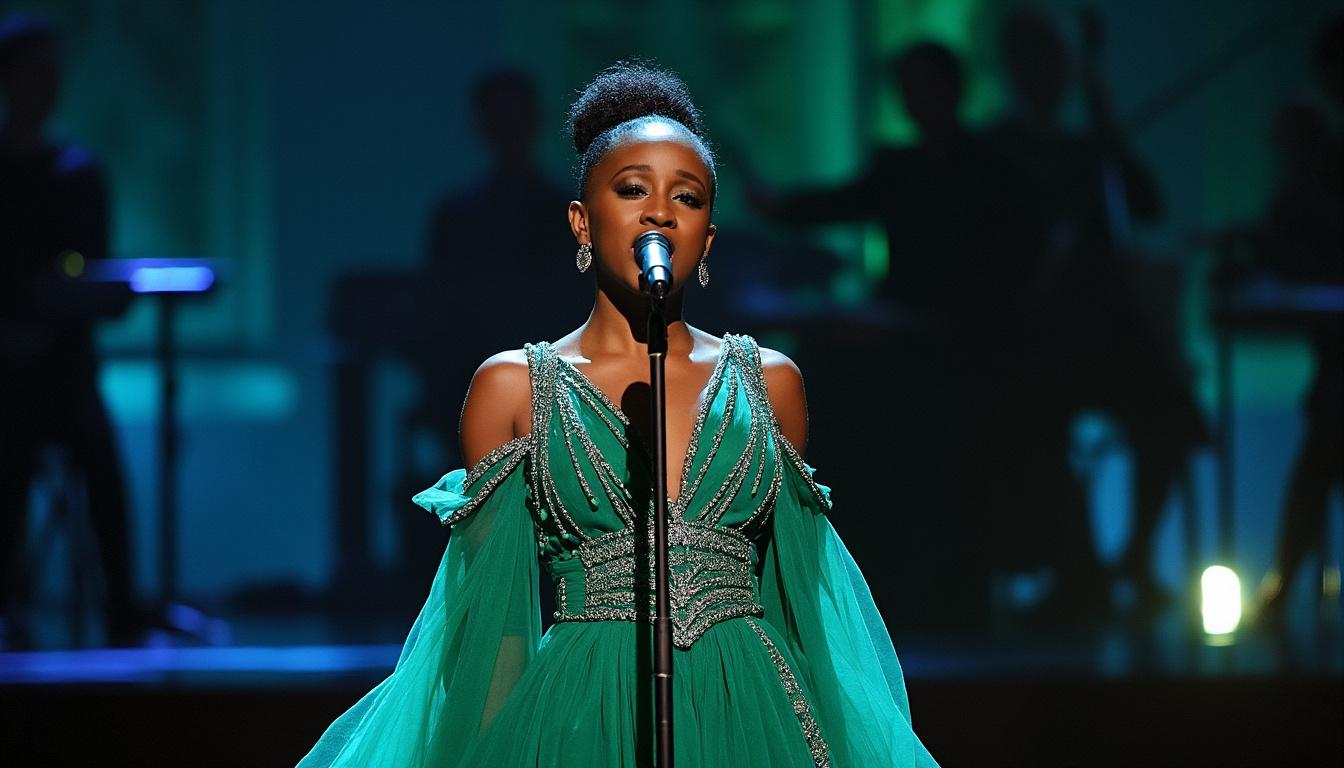
The importance of skilled direction cannot be overstated in this creative process. Jon M. Chu, the director of Wicked 2, has been credited by Erivo for his ability to facilitate these transitions expertly. In a recent interview, she acknowledged his remarkable aptitude for finding the “invisible thread” that allows characters to seamlessly shift from speaking to singing. This facilitates a deeper connection with the audience, as it makes each musical moment feel like a natural extension of the narrative. As Erivo notes, the silence that comes between the dialogue and the music is just as crucial as the musical performances themselves, as it sets the emotional stage for what follows.
This intricate dance of emotion and artistry is not confined solely to the realm of acting but stretches into the components of stagecraft and choreography. Coordination of movement, musicality, and the emotional beats within a performance can be likened to a complex dance, where every step must be both precise and expressive. For artists like Erivo, this multi-layered complexity of musical filmmaking is a considerable artistic challenge, one that requires dedication, skill, and a profound understanding of narrative structure.
The Emotional Layer Behind Musical Performance
At its core, a musical is as much about storytelling as it is about performance. Erivo illuminates the emotional depths that artists must reach to effectively convey their characters’ journeys. She notes that the visceral experience of performance can lead to genuine revelations for both performers and audiences alike. As someone who embodies the character of Elphaba in Wicked 2, Erivo connects deeply with themes of misunderstanding, resilience, and acceptance.
This connection is paramount in the artistic community, allowing performers to draw from their personal experiences. The way Erivo describes her connection with the character reveals how her own vulnerabilities mirror those of Elphaba, making each musical number not just a performance, but a deeply personal statement. It is this emotional resonance that audiences long for, and it presents another layer of challenge for artists. They must be willing to expose their own truths, which can often be met with vulnerability and fear.
Moreover, Erivo’s performance can also reflect broader societal themes. The era of musical filmmaking today demands that stories be told with authenticity, resonating with contemporary audiences who crave representation and depth. Musicals are not merely forms of entertainment; they serve as platforms for cultural commentary, thereby heightening the stakes for those who create and perform in this medium. The significant emotional weight carried by characters highlights the importance of selecting and developing musical numbers that mirror these societal issues, allowing audiences to reflect on their own lives.
Musicals: A Combination of Diverse Skills
The complexity of a musical lies not just in the narrative but also in the diverse skills required for successful execution. Erivo emphasizes that performing in musicals demands proficiency in a range of areas including singing, acting, and dancing. Each of these skills comes together to create a performance that is both engaging and dynamic. For many performers, mastering the combination of these artistic skills is a lifetime journey.
Erivo illustrates this point by sharing her personal journey. As a multi-talented artist, she reveals the years of hard work that have gone into refining her abilities to meet the demands of musical theater. The training that actors undergo—whether through formal education or through practical experience—plays a pivotal role in their development. The arduous process of preparation that musicians go through—ranging from vocal training to dance rehearsals—emphasizes the dedication needed to excel in such a challenging art form.
- Singing: The backbone of any musical, requiring vocal training and stamina.
- Acting: The ability to convey emotion and depth, bringing characters to life.
- Dancing: A physical expression that must be integrated flawlessly into the performance.
The interplay among these skills can be seen vividly in Erivo’s, and other cast members’, performances. For instance, during rehearsals for Wicked 2, the synergy between singers, dancers, and actors enriches the production, ensuring every scene is polished and meticulously crafted. However, this also leads to tension and pressure, as each performance sets a high standard that must be met day after day. The demands of this artistic field require performers to exhibit resilience and adaptability, continuously pushing the boundaries of their craft.
The Cultural Implication of Musicals and Their Evolution in Cinema
As the landscape of cinema continues to evolve, the role of musicals remains rich with opportunities for storytelling and artistic expression. In recent years, numerous films have reimagined classic stories through a musical lens, but Erivo points out that this growth brings additional challenges. Because musicals are inherently theatrical at their core, translating the experience to the screen can lead to misunderstandings of the genre. There’s often hesitation from filmmakers and audiences alike due to the lingering bias surrounding musicals as merely whimsical or outdated.
Erivo believes that the genre serves an important cultural function, enabling filmmakers to challenge societal narratives and provide platforms for marginalized voices. By telling stories that resonate on multiple levels, musicals have the potential to make profound societal comments, addressing issues such as identity, acceptance, and the quest for belonging. Such themes are vividly explored in Wicked, as character arcs intertwine with broader societal implications.
As audiences increasingly seek authenticity and relevance in their entertainment, musicals like Wicked 2 stand at the crossroads of art and culture. Productions are finding ways to appeal to modern sensibilities while remaining faithful to the traditions that define the genre. Through innovations in storytelling and character development, the dynamic nature of theater is translated into cinematic brilliance.
This evolution is imperative not only for attracting new viewers but also for revitalizing the genre itself. Musicals are gaining more traction in mainstream media, creating an environment where risk-taking in storytelling is encouraged. The financial success of films like Wicked 2, which grossed approximately $401 million in just two weeks from its November 21, 2025 release, underscores the genre’s viability in current cinematic trends.
Projectile Challenges Within the Musical Genre
Despite the increasing popularity, the hurdles associated with creating a successful musical remain prominent. One notable challenge is the perception that musicals are outdated or less serious than other film genres. Erivo expresses concern over this stereotype, stating that musicals often require intensive labor to craft compelling narratives that resonate. She points out that the narrative complexity often rivals that of traditional film genres, and that musicals demand a unique combination of skills that fundamentally shifts how storytelling is approached.
The contemporary landscape of cinema requires musicals to redefine themselves continually to maintain relevance. Composers, lyricists, and directors must collaborate to ensure that the thematic elements are not only engaging but also provide a commentary on the human experience that feels timely and necessary.
By pushing against stereotypes, artists like Cynthia Erivo embody the evolution of the genre. A proactive stance against traditional perceptions opens the door for new, dynamic stories to thrive within this rich artistic medium. As audiences grow and diversify, so will the stories told, making the genre a significant player in the future of cinema.
The Road Ahead for Musicals: Reflecting on Past and Present
The future of musicals in film continues to be a topic of discussion among industry insiders, with visionaries like Cynthia Erivo leading the charge. By reflecting on the past successes and challenges of musicals, Erivo represents a forward-thinking approach to the art form. She acknowledges the importance of taking risks, experimenting with new ideas, and leveraging past influences while still serving contemporary audiences.
The enduring nature of musicals lies in their ability to adapt and innovate. Erivo mentioned that embracing change is critical for attracting new talent and audiences to the genre. As more artists like her step into lead roles and creative positions, the legacy of musicals will not only survive but thrive. There’s an unmistakable passion among performers to elevate the art of musical performance, ensuring that it remains relevant in the fast-paced world of cinema.
This generational shift towards innovation also sets the stage for emerging talent to join the ranks. With the rise of streaming platforms gaining ground in recent years, musical films are becoming more accessible to wider audiences, paving the way for a new appreciation for the genre. As Cynthia Erivo and her colleagues take their experiences from the stage to the screen, the boundaries of traditional filmmaking are being expanded, creating an environment rich for growth and exploration.
The conversation surrounding musicals is changing, driven by new voices and perspectives. By sharing their stories, artists like Erivo are ensuring that the challenges and triumphs of the musical genre are recognized and celebrated. The multifaceted approach to storytelling through musicals will continue to evolve, stimulating the imagination of artists and audiences alike.