
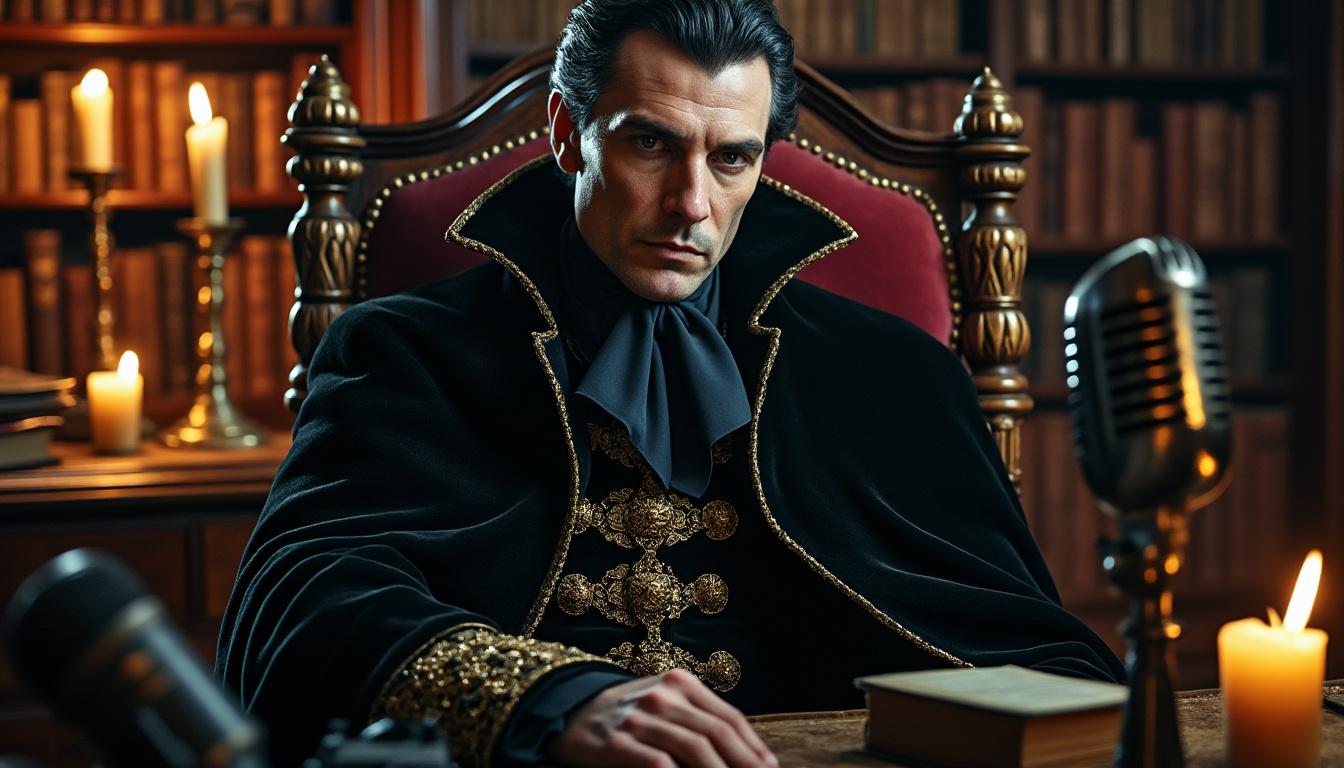
Exploring the Character of Dracula: A New Interpretation of Vlad the Impaler
The latest cinematic adaptation of Dracula brings a fresh perspective to the iconic character historically associated with terror and darkness. This version introduces Caleb Landry Jones as Vlad, a 15th-century prince who transforms into the infamous vampire following a tragic event that irrevocably changes his life. As the story unfolds, audiences witness Vlad renounce his faith after the brutal murder of his wife, leading him to embark on a desperate quest against fate to reclaim her. This deeply emotional portrayal represents a stark departure from conventional depictions of Dracula. The focus shifts from that of a monstrous entity to a more human and vulnerable character.
The narrative positions Dracula less as a supernatural villain and more as a tragic hero consumed by love and grief. This profound transformation speaks volumes about the creative intent behind the film. By showcasing Dracula’s emotional landscape, the filmmakers invite viewers to empathize with his plight. Consequently, the film positions itself to resonate with contemporary audiences, drawing parallels with themes of love and loss that are universally relatable.
The foundation of this new interpretation lies in the meticulous crafting of Vlad’s character arc. Jones didn’t just take on a role; he embraced the challenge of redefining Dracula in a way that is both authentic and engaging. Working alongside legendary director Luc Besson, known for pushing creative boundaries, was crucial in this endeavor. Besson’s direction provided a unique vision for the film, prioritizing emotional resonance over horror clichés.
The extensive backstory given to Vlad also adds layers to his character that audiences might not expect. His renowned status as a warrior prince, coupled with the curse of eternal life, creates a compelling contradiction. This complexity offers a richer exploration of his motivations and internal conflicts, allowing viewers to grasp the full emotional weight of this iconic figure’s journey.
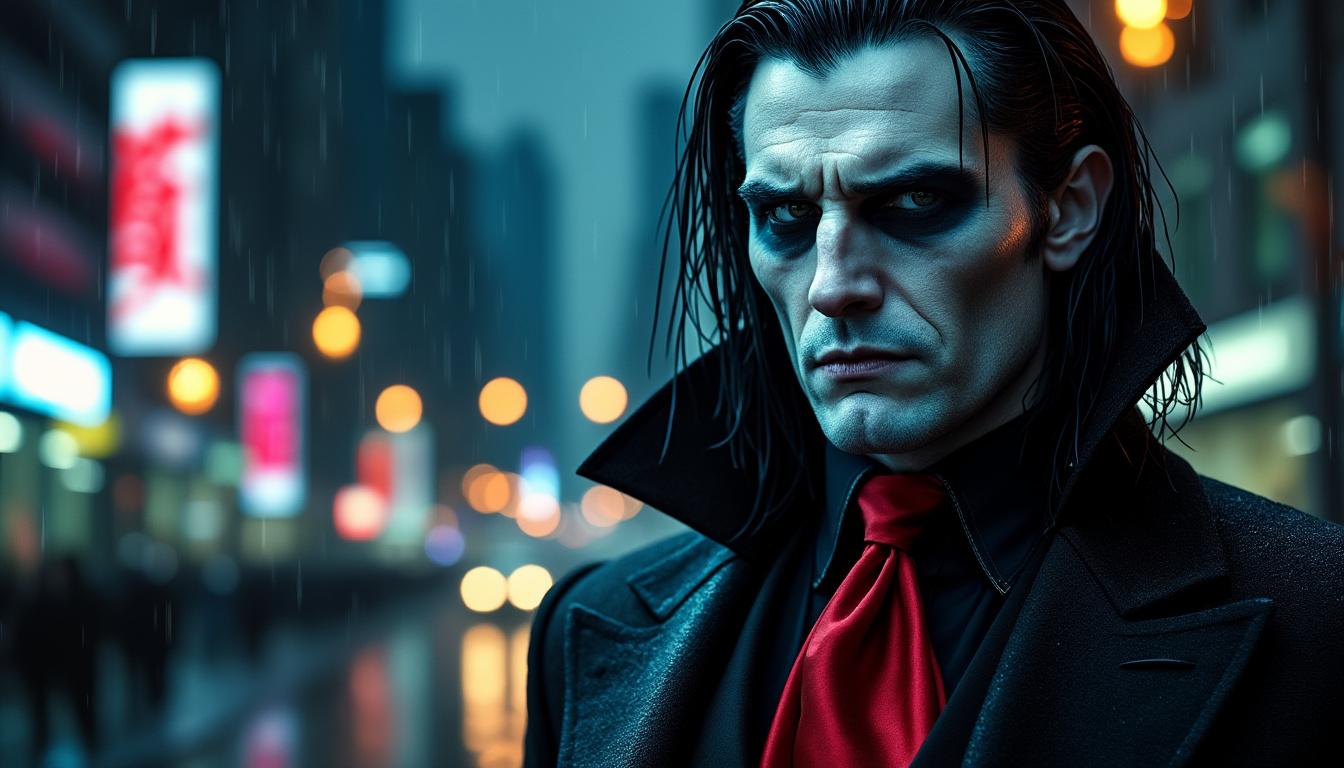
Insights into the Royal Role: Embracing the Leverage of Royalty
In this adaptation, the royal aspect of Vlad’s character is not merely superficial; it plays a pivotal role in shaping his identity. Jones discussed how the elements of royalty influence his portrayal, bringing an air of regality to the character infused with deeper emotional stakes. The royal dilemma faced by Vlad emphasizes his isolation and the burdens of power, shedding light on how his status as a prince directly impacts his decisions and ultimately shapes his destiny.
Furthermore, Zoë Bleu, who plays Mina, detailed her own journey to embodying a character intertwined with Dracula’s fate. Capturing the essence of royalty in her role allowed her to explore themes of love, sacrifice, and duty. She expressed how playing a character vibrant with emotional depth, rather than simply a damsel in distress, was a transformative experience. Besson’s vision emphasized the interplay of strength and vulnerability within royal characters, setting the stage for a narrative that underscores their human aspects.
The collaborative dynamic between Jones and Bleu was particularly noteworthy, as they drew on their respective characters’ royal experiences to create authentic chemistry. Their performances reflect an intricate understanding of their roles and a commitment to exploring the emotional complexities of love marred by tragedy.
The rich tapestry of these royal characters confronts deep-seated societal expectations and explores the consequences of their actions in a world layered with conflict. The resulting dynamic not only captivates the audience but also invites them to ponder the moral implications surrounding power and loss.
Vocal Nuances: Crafting Vlad’s Distinct Voice and Identity
One of the most crucial aspects of portraying Vlad involved capturing his unique voice, both literally and metaphorically. The actor engaged in a meticulous process to breathe life into the character. Drawing inspiration from Besson’s vision, Jones adapted his vocal delivery to reflect not just the gravity of Vlad’s past, but also his emotional turmoil. The director provided specific instructions, envisioning a voice that carries a weight of age and experience, without losing the vigor associated with a warlord.
As Jones stated, “It was about finding a breathing pattern that conveys the character’s pain.” This nuanced approach to vocal performance allowed him to exhibit Vlad’s internal struggle. Every breath, every pause, contributed to portraying the character’s state of mind effectively. The subtleties of his breathing became a powerful tool in communicating his complex emotions, especially during pivotal moments when he faces his tragic past.
Jones also described how he felt connected to the voice of a dragon, an idea imparted by Besson. This metaphorical dragon quality emerged as Jones tapped into a lower vocal register, emphasizing the primal instincts that drive Vlad. The actor translates this into his performance, reflecting not only the supernatural elements in the character but also the underlying humanity that drives his arc.
The use of vocal variation extends to the physical performances as well. The coupling of voice with movement allows the character to embody both grace and violence—reflecting the duality of being a royal warrior cursed with eternal life. The integration of these elements showcases the transformative power of careful character study, ultimately leading to a memorable portrayal of Dracula that sets this adaptation apart from its predecessors.
Behind-the-Scenes Collaboration: A Unique Filmmaking Experience
The collaboration among the cast and crew under Besson’s direction culminated in a filmmaking experience unmatched in its level of creativity and rigor. Both Jones and Bleu elaborated on the vibrant atmosphere during production, noting how Besson’s passion influenced their performances. The dynamic environment fostered collaboration that extended beyond mere acting; it ignited a sense of playfulness that permeated their interactions.
Bleu recalled moments of serendipitous creativity that often led to unexpected breakthroughs in character development. These spontaneous moments would inspire authenticity in their performances, enriching the emotional tapestry of each scene. This collaborative spirit is a hallmark of Besson’s productions, which are often characterized by a strong emphasis on character exploration and narrative depth.
Additionally, Jones spoke about the significance of realizing their characters through visual elements. The costumes and makeup played an essential role in shaping how they embodied their roles. Detailed discussions about the visual representation of Vlad’s character led to the creation of memorable imagery reflective of the dark and romantic elements central to the narrative.
The effectiveness of this collaboration can be seen in the film’s visual and thematic coherence. The synergy between actors and the director emphasizes a shared vision, resulting in an unforgettable cinematic experience reminiscent of classic Gothic films while still innovating within the genre.
Diving into Timeless Themes: Love, Loss, and Redemption
The heart of this adaptation lies in its exploration of timeless themes such as love, loss, and the quest for redemption. The film does not merely highlight Dracula’s transformation but delves into the emotional ramifications of his choices. The tragic backstory serves as a powerful catalyst that underscores the universal quest for connection, making the film relatable to contemporary audiences.
Indeed, Besson’s adaptation transcends traditional horror boundaries by integrating emotional depth with thrilling elements. This duality creates a space where audiences are invited to empathize with a character often relegated to the world of monsters. As the narrative unfolds, viewers witness the stark contrast between Vlad as a loving husband and as an eternal seeker, forever haunted by his choices.
Such storytelling captivates not only through its Gothic aesthetics but also through its resonant themes. The fear of loss resonates deeply within the audience, prompting reflection on personal connections and sacrifices in the face of overwhelming odds. The film captures the desperation that can accompany heartbreak, transforming Dracula into not just a creature of the night but a poignant reminder of the fragility of the human experience.
This engaging exploration culminates in a narrative that is both timeless and contemporary, reminding audiences that even the most fearsome figures are rooted in humanity, enamored with love, and forged from loss.
| Key Themes | Description |
|---|---|
| Love | The central driving force for Vlad, leading to his transformation. |
| Loss | The catalyst for emotional and psychological turmoil. |
| Redemption | The quest for reconnection with a lost love. |
| Isolation | The loneliness that accompanies eternal life. |