

The Vision Behind the All You Need Is Kill Anime Adaptation
In the landscape of cinematic adaptations, the transformation of literary works into animate forms often garners substantial attention from both fans and critics. The Director Kenichiro Akimoto’s recent adaptation of the acclaimed light novel All You Need Is Kill signals not just a continuation of storytelling but a fresh perspective that deeply explores the human experience amid chaos. This anime aims to unravel the narrative from an angle that deviates from previous interpretations, particularly the well-known Edge of Tomorrow film.
The original story, authored by Hiroshi Sakurazaka, has been lauded for its engaging portrayal of a soldier caught in a time loop, reliving his death repeatedly. This adaptation, however, pivots the focus towards Rita, a character who embodies resilience not just in battling aliens but also in overcoming her emotional struggles and traumas. The director emphasized the need to bring to light a female perspective, a narrative deficiency that many adaptations overlook, thus creating a powerful and relatable protagonist.
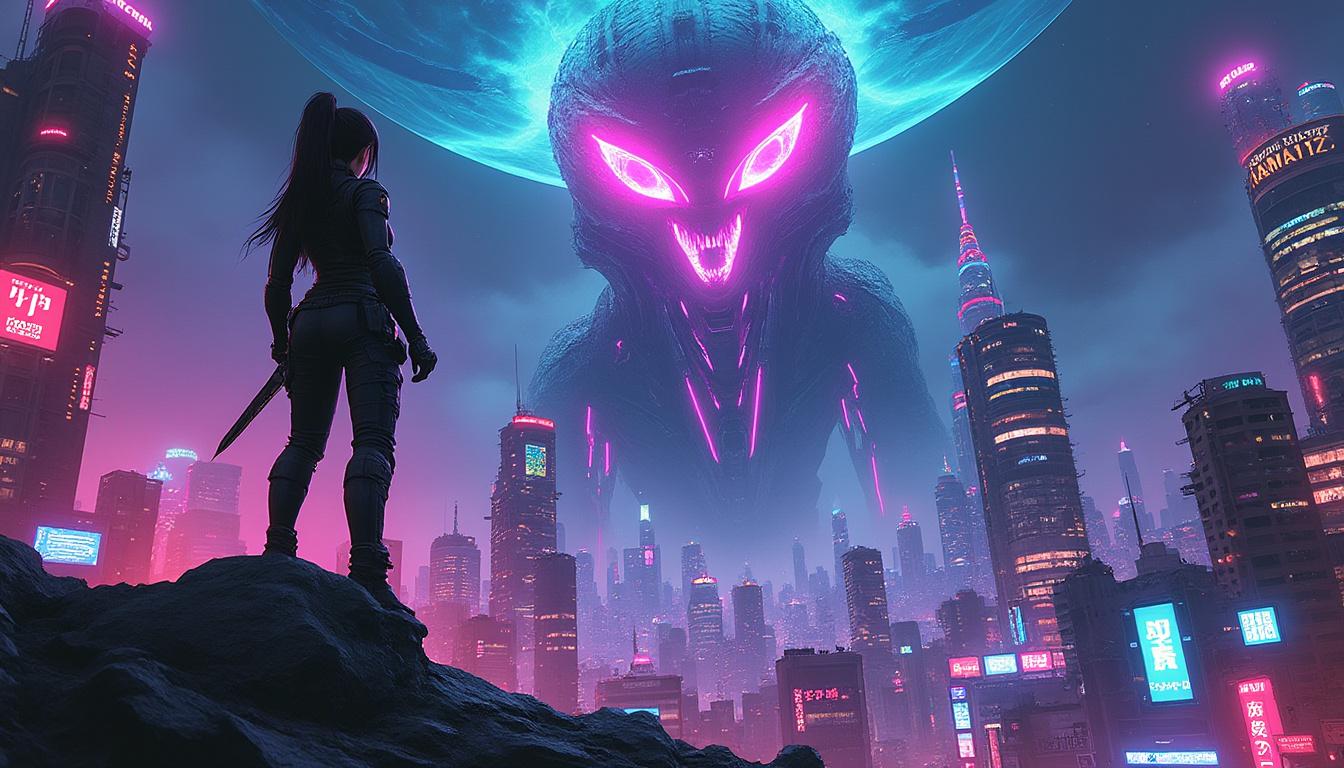
This approach reflects a broader trend in contemporary anime, where narratives are being re-evaluated through diverse lenses. Akimoto’s vision allows for more intricate explorations of themes such as isolation, trauma, and resilience, fostering a connection that may resonate more profoundly with viewers. The focus on Rita’s emotional state, especially her detachment and struggles with connection, crafts a richer narrative landscape than what was portrayed in the action-packed film release.
Additionally, the character design of Rita signifies a nuanced representation of strength. Akimoto recounts that her character features a subtle complexity; she does not readily display emotions, making her smiles rare and impactful. This attention to detail elevates the character beyond a mere action hero, inviting viewers to explore their own vulnerabilities through Rita’s journey.
Exploring the Complexities of Rita’s Journey
The character Rita is positioned in a futuristic setting where she grapples with not just alien threats but her internal conflicts. This anime adaptation goes deep into her psyche, portraying her as a figure who volunteers to rebuild her shattered home in Japan after the calamity caused by the alien flower, ‘Darol.’ The initial tragedy she experiences catapults her into an endless loop of death—a captivating narrative device that resonated within the cultural context of Japanese animation.
The narrative elegantly unfolds Rita’s emotional turmoil, presenting relatable themes of despair and hopelessness. When exploring her relationship with suicide, the director insisted on careful crafting, ensuring that such sensitive topics are presented thoughtfully and respectfully. In a poignant scene where Rita contemplates her demise, the environmental storytelling amplifies her internal struggles, showing how past traumas shape her present. The swirling imagery of landscapes paired with muted colors reflects her haunting memories and escalating depression.
This multi-layered presentation encourages viewers to engage in discussions on mental health and resilience, drawing parallels to real-life struggles. The director’s approach in narrating these complexities gives a unique flavor to the adaptation, making it both a visually and emotionally compelling journey. The incorporation of her past traumas and her mother’s attempt on their lives weaves a tragic backstory that provides depth to her character and enriches the overarching narrative.
By juxtaposing Rita’s struggles with the action sequences, watchers are invited to assess her character development throughout the time loop, where each cycle presents new challenges and opportunities for growth. This exploration also prompts the audience to ponder the inherent philosophical aspect of time loops—namely, the chance for redemption and finding meaning in chaos.
Thematic Elements: Isolation and Connection
An integral aspect of All You Need Is Kill is its thematic exploration of isolation and the struggle for connection. Characters trapped in cyclical plights highlight deep-seated fears and the longing for an emotional bond. These thematic resonances unfold beautifully through Rita’s interactions, primarily with Keiji, another victim of the time loop, creating a rich tapestry of companionship that draws viewers into the intricacies of their emerging bond.
The film reflects on how shared traumas can forge unlikely partnerships, illustrating that isolation does not have to be an endpoint; rather, it can herald the beginning of meaningful connections. Rita’s initial detachment becomes a fascinating focal point in their interactions. The characterization enables the audience to witness Rita journey towards vulnerability, eventually learning to trust and collaborate with Keiji. Such dynamic arcs provide much-needed emotional substance, making the characters relatable not just as iconic figures but also as ordinary individuals facing extraordinary circumstances.
This exploration of companionship amidst adversity cleverly contrasts with the action-driven components of typical adaptations. The anime adeptly mixes adventure with moments of introspection, creating a dual narrative structure that captivates both action enthusiasts and those seeking deeper storytelling.
Various cinematic staples emerge during these character arcs, incorporating elements from beloved works in the sci-fi genre. As the story unfolds, viewers are reminded of classic transformations seen in time loop narratives, evoking familiar themes while presenting them in a fresh light. Akimoto acknowledges the numerous influences he drew from while crafting the film, paying homage to notable predecessors while also adding his unique flair.
The Impact of Japanese Animation and the Time Loop Genre
The unique stylistic choices prevalent in Japanese animation, coupled with the recurring time loop trope, elevate the viewing experience, inviting audiences to revel in nostalgia while exploring novel interpretations. The director notes that time loops serve as fascinating narrative devices that allow characters to confront their fears and make crucial personal decisions every cycle.
This cinematic endeavor mirrors iconic time-loop films and narratives that have shaped the genre over decades. From early classics like The Girl Who Leapt Through Time to modern variations adorned in both film and gaming cultures like Steins;Gate, Akimoto points out the enduring allure that time loops hold in storytelling, provoking curiosity about how characters evolve within these bounds.
The sharing of knowledge and creative exploration linked to these narratives fosters a cultural exchange that enriches the anime landscape. It invites viewers to gain insights not only into the mechanics of time but also into the emotional repercussions that accompany repeated cycles. With Akimoto’s distinctive vision, All You Need Is Kill solidifies its place in this lineage of impactful science fiction narratives.
Artistic Choices in Film Direction
Akimoto’s role as director transcends traditional filmmaking, as he intricately weaves thematic and emotional components to craft a visually captivating piece. His decisions regarding color palettes, animation styles, and character designs are pivotal in not only setting the tone but also in enhancing narrative depth. The muted colors during moments of Rita’s internal struggle juxtaposed with vibrant hues during action sequences cleverly reflect her fluctuating emotional states.
The use of motion and framing provides another layer of storytelling, wherein the choreography of action sequences elicits tension and excitement while underscoring the significance of Rita’s personal journey. As the film evolves, Akimoto integrates stylistic elements that create a visual dialogue that resonates with the audience and reinforces core themes. This interplay invites viewers to not just watch but to experience the emotional landscape alongside the characters, forging a connection that lingers long after viewing.
The adaptability of animation as a medium allows for unique portrayals that are hard to achieve through live action. Akimoto acknowledges the freedom animation provides, enabling the exploration of fantastical elements while firmly rooting the characters’ emotional realities. This balance between heart-pounding sequences and profound character moments marks a signature strength of this adaptation, setting it apart from its predecessors, including the film Edge of Tomorrow.
This artistic finesse not only pays homage to the source material but also strengthens its narrative framework, offering viewers a unified experience that tugs at the heartstrings.
Looking Forward: The Anticipation of the Anime Release
As the anticipated release date of January 16, 2026 approaches, excitement surrounding All You Need Is Kill continues to build. Fans eagerly await the opportunity to witness not just an adaptation of an established story but a journey that promises to resonate in innovative ways. The evolution from light novel to anime invites audiences into a fresh narrative experience, replete with thematic richness that grows with each iteration of the story.
In bringing this narrative to the forefront, GKIDS aims to showcase the depth of Japanese animation on an international scale. Acknowledging its profound cultural roots and unique storytelling mechanisms, this adaptation positions itself as both a celebration and a reinterpretation of genre tropes, fostering nuanced dialogues surrounding vital themes. As this project unfolds, it stands as a testament to the evolving landscape of anime production, signaling its potential to continually surprise and captivate audiences around the world.
The upcoming adaptation promises to enthrall a new generation, stimulating discussions around the emotional and psychological nuances of living within a time loop while tackling broader societal themes. As audiences prepare for this exciting release, anticipation blends with optimism, signaling a transformative moment within the landscape of anime adaptations.