
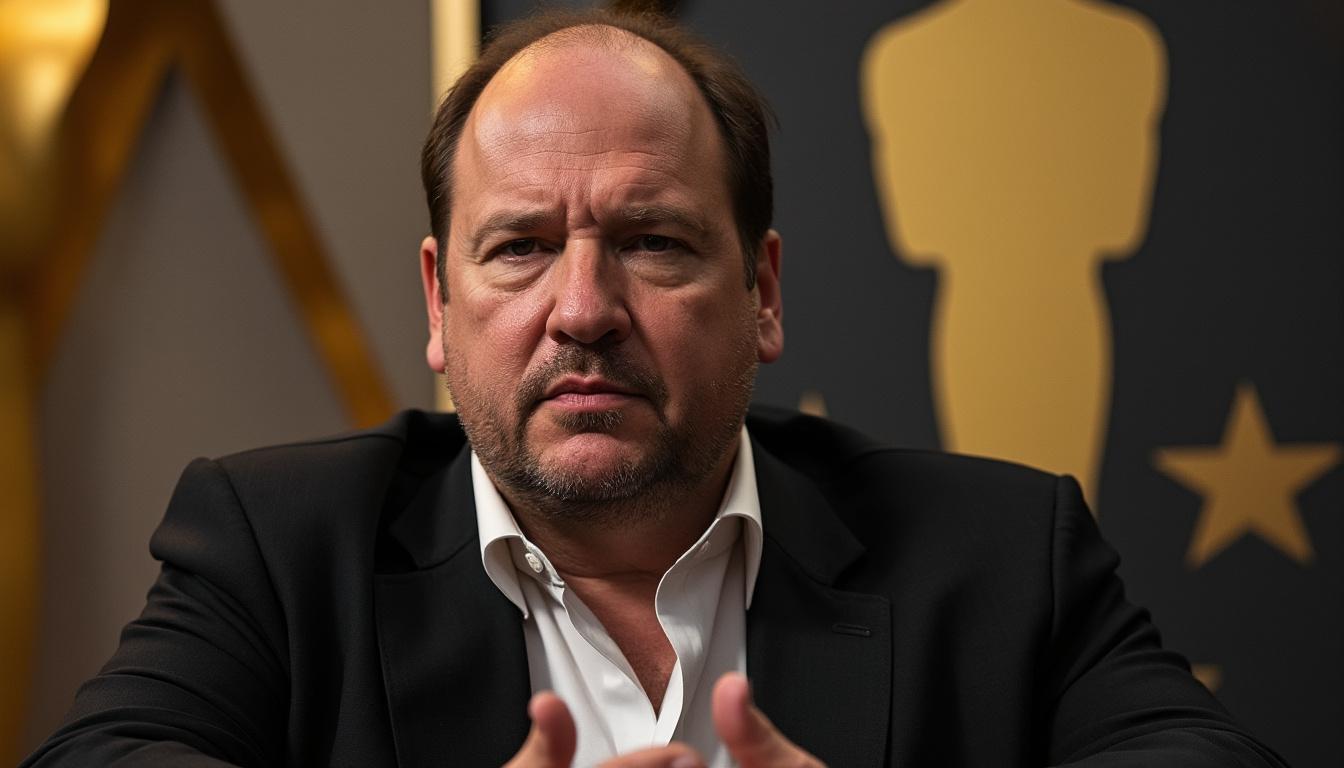
Hans Zimmer’s Disappointment with Golden Globes’ Abrupt Decision
In a recent turn of events, celebrated composer Hans Zimmer expressed his deep discontent regarding the Golden Globes’ choice not to air the Best Original Score category during the ceremony. This decision came as a shock to many in the film industry, especially given Zimmer’s significant contributions to filmmaking. Describing the organizers’ action as “ignorant,” he shared his sentiments during the red carpet at the 83rd Golden Globe Awards. His criticisms reveal not only his personal feelings but also a broader concern for the representation of music composers in the entertainment awards arena.
Zimmer articulated that composers play a vital role in the storytelling of films. “We are the psychological underbelly of the whole thing,” he stated, emphasizing the often-overlooked impact of score on a film’s emotional landscape. His remarks highlight an issue that many in the industry have long recognized: the process of filmmaking is a collaborative and multi-faceted endeavor, and each contributor deserves acknowledgment.

The abrupt decision to eliminate the television broadcast of this category sparked considerable backlash. It wasn’t merely the absence of air time that irked Zimmer; it was the notion that such a vital aspect of filmmaking was being sidelined. In a profession where composers invest countless hours shaping the auditory experience of a film, the lack of visibility during major award ceremonies is troubling. Zimmer’s words resonate with many fellow composers and advocates who argue for a reevaluation of how music is integrated into award showcases.
Throughout the years, Zimmer has accumulated a substantial number of nominations and accolades, contributing significantly to high-profile projects like “Inception,” “Interstellar,” and “Dune.” Yet, his criticism poses a crucial query: are award ceremonies truly representative of the art’s multifaceted nature? By addressing this question, industry professionals and audiences alike can engage in meaningful dialogue about recognition and representation.
The Role of Composers in Filmmaking
Composers are more than just background noise; they are integral to the film experience. Zimmer articulated that his role often involves rallying directors and reminding them of their creative vision after a long and often stressful production process. “Our first job is to remind him why he did this film in the first place,” he reflected. This perspective underscores the emotional and psychological support composers provide, positioning them as champions of a project’s heart and soul.
- Psychological Support: The role of a composer often involves more than just creating music; it includes fostering an atmosphere of creativity and support for directors.
- Storytelling Through Sound: Music is a core element in conveying a film’s emotional arc, preparing the audience’s responses to pivotal scenes.
- Collaboration with Directors: The partnership between composers and directors is crucial, often leading to innovative storytelling techniques.
In light of Zimmer’s remarks, it becomes evident that acknowledging the contributions of composers during award ceremonies is not merely a nod to their creativity, but a necessity for authentic representation of the film industry’s collaborative nature. The impact of their work affects audience experience profoundly and should be celebrated as such.
The Golden Globes: A Controversial Award Ceremony
The Golden Globes have had their fair share of controversies over the years. This recent decision not to air the Original Score category has reignited discussions about how awards ceremonies can often overlook certain segments of the industry. With the entertainment landscape evolving dramatically, questions surrounding transparency and fairness in recognition have become more pronounced.
In 2023, the disqualification of certain films and scores from award consideration raised eyebrows, creating a narrative of uncertainty within the film industry. This abrupt decision caught many off-guard, including Zimmer, whose work in “Dune: Part Two” did not receive a nomination despite being widely acclaimed. Such incidents indicate a fraught relationship between impactful artists and prestigious award entities.
This backdrop of controversy adds depth to Zimmer’s current criticism. The lack of televised recognition for the Original Score category raises questions about how awards bodies value different aspects of filmmaking. Critics argue that relegating composers to the sidelines undermines their crucial contributions. With past controversies in mind, Zimmer’s outrage serves as an impetus for discussion on broader institutional reforms that might increase equity in how the film industry’s various talents are celebrated.
The Golden Globes must find a way to navigate these waters to maintain relevance and respect within an evolving entertainment landscape. As Zimmer pointed out, it’s not just about the music itself but the emotional connection it fosters between a film and its audience.
Public Reaction to the Decision
The public response to Zimmer’s criticisms has been overwhelmingly supportive. Many fans and fellow artists have rallied behind him, emphasizing the importance of recognizing all components of filmmaking during award ceremonies. Viewers on social media platforms have expressed outrage at the decision, framing it as a dismissal of the art form’s integrity.
Moreover, this controversy has spurred discussions on the need for change within award bodies. The emotional and intellectual labor that composers invest into their scores calls for visibility and acknowledgement. Artists across different mediums have voiced similar sentiments, emphasizing the need for an equitable recognition platform within the entertainment landscape.
| Artist | Work | Award Category | Outcome |
|---|---|---|---|
| Hans Zimmer | F1 | Best Original Score | Nominated |
| Ludwig Göransson | Sinners | Best Original Score | Winner |
| Alexandre Desplat | Frankenstein | Best Original Score | Nominated |
| Jonny Greenwood | One Battle After Another | Best Original Score | Nominated |
| Kangding Ray | Sirāt | Best Original Score | Nominated |
| Max Richter | Hamnet | Best Original Score | Nominated |
This public outcry not only reflects general disappointment but also raises the narrative stakes surrounding the awards. How the Golden Globes will respond to these criticisms could very well shape the future landscape of entertainment awards, making it clear that the voices of composers, such as Han Zimmer, will not remain unheard.
The Future of Recognition at Award Ceremonies
As conversations about recognition and respect in the entertainment industry continue to evolve, the Golden Globes must address these challenges head-on. The glaring absence of the Original Score category aired during the ceremony has spurred a dialogue about how best to honor the contributions of music composers. With figures like Zimmer leading the charge, there’s potential for a more inclusive approach moving forward.
The industry is at a crossroads, and decisions made in the coming years regarding event structures and nominations could either enhance or diminish its integrity. Critics and supporters alike are awaiting tangible changes that address ongoing concerns about representation.
As upcoming award seasons approach, nominees, winners, and the industry at large will closely watch the Golden Globes’ response to this criticism. Without a doubt, the evolution of the awards will reflect the changing dynamics of the entertainment industry. The voices raised in support of Zimmer’s comments echo a growing consensus: recognizing and celebrating all contributors in the filmmaking process is essential for preserving the artform’s value and societal impact.