
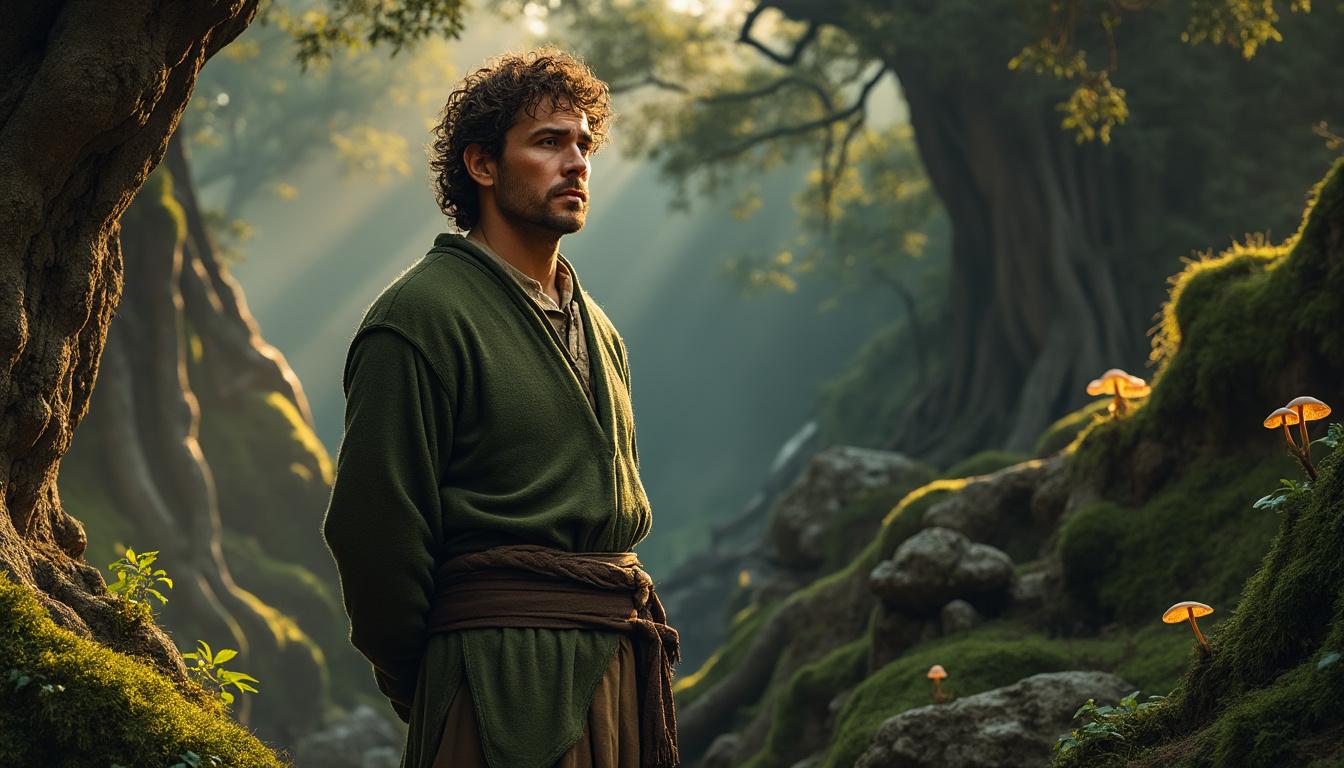
A Shifting Landscape in Middle-earth: What’s New with The Hunt for Gollum?
The world of Middle-earth is expanding once again with the highly anticipated film, The Hunt for Gollum. Set to be directed by Andy Serkis, who famously portrayed Gollum, this film aims to delve into the events occurring between the end of The Hobbit trilogy and the beginning of The Lord of the Rings. The timelines are set in a rich lore that intertwines familiar characters and new narratives. However, Evangeline Lilly, known for her role as Tauriel in The Hobbit, recently clarified her absence from this upcoming adventure.
During an interaction with her fans on Instagram, Lilly brought attention to the fact that she had not received an invitation to join the cast for The Hunt for Gollum. She expressed her disappointment, especially since her character, a fierce elven warrior, was created specifically for Peter Jackson’s adaptations of Tolkien’s work. Lilly’s portrayal of Tauriel made her a standout among fans, leading to discussions about the potential for her character to make an appearance in this new film.
The film, scheduled for release on December 17, 2027, has garnered significant excitement, particularly because it’s produced by the visionary director Peter Jackson, alongside his longtime collaborators Fran Walsh and Philippa Boyens. This team brings their extensive history of bringing Tolkien’s stories to the big screen, raising the stakes for this new addition to the franchise.
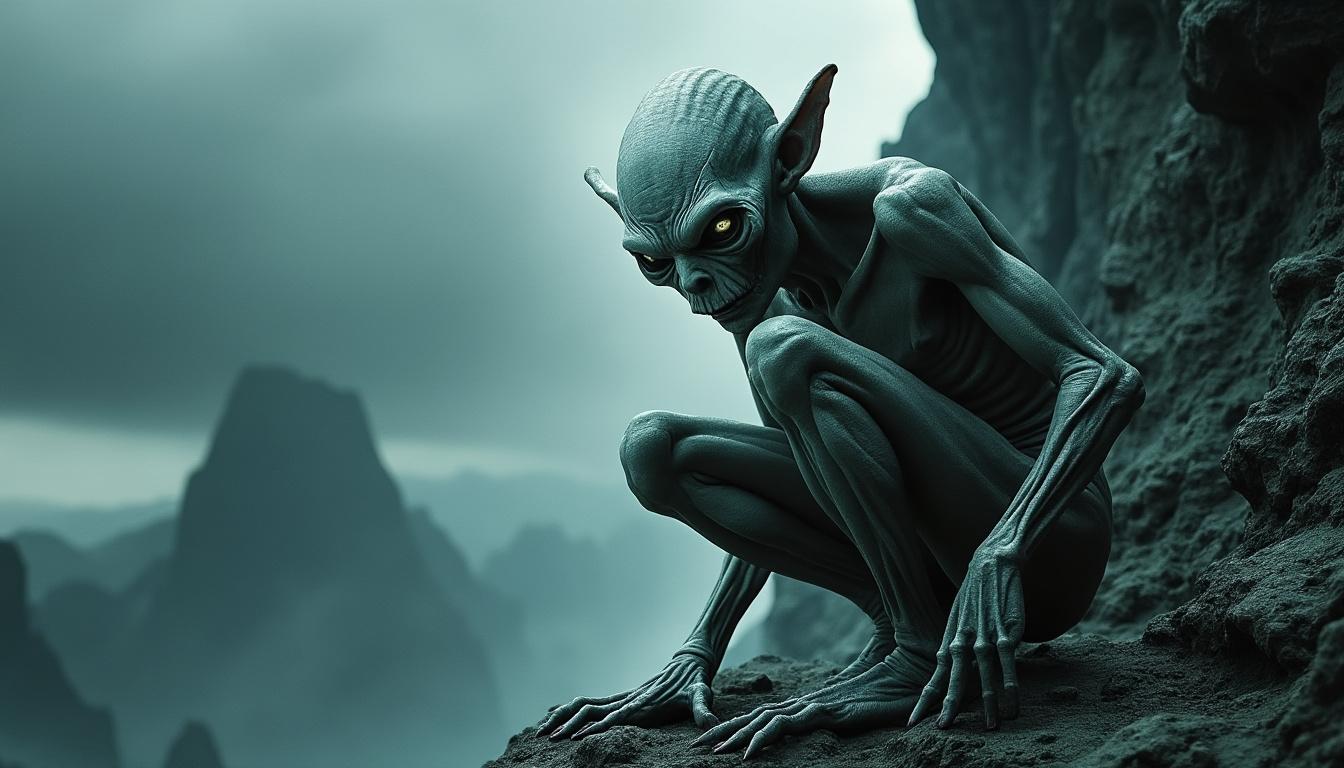
Building Momentum for The Hunt for Gollum
The Hobbit trilogy, which spanned three films released between 2012 and 2014, explored the journey of Bilbo Baggins as he endeavored to assist a group of dwarves in reclaiming their homeland. The films were not only commercially successful but also introduced audiences to a broader array of characters and events that exist within Tolkien’s expansive universe. The final chapter, The Hobbit: The Battle of the Five Armies, alone raked in hundreds of millions worldwide, solidifying the franchise’s impact in modern cinema.
The upcoming film, The Hunt for Gollum, promises to enrich the backstory of Gollum and explore the perilous quest undertaken by Aragorn to secure him before Sauron can exploit the creature’s knowledge. This storyline not only connects the two trilogies but also highlights the ongoing battle for the One Ring even after the events of The Hobbit. It sets the stage for darker themes and intense character development, as we delve deeper into the motivations and challenges faced by some of the lore’s most iconic figures.
Notably, this film adds new names to the cast, including Oscar-winning actress Kate Winslet, alongside the confirmed returns of legendary actors like Elijah Wood (Frodo Baggins) and Ian McKellen (Gandalf). These familiar faces evoke nostalgia while inspiring curiosity about how their characters will develop in this new narrative.
Evangeline Lilly’s Departure: What It Means for Fans of The Hobbit
The confirmation of Evangeline Lilly’s absence stirs a mix of emotions among fans who cherished her role as Tauriel. Her character added depth to the storyline of The Hobbit series, and many hoped her journey would continue in future adaptations. The fact that she described being ‘not invited’ to participate highlights the shifting dynamics within the casting choices for this new project.
Tauriel, distinctively based on the creative liberties taken by filmmakers, was not originally part of J.R.R. Tolkien’s text. This intentional inclusion meant that audiences saw a fresh perspective within the classic tale, and Lilly’s performance was a crucial aspect of that creative vision. The absence of Tauriel opens up discussions about the importance of representation and character development in adaptations of well-loved literary works.
Moreover, her character served as a bridge connecting the male-dominated storytelling often seen in fantasy narratives with a female warrior’s perspective. Lilly’s absence may resonate deeply with fans who supported her character’s growth and journey, which was a refreshing contribution to the overall narrative arc. It raises pertinent questions about the creative directions taken by producers and screenwriters when adapting rich literary sources.
The Fan Response: Mixed Reactions to Casting Changes
Reactions from fans and the film community have varied widely following the announcement of Lilly’s absence from The Hunt for Gollum. On one hand, there is palpable excitement surrounding the film, particularly with notable actors rejoining the franchise, suggesting that the film aims to draw on the established fanbase. On the other hand, many fans express sadness and disappointment over the loss of an engaging character who offered a unique angle in what could otherwise be a predictable story.
This reaction underscores an essential aspect of fandom: the emotional investment that individuals have in characters over the years. Actors often embody the essence of a character in such a way that their contributions become inseparable from the narrative. The departure of a beloved character can therefore lead to nostalgia and a sense of loss among viewers, raising critical discourse around why certain characters are sidelined in adaptations.
It’s vital to observe how Lilly’s comments also reflect broader themes surrounding the treatment of female characters in epic tales. The industry has long struggled with showcasing well-rounded characters that defy gender stereotypes, and Lilly’s Tauriel had made significant strides in that direction. The absence of her character further stirs conversations about diversity and representation in the fast-evolving landscape of fantasy cinema.
The Future of Middle-earth: Expectations and Speculations
As fans look forward to The Hunt for Gollum, expectations are high. Alongside the returning characters, the film’s direction by Andy Serkis, famed for his captivating performance as Gollum, raises intrigue. Serkis’s insights into the character’s complexities could lend a deeper emotional resonance to the film, enhancing the narrative’s core themes of addiction and obsession.
The film is strategically positioned to cultivate interest not only among long-time fans of the franchise but also to capture a newer audience. Given the past success of The Lord of the Rings and The Hobbit, there is an expectation that The Hunt for Gollum will similarly receive accolades in terms of both critical and commercial success.
Nonetheless, the absence of notable characters like Tauriel may serve as a cautionary tale for future adaptations. It’s imperative that filmmakers consider the balance of familiarity and innovation when reimagining beloved worlds. Fans eagerly await a redefined Middle-earth and hope that preserving character diversity enriches the context and resonates with the rich fabric of Tolkien’s literature.
Excitement in Anticipation: What Lies Ahead for Middle-earth Movies
In conclusion, the anticipation surrounding The Hunt for Gollum reflects a wider trend in the cinematic universe, where cherished stories are being revisited with new perspectives and adaptations. With its release slated for 2027, the film has generated excitement that will only build over time. Fans from around the globe are eager to see how these narratives unfold, and the cast’s dynamics will undoubtedly play a pivotal role in shaping the audience’s experience.
The journey to explore what happens in the tense timeline between The Hobbit and The Lord of the Rings is not only a fascinating cinematic endeavor but also a significant enriched chapter in storytelling that can introduce new themes and complexities. Ultimately, audiences hope to see characters that reflect a broader representation of society while creating an immersive experience that encapsulates the magic of Middle-earth.