

Understanding the Concept of “Honey Don’t!” and Its Place in Ethan Coen’s Work
In the realm of cinema, Ethan Coen has consistently pushed boundaries, and “Honey Don’t!” serves as a testimony to his innovative vision. This film marks Coen’s second venture into solo directing after years of collaboration with his brother Joel. Part of what Coen describes as a “lesbian B-movie trilogy” with his wife Tricia Cooke, “Honey Don’t!” sets itself apart with a unique blend of neo-noir themes and dark comedy.
The narrative follows a small-town private investigator, Honey O’Donahue, portrayed vibrantly by Margaret Qualley. The protagonist finds herself entangled in a series of strange deaths connected to a clandestine church, embarking on a journey filled with twists and turns that compel the audience to stay engaged. The film’s setting in Bakersfield, California, adds a layer of authenticity and charm, showcasing a landscape where the bizarre meets the mundane.
The screenplay, co-written by Coen and Cooke, leans heavily on genre conventions while subverting them. The film has garnered a varied reception, with critics highlighting its sharply defined performances, particularly by Qualley and Chris Evans, who takes on the role of a sex-obsessed cult leader. Despite its challenges, the film attempts to merge the comedy of errors with suspenseful storytelling, creating an entertaining yet polarizing experience.
Audience reception reflects the divided opinions—while some see merit in its attempt to grapple with heavy themes through a humorous lens, others critique its execution as lacking depth. This disparity aligns with the promotional materials that hint at “twist-filled conclusion,” raising expectations yet inevitably leading to some disappointment. The film undoubtedly embodies Coen’s quirky storytelling style, but does its delivery resonate with viewers on a deeper level? As the Blu-ray release arrives, it prompts a discussion around expectations versus reality in contemporary filmmaking.
Key highlights of “Honey Don’t!” include:
- Dark comedy interwoven with neo-noir elements.
- An intriguing premise questioning both morality and belief systems.
- Strong performances that deserve recognition, especially from the leads.
- Coen’s distinct directorial style evident throughout.
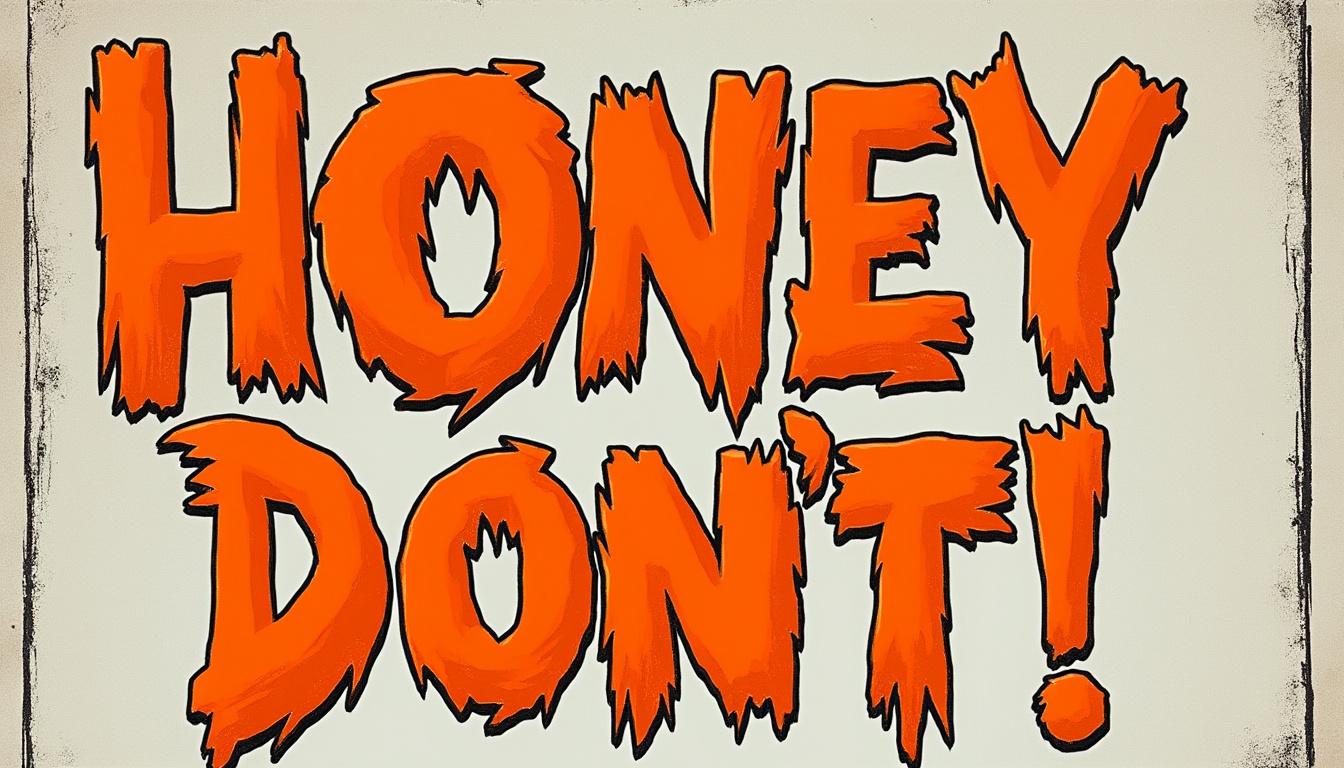
The Technical Aspects of the Blu-ray Release
The technical specifications of the “Honey Don’t!” Blu-ray are commendable, ensuring that viewers experience the film in its full glory. The Blu-ray release is not merely a vehicle for delivering content; it is an opportunity to showcase the meticulous work that went into the film’s production. The visual quality is crisp, thanks to a high-quality transfer, highlighting Coen’s stylish cinematography. Each frame reveals the thoughtful composition and lighting that emphasizes the film’s noir influences.
Audio quality plays a crucial role in the overall experience, and “Honey Don’t!” does not disappoint here. The Dolby TrueHD 5.1 audio track creates an immersive environment, enveloping viewers in the movie’s atmospheric sounds. Dialogue is clear, which is essential given the film’s witty repartee.
The Blu-ray’s technical merits can be summarized as follows:
| Aspect | Description |
|---|---|
| Video Quality | Sharp, high-quality visuals with an excellent transfer. |
| Audio Quality | Dolby TrueHD 5.1 for an immersive sound experience. |
| Special Features | None included, which is disappointing for fans. |
Despite these positive technical aspects, the release lacks significant bonus material. For many, the absence of behind-the-scenes features or commentary tracks is a missed opportunity to delve deeper into Coen’s filmmaking process. The lack of extras raises questions about the value of the Blu-ray for collectors and casual viewers alike. For further insights, check out more details on the Blu-ray specifications at Blu-ray.com.
Character Dynamics and Performances in “Honey Don’t!”
Within “Honey Don’t!”, character dynamics are crucial for driving the plot forward and establishing emotional connections with the audience. Margaret Qualley’s portrayal of Honey O’Donahue stands out, as she adeptly balances humor and seriousness. Her character is not merely a detective but a person grappling with personal demons while unearthing the truth behind mysterious deaths.
The interactions between Honey and other pivotal characters, particularly Chris Evans’s portrayal of the cult leader, create a tapestry of conflict and tension. Evans, known for his heroic roles, flips the script as a self-absorbed character, showcasing his versatility as an actor. The comedic undercurrents within their exchanges add depth to the narrative, offering moments of levity amid darker themes.
The supporting cast enriches the storyline, contributing significantly to the film’s charm. This ensemble, which includes the likes of Aubrey Plaza and Charlie Day, injects additional energy into the film. Each character is crafted to embody certain aspects of the narrative, creating a vibrant and complex universe.
To fully appreciate the film’s execution, one can analyze the significance of each character:
- Honey O’Donahue: The determined investigator, whose character arc explores themes of trust and betrayal.
- Chris Evans’ Cult Leader: A charismatic yet repugnant antagonist that represents false belief systems.
- Aubrey Plaza’s Character: A key ally in Honey’s journey, adding a unique perspective to the investigative process.
- Charlie Day’s Contribution: A whirling dervish of eccentricity that contrasts sharply with the film’s darker aspects.
This exploration of character depth within “Honey Don’t!” invites contemplation of how performances can elevate a film’s narrative, making it more than just a sequence of events. The synergy among the ensemble casts fosters an engaging atmosphere that captivates viewers from start to finish.
The Reception of “Honey Don’t!” and Its Impact on Coen’s Legacy
The release of “Honey Don’t!” stirred a mix of reactions from critics and audiences alike. With its ambitious blend of genres, the film ultimately divided opinions, setting it apart in Coen’s filmography. While some hailed its quirky charm and narrative ambition, others expressed disappointment over the execution and perceived lack of depth.
Critical assessments highlighted both the film’s merits and shortcomings. For instance, reviews addressed the engaging performances of its leads, especially Margaret Qualley, who gained praise for her comedic timing and emotional range. On the other hand, the film’s twists, while ambitious, left some viewers feeling unsatisfied, as many felt the conclusions drawn were not fully justified. This critique reflects an ongoing challenge in contemporary cinema—balancing innovation with coherence.
To better visualize the critical reception, here’s a summary of key review insights:
| Source | Review Summary |
|---|---|
| Roger Ebert | Highlighting the film’s potential, yet critiquing its inability to deliver a cohesive narrative. |
| DVD MG | Comments on Coen’s struggle without his brother, hinting at a need for collaborative energy. |
| The Movie Blog | Notes how “Bites Off More Than It Can Chew” is a fitting description for its convoluted plot. |
Despite the mixed reviews, “Honey Don’t!” holds significant value in the context of Coen’s artistic journey. This film represents an evolution, showcasing his willingness to tackle new themes and explore diverse storytelling avenues. It encourages dialogue about creative limitations and audience expectations, an essential aspect of any director’s legacy. For an in-depth exploration of critical perspectives, visit Roger Ebert’s review.
Conclusion on the Minimalist Approach of “Honey Don’t!” Blu-ray Edition
The Blu-ray edition of “Honey Don’t!” encapsulates the film’s minimalist ethos, reflecting a conscious choice by the filmmakers. While the film itself is a colorful exploration of themes and characters, the Blu-ray release opts for a streamlined presentation devoid of bonus content. This decision intrigues and frustrates collectors and newcomers alike.
For fans of Coen’s work, acquiring the Blu-ray may feel essential to complete their collection, though the lack of additional features casts a shadow over its desirability. The minimalist approach invites discussion on the implications of such releases—should films be presented as standalone experiences, or do collectors deserve more context through behind-the-scenes content?
Ultimately, “Honey Don’t!” stands as a remarkable examination of genre-blending and artistic ambition, even if it stumbles in delivering a tightly woven narrative. For those who appreciate Coen’s unique perspective on storytelling, the Blu-ray serves as an opportunity to witness his latest cinematic endeavor, albeit in a largely barebones format.