
Recasting Drago Bludvist in How to Train Your Dragon 2
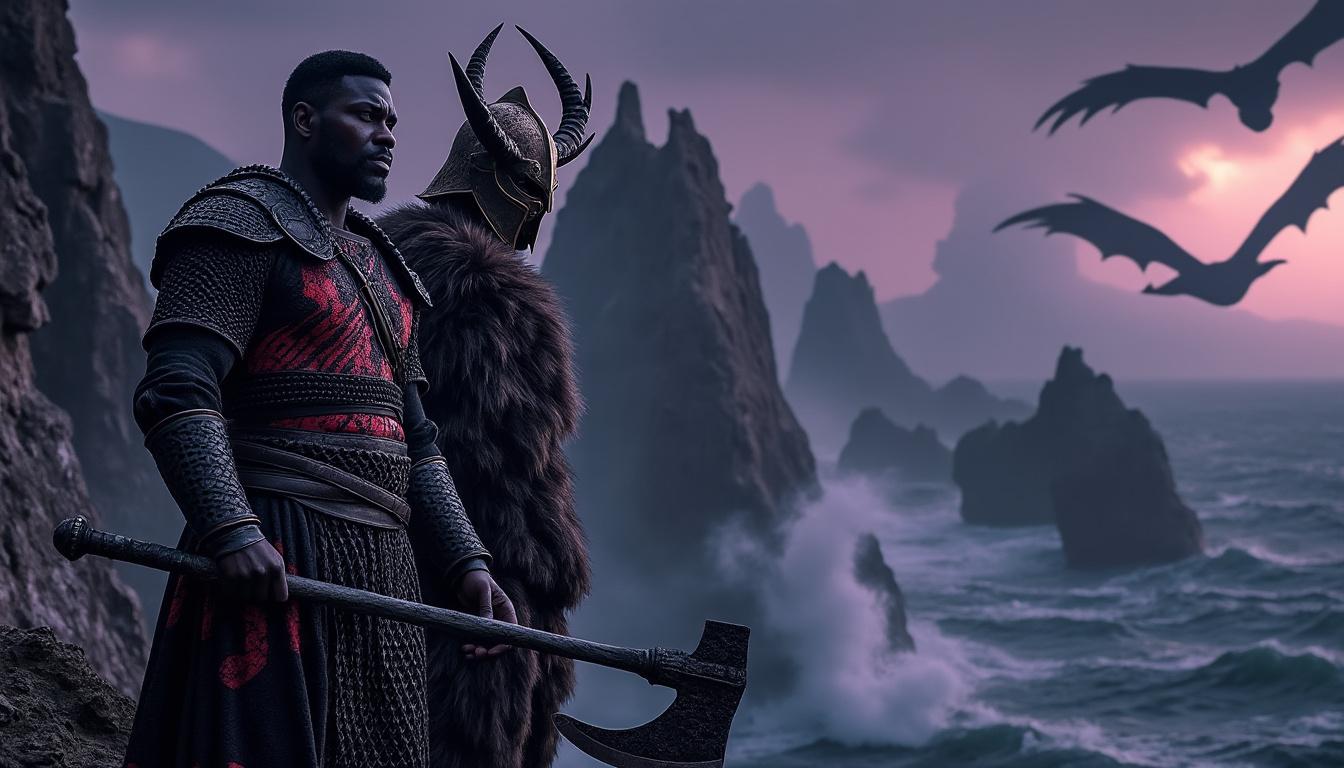
The live-action adaptation of How to Train Your Dragon 2 brings significant changes, notably the recasting of its main antagonist, Drago Bludvist. Initially voiced by Djimon Hounsou in the animated film, this character is pivotal to the narrative. Drago is depicted as a ruthless dragon hunter who seeks to dominate rather than coexist with these majestic creatures. The decision to replace Hounsou with Ólafur Darri Ólafsson marks a considerable shift, stirring discussions among fans.
Ólafsson, known for his roles in projects like “Severance” and “Nine Bodies in a Mexican Morgue,” brings a fresh perspective to Drago. His casting signifies a broader trend in the film industry where live-action adaptations aim to attract new talent while still honoring the original material. As the sequel progresses, Drago’s character is expected to evolve, providing a richer backdrop against the continuing saga of Hiccup and Toothless.
The Evolution of Drago’s Character
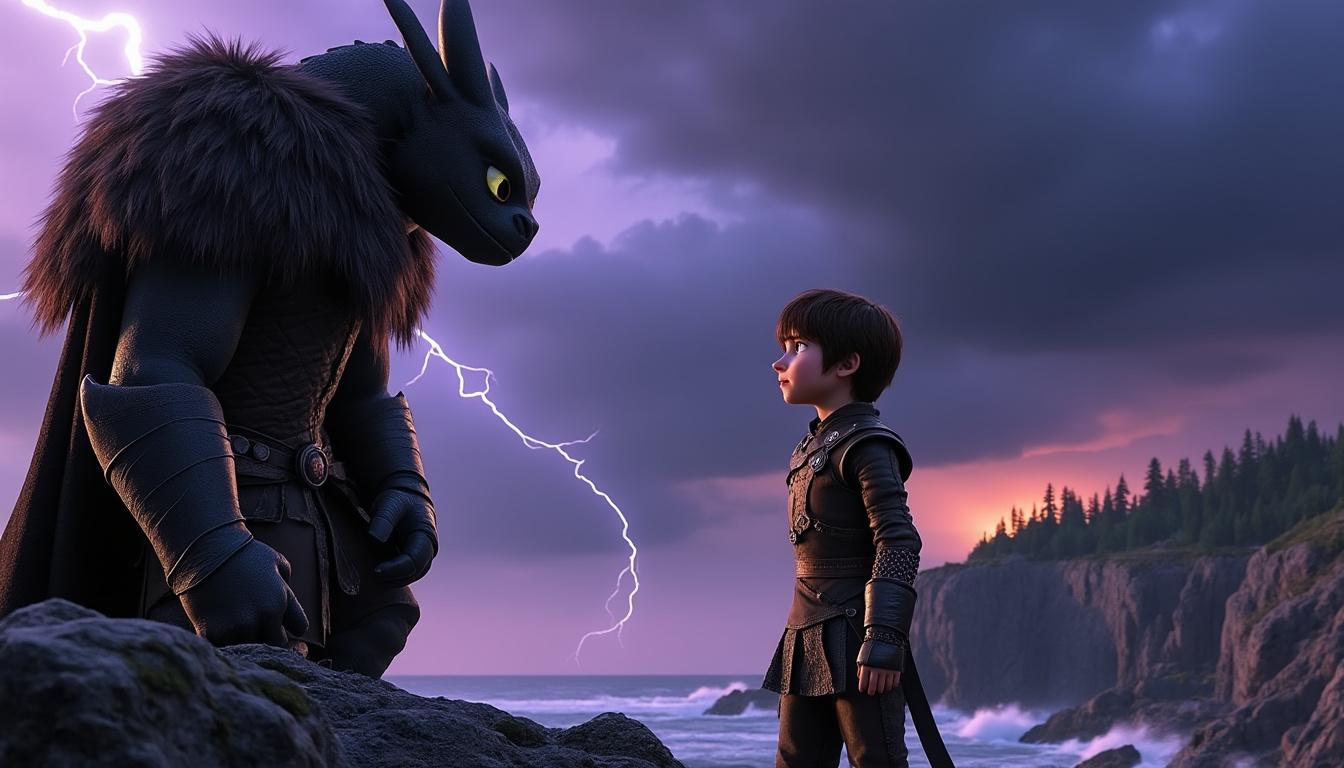
In the animated version, Drago Bludvist is portrayed as a complex villain with motives rooted in a desire for power and control. Transitioning from animation to live-action presents a unique challenge for filmmakers. The portrayal requires depth, ensuring that audiences connect with his motivations while viewing him as a definitive antagonist. Ólafsson’s interpretation of this character may delve deeper into his backstory, perhaps uncovering vulnerabilities that were not fully explored in the original.
This deeper exploration can elevate Drago beyond a one-dimensional villain. Consequently, the character’s interactions with Hiccup and other major players could introduce emotional stakes that resonate more profoundly with the audience. As Hiccup navigates his evolving relationship with Toothless and the return of his mother, conflicts with Drago promise to be intensified, pushing the narrative to new heights.
The Impact of Casting Updates on Audience Expectations
Casting developments often shape audience expectations, and the inclusion of Ólafsson as Drago has sparked considerable interest. With the combination of familiar faces and new talent, the film aims for a balance that honors its roots while appealing to contemporary audiences. Returning cast members such as Gerard Butler as Stoick, Cate Blanchett as Valka, and new additions will create a dynamic interplay among characters that enriches storytelling.
The anticipation surrounding this casting choice is palpable. Fans are eager to see how Ólafsson’s portrayal compares with Hounsou’s, enabling rich discussions about performance styles and adaptation choices. Comparing the two interpretations may lead to a deeper appreciation of Drago’s character and his place within the story.
As the film industry continues to experiment with casting choices in adaptations, the reception of this recasting may influence future projects. Taking cues from the success of adaptations like How to Train Your Dragon may set a precedent for studios in navigating their adaptations.
Audience Reactions to the Recasting Decision
Reactions to the announcement of Ólafsson as the new Drago have been mixed, showcasing the passionate nature of the How to Train Your Dragon fanbase. Many longtime supporters express their disappointment, feeling a strong connection to the original voice cast and the emotional depth it provided. Others, however, have embraced the change, viewing it as an opportunity for fresh interpretations and narrative possibilities.
This diverse range of responses highlights the importance of effective communication from studios. Offering insights into why casting decisions were made can help realign fan expectations, providing a context that may foster acceptance. Universal’s handling of this transition could serve as a case study in managing audience sentiment during significant production changes.
The Role of Nostalgia in Live-Action Adaptations
Nostalgia plays a dominating role in the success of adaptations of beloved animated films. Viewers often revisit childhood favorites with heightened expectations, eager to see familiar stories reimagined. This emotional attachment can prove challenging for filmmakers, who must tread carefully to honor original elements while bringing new life to the story.
How the live-action How to Train Your Dragon 2 balances these elements will be critical. Fans are excited for fresh dialogue, stunning visuals, and perhaps a more nuanced portrayal of familiar characters. The memories tied to Hounsou’s Drago will undoubtedly linger, and Ólafsson will face the challenge of carving out his own identity within this established role.
Previous successful adaptations demonstrate that insight into cultural shifts can reinvent narratives. Elements of humor, intense drama, and awe-inspiring visuals must all coexist, creating a product that appeals to both fans and newcomers alike. The combination will determine the film’s success and ensure it stands out in a crowded market of adaptations.
Lessons for Future Adaptations from How to Train Your Dragon 2
The ongoing development of How to Train Your Dragon 2 offers valuable takeaways for future adaptations in the film industry. The balance struck between nostalgia and innovation will be crucial, emphasizing that fans desire familiarity without sacrificing freshness. Directors and producers can learn the significance of casting decisions, ensuring that every role fills a particular vision and enhances the storytelling experience.
The interplay of nostalgia and innovation should guide future adaptations. As filmmakers continue to explore new storytelling pathways, the lessons learned from this sequel may shape the landscape of future projects, establishing new benchmarks for quality and audience satisfaction in live-action adaptations.
| Key Elements of Successful Adaptations | Strategies for Implementation |
|---|---|
| Respecting Original Material | Stay true to characters and themes that fans love |
| Dynamic Casting Choices | Incorporate fresh talent that brings new energy |
| Emotional Depth | Enhance character backgrounds and motivations |
| Visual Storytelling | Use stunning visuals to draw in viewers |
| Audience Engagement | Regularly communicate with fans about changes and updates |
By navigating these intricate dynamics, How to Train Your Dragon 2 is poised to carve its path in the live-action realm, exemplifying the delicate balance of honoring legacy while embracing novel interpretations. As anticipation builds, the film showcases the potential to evolve its narrative while standing firmly within the beloved franchise.