

In a world where television continuously evolves to reflect society’s changing values, discussions surrounding intimacy coordination have taken center stage. Recently, Allison Williams, renowned for her role as Marnie in HBO’s acclaimed series Girls, has opened up about the absence of an intimacy coordinator during the filming of the show. As the series comes back into public interest, Williams’ reflections offer crucial insights into the significance of support systems on set, particularly for actors navigating intense scenes of vulnerability.
Understanding the Role of Intimacy Coordinators in Modern Filmmaking
The role of an intimacy coordinator has become vital in enhancing the safety and comfort of actors involved in intimate scenes. These professionals serve as a bridge between performers and the production team, ensuring that each actor feels secure and respected while working on potentially distressing material.

Core Responsibilities of an Intimacy Coordinator
Intimacy coordinators are not merely present to supervise explicit content; their responsibilities encompass a wide array of critical tasks. Their involvement in a production can include:
- Pre-Production Planning: They collaborate with directors and producers to establish protocols for intimate scenes, discuss boundaries, and create a respectful and clear working environment.
- Choreography: Coordinators carefully choreograph intimate scenes, ensuring that all actors are comfortable with the depiction of their characters’ relationships.
- On-Set Advocacy: During filming, they act as liaisons between actors and other crew members, ensuring that performers can voice their concerns and needs without fear.
- Education: Offer workshops and training sessions for cast and crew, emphasizing the importance of consent and communication in all interactions.
The Evolution of Filmmaking and Support Systems
Since the introduction of the #MeToo movement, the film and television industry has seen significant strides toward promoting safer work environments. The demand for intimacy coordinators on set has surged, as their presence fosters an atmosphere of support and understanding.
As Hollywood continues to confront its past regarding misconduct and harassment, it becomes crucial to examine how support systems can act as preventative measures. These developments reflect a broader culture shift that emphasizes the well-being of all cast and crew members.
Allison Williams’ Reflections on Girls and the Absence of Support
Williams, a talented actor on Girls, recalls her experiences filming intense intimacy scenes without the guidance of an intimacy coordinator. On the podcast Not Skinny But Not Fat, she candidly remarked on the challenges faced on set. The stark contrast between her experiences and today’s industry standards highlights the missed opportunities for support that could have made a profound difference in her working environment.
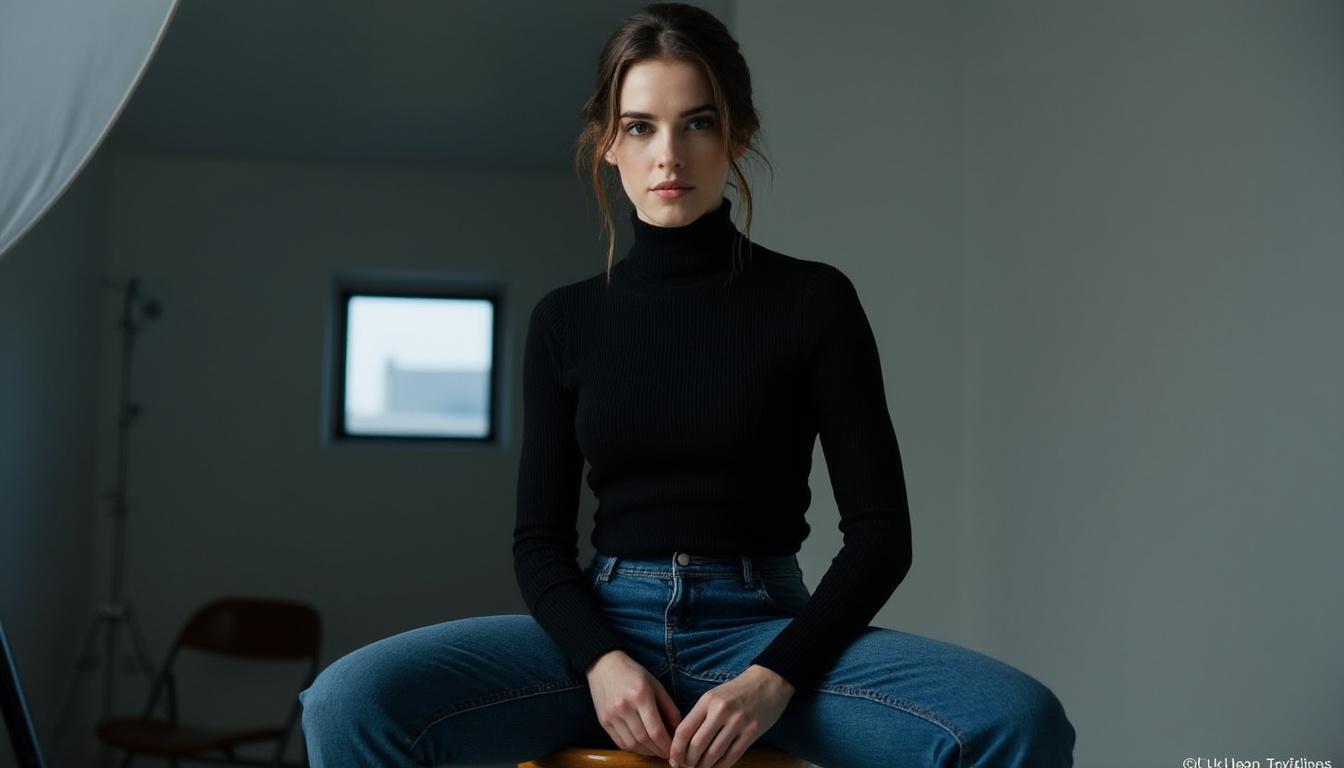
Anecdotes from the Girls Set
Among her most memorable accounts is the infamous Season 4 opening scene where her character, Marnie, engages in a passionate encounter. Williams recounted how the scene was improvised without professional choreography, involving her director and producer demonstrating the positioning to provide context.
“Jenni is leaning over a windowsill and Lena is behind her smiling,” she stated, reflecting on the awkwardness that characterized the moment. This illustrates the improvisational nature of the scene preparation, which lacked adequate support and guidance.
HBO only implemented the use of intimacy coordinators after the conclusion of Girls in 2017, following the involvement of Alicia Rodis on The Deuce. Williams’ experiences underline how vital it is to have professionals who specialize in maintaining a safe environment for performers.
The Impact of an Intimacy Coordinator
Since her days on Girls, Williams has since worked with intimacy coordinators, witnessing first-hand the advantages they bring. She emphasized that collaboration leads to everyone’s comfort regarding their respective roles, clothing choices, and boundaries, creating a more prepared atmosphere.
This structured approach not only enhances the overall experience for actors but also contributes to a more cohesive production. The inclusion of intimacy coordinators can foster creativity while ensuring that performers can focus on their performances without undue stress, allowing the storytelling to flourish organically.
| Key Differences in Filming with and without an Intimacy Coordinator | Without Coordination | With Coordination |
|---|---|---|
| Preparation | Improvised, with varying comfort levels | Structured, ensuring everyone’s comfort |
| Actor Comfort | Increased anxiety, potential awkwardness | Enhanced safety, open communication |
| Scene Execution | Less clear choreography, potential misunderstandings | Coherent, clear plans for intimate moments |
The Importance of Representation in Filmmaking
In a broader context, the conversation surrounding intimacy coordinators contributes to discussions on representation and inclusivity in Hollywood. As industries evolve, it is essential to recognize how the casting and portrayal of diverse narratives can impact the overall media landscape. With actors from various backgrounds bringing new perspectives to film and television, the inclusion of specialized support can facilitate a more equitable environment.
Creating Safe Spaces for Vulnerability
Creating an inclusive environment goes beyond casting; it’s equally about fostering safe spaces where all performers can express their art without fear. By incorporating intimacy coordinators, productions affirm their commitment to supporting not just the actors’ performances but also their emotional and psychological well-being.
The ripple effects of this support extend to audiences, who witness authentic portrayals that resonate with individual experiences. When actors feel protected, their performances can genuinely reflect the nuances of human relationships, allowing viewers to connect on deeper emotional levels.
The Future of Relationship Dynamics in Film and TV
As the industry moves forward, the emphasis on intimacy coaching and support indicates a positive evolution in how productions approach relationship dynamics on screen. Inclusivity and representation encourage exploration and nuance in storytelling.
- Innovative Storytelling: Diverse backgrounds can lead to fresh narratives and authentic relationships.
- Collaborative Environment: Building a supportive atmosphere can enhance creativity and innovation.
- Audience Connection: Authentic portrayals resonate on a personal level, enriching viewer experiences.
Challenges Ahead: Misconceptions and Learning Curves
Despite the progress made, misconceptions about the role and necessity of intimacy coordinators persist. Many still perceive these professionals as merely “the sex police,” which undermines their comprehensive role as advocates for performers.

Combatting Misunderstandings
Educational initiatives aimed at shedding light on the complexities of intimacy coordination can help combat misconceptions. Workshops, panels, and discussions can demystify the zone of intimacy and reveal how these coordinators foster a more straightforward creative process.
Furthermore, various organizations and industry members are pushing for wider acceptance of these roles, aligning with the ongoing advocacy for safe and responsible filmmaking practices. The stakes are high as better understanding can catalyze further changes in industry standards.
Moving Toward a Collective Effort
It is vital for industry stakeholders to join forces in promoting a culture where consent and open communication take precedence. Collaborative efforts can shift the narrative around intimacy coordinators and underscore their crucial involvement in filmmaking.
By aligning the interests of actors, production teams, and audiences, the industry can help normalize healthy communication practices on sets that will ultimately benefit everyone involved. The pivotal role played by intimacy coordinators indicates a promising future where filmmakers prioritize empathy and awareness in artistic storytelling, ensuring that no actor feels isolated or unsupported during the creative process.