
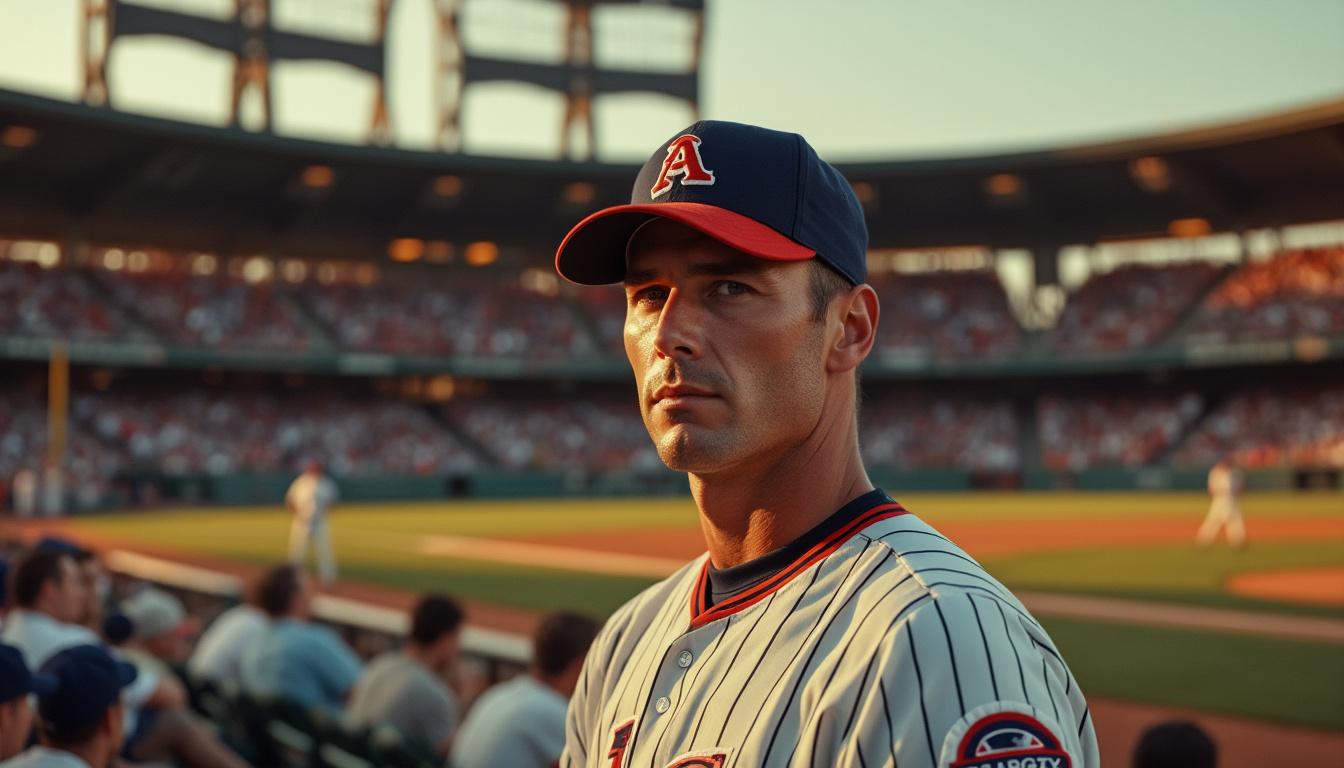
The Underrated Sports Drama: Draft Day’s Significance
Kevin Costner’s Draft Day, released in 2014, stands as an essential piece of sports cinema that’s often overshadowed by more high-profile titles. The film takes viewers into the high-stakes world of the NFL draft, providing a unique lens into the complexities faced by general managers. In this film, Costner plays Sonny Weaver Jr., the general manager of the Cleveland Browns, who must navigate a series of challenges to secure the future of his team. The narrative offers an engaging mix of personal and professional dilemmas that resonate beyond the realm of football.
Helmed by Ivan Reitman, a director known for crafting comedies and heartfelt dramas alike, Draft Day exemplifies how sports can reflect broader themes such as ambition, betrayal, and resilience. The film explores the pressure on management during the draft day frenzy, a moment that can define or destroy careers in the NFL. Costner’s performance adds depth to his character, showing the emotional weight that accompanies high-stakes decisions.
Despite its engaging storyline, Draft Day garnered a modest box office return of just over $29 million globally. Critics were lukewarm, with a current rating of 60% on Rotten Tomatoes, generated from 159 reviews. Some might argue the film suffers from the same fate as many sports dramas—it’s often compared to classics like Moneyball and judged against their innovative storytelling. Yet, Draft Day deserves recognition for capturing the zeitgeist of sports culture in America and providing a fresh take on the athlete story.
A notable aspect of Draft Day is its cast, featuring icons such as Jennifer Garner, Denis Leary, and Chadwick Boseman. Each actor enriches the narrative, contributing to the film’s exploration of loyalty, ambition, and moral compromises within sports. Their performances complement Costner’s portrayal, creating a cohesive ensemble that elevates the material.
With its upcoming Peacock premiere on March 31, 2026, there is a renewed opportunity for audiences to rediscover Draft Day. As part of the streaming lineup that day—which includes classics like Reservoir Dogs and Django Unchained—this film is poised for a second life.

The Cultural Impact of Kevin Costner’s Sports Movies
Kevin Costner remains a significant figure in cinema, especially in the realm of sports film. Movies such as Bull Durham, Field of Dreams, and the aforementioned Draft Day have not only entertained but also reshaped how sports stories are told on-screen. Each film reflects distinct American values, from perseverance to the spirit of competition, resonating with a wide audience. Costner’s involvement in these films extends beyond mere acting; he embodies the spirit of the athlete story throughout his work.
Bull Durham, released in 1988, is often hailed as one of the best sports comedies of all time. It chronicles the love lives and professional struggles of minor league baseball players, with Costner portraying the veteran catcher Crash Davis. Much like Draft Day, this film takes a closer look at the human aspects of the sport, effectively balancing humor with poignant moments of reflection. Costner’s knack for making projects relatable can be credited for the film’s enduring popularity and influence.
Meanwhile, Field of Dreams, which celebrated its legacy with a recent Peacock reboot, intertwines fantasy and sports, illustrating how deeply rooted baseball is in American culture. The film invites audiences into a magical narrative that touches on themes of fatherhood, redemption, and the ties that bind generations. Its lasting impact is evident in countless references in popular culture, making it a cornerstone of not just sports cinema but American film history.
The common thread among Costner’s films is their ability to capture the emotional stakes involved in sports. Through impactful stories, he brings the essence of athleticism to life, making audiences feel connected to the characters and their journeys. Whether it’s a high-pressure day in an NFL draft or the suspense of a baseball game, Costner’s films resonate with viewers, making them essential viewing for sports enthusiasts and casual fans alike.
As these classics continue to emerge on streaming platforms like Peacock, they present opportunities for new and veteran audiences to explore the multi-faceted narratives they offer. The upcoming release of Draft Day reestablishes its place within Costner’s filmography and invites viewers to revisit the complex emotions and moral dilemmas that define this genre.
Expectations for the Peacock Premiere
With the March 2026 release of Draft Day on Peacock, there’s a high expectation to see how the streaming platform promotes this overlooked classic. As the streaming landscape evolves, platforms compete fiercely for exclusive content, and older films are often given new promotional campaigns to attract both nostalgic viewers and newcomers. Peacock, in particular, has shown a keen interest in revitalizing classic films, especially those linked to sports.
The anticipation for Draft Day’s streaming debut is further heightened by recent trends in sports films and their revival in popular culture. The nostalgic appeal of classic films blends seamlessly with contemporary themes such as teamwork, perseverance, and integrity in personal aspirations. It opens a door for discussions on the significance of sports in society, all while enhancing the legacy of Kevin Costner’s work.
Moreover, the marketing strategies around the launch of Draft Day could mimic those seen during the promotion of previous sports films. Social media campaigns that engage audiences by asking them to share their favorite moments or quotes from the film could contribute to a successful launch. This perspective allows for a conversation that extends beyond the film itself, enabling audiences to connect over shared experiences and sentiments tied to sports.
In conjunction with Draft Day, Peacock will be showcasing its other film offerings, which include various sports classics and thematic dramas that compliment Costner’s work. Such programming decisions aim to solidify Peacock’s position as a go-to destination for sports enthusiasts and cinephiles alike. Viewers can expect a month packed with cinematic treasures that not only entertain but also evoke discussion on sports narratives in American cinema.
The timing of Draft Day’s release is particularly poignant, considering the renewed interest in sports and athlete-centric stories in television and film, fueled by recent events in the sports world. Recommendations and reviews from audiences and critics alike will play a pivotal role in determining the film’s reception upon its debut on the streaming platform.
| Film Titles | Release Year | Box Office Gross (Worldwide) | Rotten Tomatoes Rating |
|---|---|---|---|
| Draft Day | 2014 | $29 million | 60% |
| Bull Durham | 1988 | $50 million | 88% |
| Field of Dreams | 1989 | $84 million | 86% |
The Legacy of Kevin Costner in Sports Cinema
As the years pass, Kevin Costner’s contributions to sports cinema become increasingly evident. Films like Draft Day, Bull Durham, and Field of Dreams have shaped an entire genre, redefining what it means to create a compelling athlete story on the big screen. These films have successfully captured the emotional and psychological aspects of sports, allowing viewers to see beyond the mere competition.
The legacy set forth by Costner extends beyond his performances alone; it influences filmmakers and actors who seek to tell stories rooted in the sporting experience. His ability to embody the spirit of sportsmanship and the human condition showcases a rare talent that resonates with a wide audience. The themes of resilience, sacrifice, and the pursuit of dreams thread through his work, creating a narrative tapestry that is both universal and deeply personal.
In fact, as the sports movie genre has evolved, Costner’s influence can be seen in contemporary projects that embrace a similar storytelling style. Movies and series produced today often seek to capture the nuances of athletic life while addressing social issues that extend into the realm of sports. The connections drawn between personal struggles and the world of competitive sports give rise to rich narratives that evoke powerful emotions in viewers.
Costner’s films remind audiences that sports are not merely competitions; they are platforms that reflect larger societal issues, inclusive of ambition, redemption, and the human condition. His continued presence in the industry alludes to a willingness to further explore these themes and create stories that resonate across generations.
As Draft Day makes its way onto Peacock, it is poised to contribute to the ongoing dialogue about sports films and their cultural significance. The film’s premiere will not only serve as a chance for new audiences to discover its narrative but also reinvigorate discussions about Kevin Costner’s remarkable contributions to this genre.