
The Impact of Train to Busan on Zombie Cinema
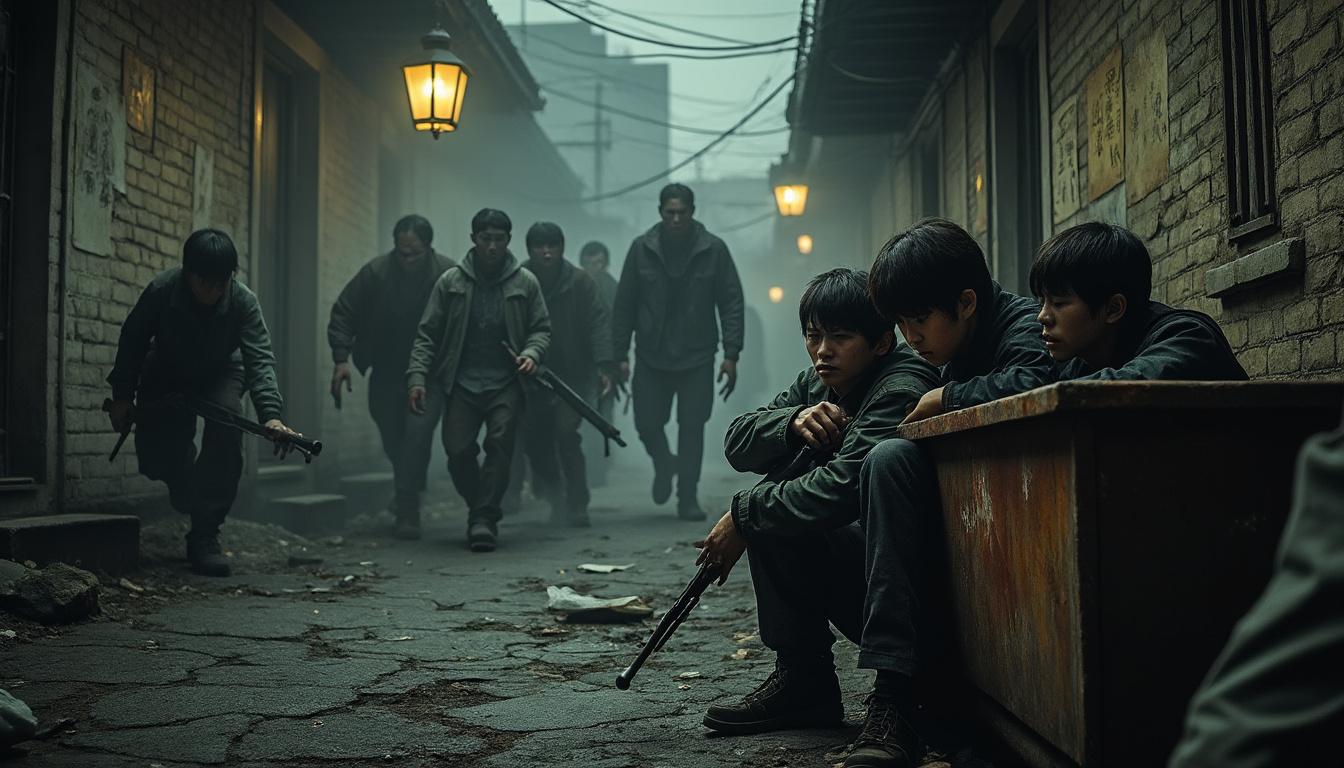
Since its debut at the 2016 Cannes Film Festival, Train to Busan has significantly reshaped the landscape of zombie cinema. This South Korean film, directed by Yeon Sang-ho, captivated both audiences and critics alike, boasting a compelling mix of horror, action, and emotional depth. It tells the story of passengers trying to survive a zombie outbreak while traveling on a high-speed train from Seoul to Busan. In a thrilling combination of tension and social commentary, the film became a global phenomenon, earning over $95 million worldwide against a modest budget of just $8.5 million.
The film’s success can be attributed not only to its gripping narrative but also to its distinctive approach to character development and societal issues. Unlike typical zombie flicks that focus solely on mindless gore, Train to Busan showcased the human condition under duress, exploring themes of altruism and sacrifice amidst chaos. This multifaceted storytelling raised the bar for future zombie films, pushing for more depth in character arcs and storylines, which in turn inspired a wave of Korean horror and thriller series to emerge.
Moreover, it set a precedent that the zombie genre could convey deeper messages, emphasizing the importance of community and humanity in times of crisis. The film also found broader acclaim with a critic aggregate rating of 95% on Rotten Tomatoes and a robust audience score of 89%. This underscores how well it resonated with viewers, leading to discussions across various platforms, both online and in casual circles.
Following the success of Train to Busan, the sequel, titled Peninsula, aimed to expand on its universe. Set in a post-apocalyptic world ravaged by the same virus, it sought to explore new characters navigating this chaotic atmosphere. However, the film garnered mixed reviews, receiving a 55% rating on Rotten Tomatoes, showing that while it may not have reached the heights of its predecessor, it nonetheless contributed to the ongoing evolution of the genre. As Netflix prepares to remove both films from its library, the relevance and impact of these films cannot be overstated.
The Rise of Korean Zombie Series in Streaming Culture
The last few years have seen a significant rise in Korean zombie series on streaming platforms, transforming the streaming landscape and how horror is perceived globally. Following the success of Train to Busan, several series have adopted similar themes, blending horror, drama, and character exploration.
One of the most notable entries is the Netflix series All of Us Are Dead, which debuted in early 2022. With its focus on high school students battling a zombie outbreak after a science experiment goes wrong, the show taps into the adolescent experience while maintaining the high stakes typical of the genre. This show not only serves as entertainment but also reflects on youth culture and social dynamics in South Korea. The series exemplifies how the genre can be both thrilling and poignant, using a familiar horror backdrop to delve into deeper societal issues.
Another prominent series is Kingdom, which combines elements of historical drama with a gripping zombie narrative. Set in Korea’s Joseon period, it presents a unique twist on the genre, showcasing how the undead can serve as a metaphor for corruption and disease within society. Its storytelling is enriched with political intrigue, thereby attracting a wide audience beyond just horror fans. The series has also enjoyed critical success, earning praise for its writing and production quality.
As seen in the rising popularity of these series, streaming platforms have become essential for fans looking to explore K-zombie culture. The ability to binge-watch entire seasons opens up opportunities for character development and complex narratives, a far cry from the limited scope of traditional horror films. As Netflix prepares for the exit of some notable titles, the solidification of the K-zombie genre promises to bring new projects and innovations in the future.
The Goodbye to Iconic Titles on Netflix
As part of its monthly routine of refreshing its content, Netflix has announced that it will be removing some beloved zombie films, namely Train to Busan and its sequel, Peninsula, from its library on May 2, 2026. This decision raises eyebrows, especially given the cultural significance these films have garnered over the years.
While it’s not uncommon for streaming platforms to rotate their library, the departure of such iconic titles could leave a significant gap for fans. Train to Busan, in particular, has served as a reference point in discussions about both the film and television industries, symbolizing how horror can be both commercially viable and critically revered. The film’s removal adds urgency for those who have yet to experience the emotional weight and thrilling action it provides.
Peninsula, although not as universally acclaimed, still offers a unique perspective on the ramifications of the zombie apocalypse. Following a former soldier’s mission to retrieve money from a zombie-infested area, it explores new themes surrounding greed and survival that deserve attention despite mixed reviews.
Below is a comparison of the critical reception and audience scores for both films:
| Film | Rotten Tomatoes Rating | Global Box Office |
|---|---|---|
| Train to Busan | 95% | $95 million |
| Peninsula | 55% | $42.6 million |
The removal of these titles may lead audiences to reconsider their viewing habits. Streaming platforms continue to curate content that resonates with global audiences, but the decision to let go of beloved films often leaves fans longing for more.
The Future of Korean Zombie Films
The trajectory of Korean zombie films appears set for continued evolution, especially with studios exploring innovative narratives and formats. There are ongoing discussions about potential remakes of existing titles, including a Hollywood adaptation of Train to Busan, which has generated excitement among fans of both horror and cinema alike. However, the anticipation surrounding the remake highlights the cultural significance of the original.
As audiences look forward to the next wave of zombie content, new series and films are already in production. These projects are expected to explore uncharted territories within the genre, maintaining the cultural relevance that has anchored the K-zombie phenomenon.
Moreover, with significant investments being made in production quality, the future of these films is poised to combine high octane action with layered storytelling. For example, upcoming projects in the pipeline could integrate advanced filming techniques and CGI effects to enhance the viewers’ experience, much like what was prevalent in the gaming world. This leap in technology opens doors to storytelling that could redefine horror tropes, allowing filmmakers to present zombies in new, unexpected lights.
As more international co-productions are initiated, the blending of Korean narratives with global themes could make for an even richer cinematic experience. Collaborations with foreign funding and creative talents may also spearhead innovative ways to present the horror genre. With changing viewer preferences toward streaming and binge-watching, exciting K-zombie content is sure to keep audiences on the edge of their seats. As attention shifts toward these upcoming projects, the fanbase for Korean horror continues to grow.
Cultural Implications of Zombie Films in Korean Society
The rise of zombie films in Korea serves as more than just a cinematic trend; it profoundly reflects societal anxieties. The themes present in these films often mirror pressing issues within Korean society, ranging from socio-economic disparities to fears of contagion and loss of humanity.
Korean audiences have increasingly recognized that zombies can symbolize broader societal fears. For instance, Train to Busan tackled themes of class struggle and human greed, illustrating how personal interests can undermine collective safety. The film presents a microcosm of South Korean society, forcing characters to grapple with their moral imperatives amidst rampant chaos.
Moreover, the fascination with the zombie genre can be traced back to the cultural history of Korea, where folklore and horror tales have long been part of the narrative tradition. This incorporation of local myths further enhances the relatability of these stories, making the genre a unique lens through which to explore contemporary realities.
As the genre gains traction, it’s becoming apparent how Korean filmmakers are redefining what it means to create horror. By infusing elements of tradition, culture, and current social issues, these films are neither merely entertainment nor disposable bursts of adrenaline. Instead, they challenge audiences to confront their fears and reflect on their humanity.
In sum, the evolving nature of Korean zombie films offers a rich tapestry of thrilling narratives grounded in cultural commentary. As the genre continues to grow and adapt, it stands as a testament to the creative ingenuity of Korean cinema, making a lasting impact on audiences both locally and internationally.