
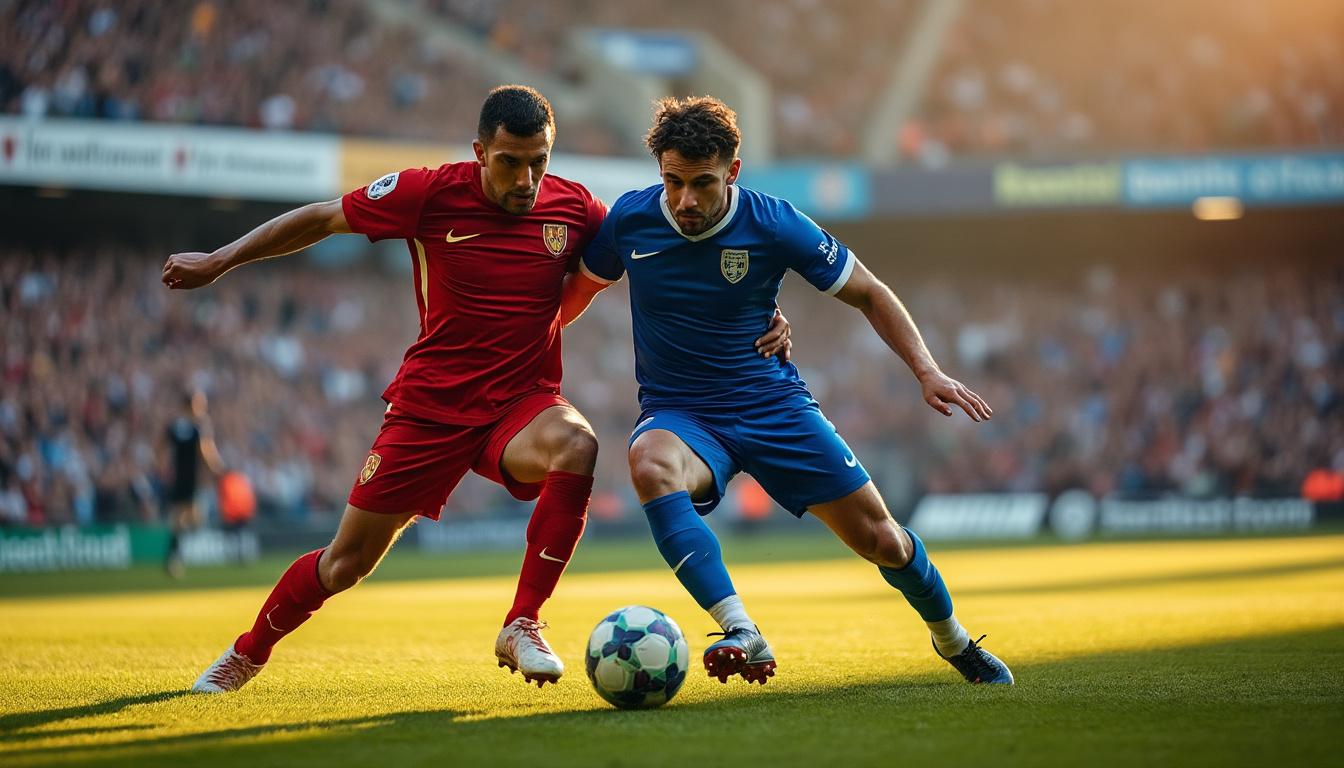
Fierce Rivalries: A Catalyst for Visibility in LGBTQ+ Sports
Fierce rivalries in sports often ignite not just thrilling contests but also a transformative journey for athletes, especially those from the LGBTQ+ community. These rivalries challenge the status quo and create platforms for visibility. When athletes engage in heated competitions, they push their limits, marking their presence in a field traditionally dominated by heteronormative narratives. The emotional stakes elevate the stakes of the game, enabling athletes to come out and embrace their true selves without the burden of societal expectations.
Take, for instance, the Canadian series Heated Rivalry, which adapts Rachel Reid’s novels. The show resonates deeply with many athletes, particularly those who identify as LGBTQ+. Hudson Williams, a star of the series, elaborated on the impact of the narrative, revealing that numerous athletes, some of whom remain anonymous, have reached out to him. This influx of messages demonstrates how rivalries can foster a sense of empowerment among players seeking to express their identities.
This phenomenon can be observed across various sports. Rivalries like those between icons such as Magic Johnson and Larry Bird not only fueled their success but also represented a shift in how students of the game could embrace diversity in teams and affiliations. The emotional intensity brought about by these competitors compels athletes to overcome personal hurdles, paving the way for collective growth within the sporting community.
The Role of Storytelling in Fostering Empathy
Storytelling plays a crucial role in bridging the gap between fierce competition and personal narratives. The series Heated Rivalry serves as a perfect case study of how storytelling builds empathy among viewers and athletes alike. By showcasing the struggles and triumphs of LGBTQ+ competitors, such narratives deepen public understanding of their experiences in athletics.
What happens when viewers empathize with these characters? The barriers of prejudice and misunderstanding begin to erode. Audiences witness firsthand how fierce rivalries lead to personal journeys marked by courage and resilience. Therefore, it’s essential for media representations to include diverse stories that allow these athletes to shine. This visibility in mainstream platforms cultivates an environment that may encourage other athletes to come out, reinforcing the idea that authenticity is essential to success in sports.
Furthermore, such representation has tangible effects. Studies indicate that increased visibility for LGBTQ+ individuals in sports can contribute to greater acceptance and support among audiences, creating a safer environment for competitors of all identities. The power of media narratives cannot be overstated; they serve not just to entertain but also to inspire future generations.
The Transformative Power of Competition
Competitiveness in sports is often regarded solely as a means of achieving personal and team goals. However, for LGBTQ+ athletes, competition can serve as a transformative experience, fostering empowerment and providing a refuge from societal pressures. When athletes compete fiercely, they channel their energy into their sport rather than focusing on the negativity surrounding their identities.
For many anonymous competitors, stepping onto the field or court becomes a vehicle for self-assertion. The drive to outperform rivals can serve as motivation to confront internal struggles and societal expectations. This conditioning helps them work past their fears and gain confidence both within and outside the sport. Stories from anonymous LGBTQ+ competitors often highlight how the drive to excel leads to a deeper self-acceptance.
The importance of celebrating these athletic achievements cannot be underestimated. The impact is felt on multiple levels—from personal identity to communal support. Achievements in sports create a ripple effect; fellow athletes and supporters witness these moments of victory, encouraging them to embrace their identities. A diverse list of athletes, spanning various sports, display how being openly LGBTQ+ is both authentic and empowering.
- Madison Hughes – Rugby: A trailblazer in dark times.
- Gus Kenworthy – Freestyle Skiing: An advocate for LGBTQ+ rights.
- Wade Davis – NFL: Helped break barriers for future athletes.
Breaking Down Barriers Through Rivalries
As rivalries escalate within the realm of sports, they often compel societies to reevaluate longstanding biases. The more athletes assert their identities, the more societal norms are challenged. Historical examples of rivalries showcase this truth—such as the famed competition between Billie Jean King and Bobby Riggs, which didn’t just captivate the sports world; it sparked conversations about gender equality and LGBTQ+ rights.
Current developments echo this. As Williams noted, anonymous messages from athletes reveal the struggle many continue to face, even amidst a changing societal landscape. The powerful narrative of Heated Rivalry exemplifies how art and sport can collide to tell impactful stories. Many athletes share that the show’s themes resonate deeply with their journeys.
By showcasing the internal battles of these characters while they fight for recognition, the production captures the essence of the competitors’ struggles. This creates a connection between the scripted drama and real-life experiences, fostering a deeper understanding and support for those who may not yet have the courage to come out.
Inspiring Future Generations
The impact of showcasing fierce rivalries extends beyond immediate recognition; it inspires future generations of athletes. Young athletes are increasingly looking for role models they can relate to, and visible representations within sports media are more important than ever. The acceptance of openly LGBTQ+ athletes fuels a sense of hope, fostering an environment where future competitors feel empowered to share their realities.
As communities rally behind these athletes, the advocacy for inclusivity grows, creating a safe space for budding sports enthusiasts who may struggle with their identity. Athletic programs increasingly advocate for policies that enable acceptance and support for LGBTQ+ individuals, ensuring their involvement in sports remains steadfast.
As sports evolve, the dialogue around equality becomes more significant. The narratives seen in shows like Heated Rivalry bridge the gap between sport and underrepresented communities, creating an inclusive landscape that allows everyone to thrive. The need for representation in various sectors grows more crucial, urging organizations to initiate progressive policies that make them inclusive.
| Year | Event | Impact |
|---|---|---|
| 2012 | Billie Jean King’s win over Bobby Riggs | Raised awareness about gender equality |
| 2020 | LGBTQ+ representation at the Olympics | Heightened visibility for LGBTQ+ athletes |
| 2022 | Launch of shows like Heated Rivalry | Promoted dialogue on LGBTQ+ issues in sports |
By acknowledging these milestones, the path forward for LGBTQ+ competitors continues to broaden, breaking down barriers and fostering a community of support. Such progress reinforces the belief that great achievements in sports are attainable for all, regardless of their backgrounds.