Matthew Lillard’s Character Complexity in Daredevil: Born Again
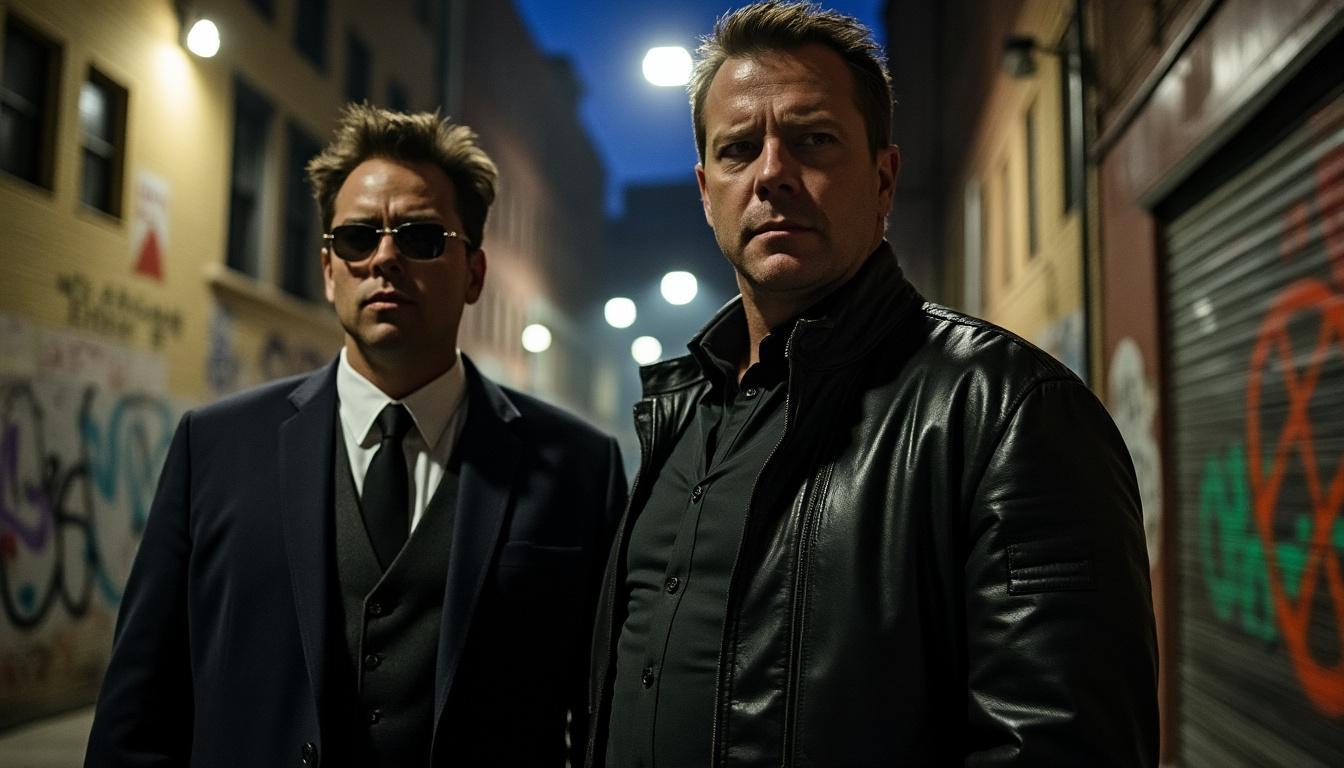
Matthew Lillard’s foray into the Marvel Cinematic Universe (MCU) has sparked excitement among both fans and critics alike. With his casting as Mr. Charles in the second season of Daredevil: Born Again, Lillard steps into a role that promises to intertwine deeply with the formidable Wilson Fisk, portrayed by Vincent D’Onofrio. According to Marvel Studios executive Brad Winderbaum, Mr. Charles is designed to be much more than just another villain; he embodies a character who is as influential and powerful as Kingpin himself.
Lillard’s character is positioned within a complex web of power dynamics where politics collides with superhero antics. This dynamic is reminiscent of Lillard’s earlier works, where he often played multi-faceted roles. In Daredevil: Born Again, the stakes are raised, as Lillard’s Mr. Charles finds himself embroiled in high-stakes negotiations and power struggles that threaten to reshape New York City.
In a world dominated by titans like Iron Man and Captain America, the introduction of a character who directly challenges Fisk adds an intriguing layer to the narrative. Winderbaum has hinted that Charles will not just oppose Fisk but will also engage with other characters, including Daredevil. The complexity of his alliances could lead to unexpected twists and turns, reflecting the unpredictable nature of superhero storytelling.
The character’s influence could extend beyond the confines of traditional villainy, often exploring morally ambiguous choices that resonate with modern audiences. This complexity encourages viewers to consider not just who is “good” and “evil,” but the very nature of power itself.
The Political Landscape of Hell’s Kitchen
One of the standout aspects of Mr. Charles’s character is how he encapsulates the political nuances of the MCU’s portrayal of Hell’s Kitchen. As New York City’s landscape shifts dramatically under Fisk’s regime, the emergence of Charles as a new player signifies a fresh chapter in Daredevil‘s storyline. Winderbaum elaborates that Wilson Fisk, initially viewed merely as a mob boss, is evolving into a multifaceted character with political ambitions that could rival those of local and international leaders.
This shift into political drama is not new for the MCU, which has already explored themes of power and corruption through series like Loki and films like Spider-Man. However, the dynamic between Fisk and Charles promises to delve even deeper, introducing viewers to a new world where heroes and villains must navigate the treacherous waters of politics while juggling their own agendas.
A notable element in this evolving landscape is the potential for crossover narratives between different superhero factions. For instance, should the character of Mr. Charles partner with other Marvel heroes, audiences may witness an engaging intersection of ideals and interests. This could elevate the stakes not only for the characters involved but also for the deeper moral questions facing the MCU community.
Moreover, as the MCU continues to build its universe, the introduction of Lillard’s character can be seen as an opportunity to expand upon existing lore and introduce new story arcs. Here’s a breakdown of potential political allies and enemies in Charles’s new world:
- Wilson Fisk (Kingpin) – The primary antagonist challenging Charles’s power.
- Daredevil (Matt Murdock) – Caught in the moral conflict between two powerful men.
- The Punisher (Frank Castle) – A wildcard who could side with either character depending on circumstances.
- Jessica Jones – A potential ally in scrutinizing the consequences of their power plays.
- Electra – May bring her own agenda to the table, complicating alliances.
| Character | Role | Potential Alliances |
|---|---|---|
| Matthew Lillard as Mr. Charles | New Antagonist | Fisk, Daredevil, Jessica Jones |
| Vincent D’Onofrio as Wilson Fisk | Established Antagonist | Various crime syndicates |
| Charlie Cox as Daredevil | Hero | Potentially both Charles and Fisk |
The Future of Daredevil and the MCU
The second season of Daredevil: Born Again has already garnered attention for highlighting not only the characters but also the broader direction of the MCU. With a showrunner like Dario Scardapane, known for his nuanced storytelling, it is likely that the series will explore the consequences of Charles’s role more deeply than anticipated.
Lillard’s character comes at a pivotal time in the MCU, especially with the introduction of new titles and series that aim to diversify the narrative and expand the universe in innovative directions. Each character brings distinct perspectives on heroism and villainy that challenge traditional archetypes.
There is also mounting speculation about how Mr. Charles might interact with other MCU elements. Could he forge alliances with Doctor Strange, who deals with mysticism that could intertwine with Charles’s political pursuits? Or might he end up clashing against familiar faces like Thanos, who once defined the overarching conflict of the Avengers saga? The answers to these questions can lay the groundwork for even further storytelling.
With Lillard onboard, the potential for crossovers could lead to high-stakes scenarios that entangle multiple narratives. Here’s how future MCU releases could tie into Lillard’s character journey:
- Exploration of New York Politics – Additional MCU films might address how Charles’s ambitions reshape the political landscape.
- Team-Up Events – Lillard’s character could unite with, or against, the Avengers as tensions rise.
- Daredevil’s Alter Ego – The balance between vigilante justice and political maneuvering could be a theme in future episodes.
- String of New Villains – Charles’s emergence might spur the rise of new power players, increasing rivalry within the MCU.
Anticipation and Speculation Surrounding Lillard’s Role
As the premiere date for Daredevil: Born Again Season 2 on March 4, 2026, approaches, the anticipation surrounding Matthew Lillard’s role continues to grow. Fans are keen to see how he will embody the complexities of Mr. Charles, a character that stands to redefine the power dynamics in an already intricate world.
Comic book portrayals have long captivated audiences; the adaptations often leave room for interpretation and speculation. What direction will the writers take when crafting Lillard’s character development? Will he begin as a close ally to Fisk, only to shift allegiances as the plot thickens? Such questions fill discussions on platforms such as Reddit and Twitter, showcasing the community’s engagement.
Moreover, Lillard’s history with complex horror and indie films could lend a unique depth to his performance, potentially steering the character into unexpected moral dilemmas as he engages with figures like Hulk and the recently introduced members from various franchises. It will be essential to see how his performance measures up against the gripping narratives of the MCU.
As Marvel Studios continues to expand its storytelling horizons, the interaction with various genres and themes enriches the narrative tapestry. Here’s what fans are eager to see:
- Character Arc – How well will Lillard navigate Mr. Charles’s complexities over the season?
- Interactions with Established Characters – How will Charles impact existing relationships within the MCU?
- Potential for Future Appearances – Could Mr. Charles become a recurring character beyond this season?
- Narrative Threads – What storylines will arise from Charles’s political power play?
Lillard’s Expanding Legacy Within the MCU
In addition to reshaping Hell’s Kitchen’s narrative, Lillard’s casting symbolizes a broader trend within the MCU to incorporate actors with previous indie film backgrounds into larger franchise roles. This transition mirrors what has been seen with actors like Tom Hiddleston and Paul Rudd, who initially came from diverse film roots before becoming integrated into the superhero fabric of the MCU.
This trend is not just about bringing talent to the forefront; it reflects an understanding of how storytelling can benefit from varied perspectives and experiences. Lillard’s rich background can offer a unique interpretation of Mr. Charles, potentially setting the stage for an expanded legacy that could include crossovers in other upcoming Marvel projects.
As Lillard takes his place alongside stalwarts of the MCU, he may redefine what it means to play a villain. In the modern superhero landscape, villainy is rarely black and white; complexities abound that challenge traditional narratives. His portrayal may expertly align with how today’s audiences grasp character motivations, especially in a landscape where perspectives are changing.
With a plethora of storylines unfolding, the evolution of Mr. Charles promises to bring an exciting blend of tension, drama, and unexpected twists to the forefront of the Marvel narrative. Fans of the MCU will undoubtedly be watching closely to see how Matthew Lillard brings this compelling character to life.