

Lisa Kudrow Reflects on Watching Friends: An Unlikely Embarrassment
In a candid moment during her recent appearance on Jimmy Kimmel Live!, Lisa Kudrow shared a surprising confession about watching the iconic sitcom Friends. Known for her role as the eccentric and lovable Phoebe Buffay, Kudrow revealed that she’s currently revisiting the series and feels oddly embarrassed to watch it in the presence of her husband, Michael Stern. This admission has sparked conversations about the complexities of celebrity life and the intimate dynamics within relationships.
Many fans assumed that actors would relish every moment of their own work, but Kudrow’s feelings highlight an underlying truth: the experience can be multifaceted, even awkward. When Kimmel asked her why she chose to watch the show alone, she humorously noted, “I’m watching myself on TV every night!” This simple statement encapsulates the oddity of re-experiencing one’s past performances, especially in the context of such a beloved show.
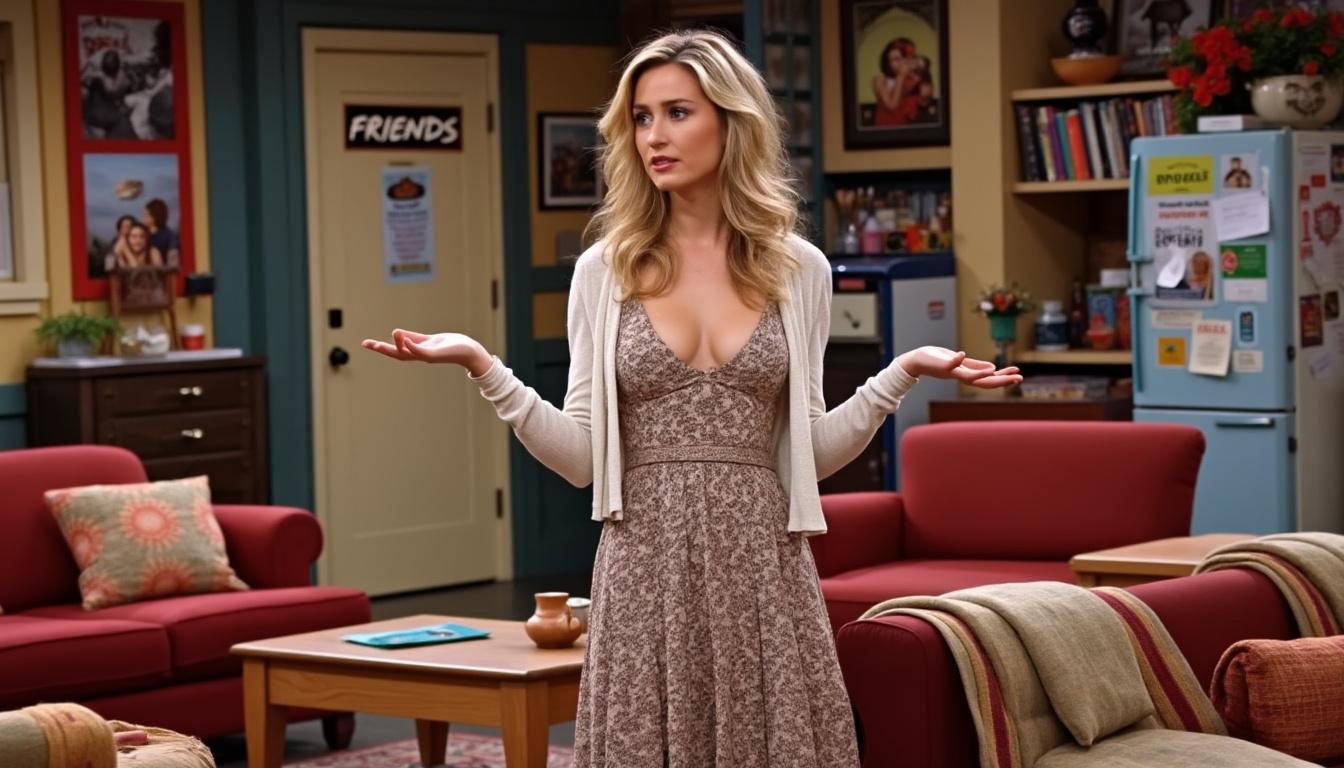
The act of watching Friends from the perspective of a viewer also highlights how much Kudrow can step back and appreciate the comedy. She mentioned that she prefers to binge-watch episodes late at night, once her husband has gone to sleep. This choice speaks volumes about her comfort level. It’s not just about watching an old sitcom; it’s about revisiting memories and reliving experiences that have shaped her career.
Moreover, the social dynamics at play are intriguing. Kudrow’s embarrassment likely stems from her sense of vulnerability. Watching oneself on screen, reliving lines, and experiencing the humor through a modern lens can feel invasive, especially when it involves a partner. The notion of entertaining her husband with her past work might bring a unique blend of anxiety and self-reflection, exposing the pressures that come with fame.
The dynamic between a celebrity and their audience adds another layer to Kudrow’s experience. Fans often develop a level of intimacy with TV characters, leading to expectations and assumptions about their lives. This is particularly relevant in the case of a show like Friends, which continues to be relevant and highly viewed in contemporary culture.
The conversation touches on the broader implications of celebrity culture—specifically, the expectations placed on performers regarding their past works. As Kudrow navigates the complexities of watching her defined character, she exemplifies the human experience of encountering the past while also trying to move forward.
Why Watching Friends Can Be Awkward for Lisa Kudrow
Kudrow’s discussion on late-night television shines a light on the duality of being both a performer and a person. The awkwardness she experiences while watching Friends isn’t unique to her; many actors grapple with similar feelings. In a personal and humorous manner, Kudrow articulated what many may think but never express: the discomfort of witnessing oneself in a comedic role can be a surreal experience.
Her statement about feeling like she’s “not watching it for myself” also underscores a critical aspect of engaged viewing as a creator versus a typical audience member. The distinction she makes draws attention to a line between a public persona and private identity. What happens when the often upbeat and humorous character on-screen collides with the more serious, reflective person off-screen?
Comedy, after all, is intricate and often deeply personal. Kudrow’s blend of humor and embarrassment demonstrates that watching oneself in a comedic role can elicit a range of emotions from nostalgia to self-criticism. Her reflections impart a sense of vulnerability, particularly as she relates to the funny moments within episodes that she has long moved past.
The comfort of binge-watching late at night speaks to a sort of liberation, detached from the bright lights of stardom. It allows her to appreciate the show from an outsider’s viewpoint, where laughter mingles with disbelief at just how far they had come in their careers. For instance, during her story about an episode featuring Alec Baldwin, she couldn’t recall the exact happenings yet found humor in the absurdity of Joey mistaking an oyster for a booger. This specific moment is not merely an anecdote; it reveals how the creative collaborative effort during filming led to spontaneous, memorable moments that transcend their original context.
With its ongoing popularity, Friends remains more relevant than ever, continuing to engage new generations who discover the series through streaming platforms. This contributes to the ongoing cycle of nostalgia and reflection that actors like Kudrow must navigate. Every time she watches the show, she participates in a vibrant epoch that heavily influenced television and pop culture.
The conversations surrounding Kudrow’s experience demonstrate the balancing act required from performers who must manage both public perception and personal sentiment. The nuances of feeling awkward while revisiting the past expose a range of complexities that come with celebrity status.
The Lasting Impact of Friends on Lisa Kudrow’s Career
The impact of Friends on Kudrow’s career is undeniable, shaping her path as an actress over the decades. The cultural phenomenon that the show became has consistently redefined the landscape of sitcoms and relationships in television. Kudrow’s portrayal of Phoebe Buffay has left an indelible mark, representing a unique combination of eccentricity and warmth.
Revisiting Friends not only allows Kudrow to reflect on her work but also interprets how far she has come since those days in the 1990s. Her shift in perspective brings about a fascinating discussion on how both the show and Kudrow herself have evolved. Moving through the seasons, she encounters moments that were highly memorable within the fandom but also staggering to view from her current self.
To illustrate the impact of Friends, consider the following table that outlines some of the cultural milestones associated with the show:
| Year | Significant Event | Impact |
|---|---|---|
| 1994 | Debut of Friends | Set the standard for ensemble sitcoms |
| 2004 | Series Finale | Left a legacy of friendships and catchphrases |
| 2020 | Revival of the series popularity | Gained new viewers through streaming platforms |
As Kudrow reflects on these moments, it becomes clear that her career has been shaped by the same dynamics that continue to influence modern comedy. Yet, the challenge of balancing her personal and public identities remains a consistent theme in her narrative. She is not just Phoebe; she has become a multi-faceted actress with a range of roles since the series concluded.
The Intersection of Celebrity and Personal Relationships
The experience Lisa Kudrow shares highlights the challenging balance between celebrity status and personal relationships. Many fans may assume that celebrities exist in a glamorized world where personal connections are straightforward. However, Kudrow’s reflections reveal the discomfort that often comes when personal and professional lives interweave.
In her discussion, the notion of embarrassment transforms into a deeper narrative about vulnerability in relationships. Watching Friends signifies more than mere entertainment; it is a shared experience with her husband, infused with elements of introspection. This interplay produces layers of complexity, revealing an intimate dialogue that many couples navigate but with a heightened public interest in this case.
Couples often find themselves sharing media that can evoke laughter or discomfort, but personality dynamics can dictate how one absorbs those experiences. In Kudrow’s case, this creates an interesting atmosphere where even her beloved character becomes subject to scrutiny and self-reflection. The discourse around celebrity culture adds depth to her experience, defining how performative aspects can influence personal relationships even after the cameras stop rolling.
Kudrow’s revelation serves to humanize the often-enigmatic world of celebrities. Her candidness reminds audiences that laughter is an essential glue that binds relationships, but it is also natural to feel a certain degree of embarrassment when past performances resurface. Engaging with familiar stories from the past allows longtime couples to create new narratives together, enriching their shared experiences.
Thus, the ways in which couples collectively engage with media can provide insight into their compatibility and levels of support when faced with vulnerabilities. Lisa Kudrow’s admissions during her interview open a fascinating dialogue about the very fabric that holds relationships together, particularly for those living under the constant gaze of public scrutiny.