
Understanding the Anaconda Franchise’s Journey
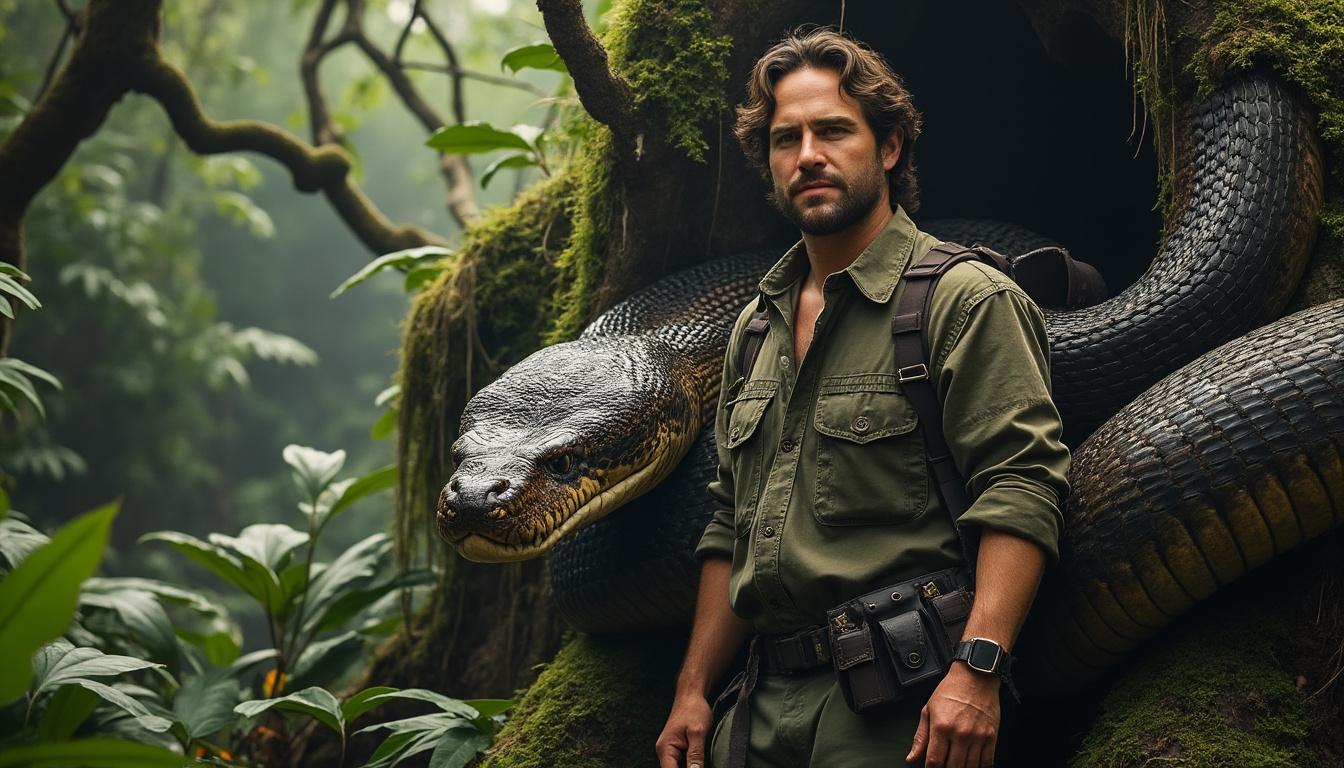
The Anaconda franchise, which began with the original film in 1997, has been a peculiar blend of horror and adventure, capturing the imagination of audiences with its over-the-top moments and sheer silliness. The original film, featuring stars like Jennifer Lopez and Ice Cube, set a standard that was both beloved and criticized for its low budget and campy effects. However, it became a cult classic, drawing viewers in with its thrilling premise: a killer anaconda terrorizing a documentary film crew in the Amazon jungle.
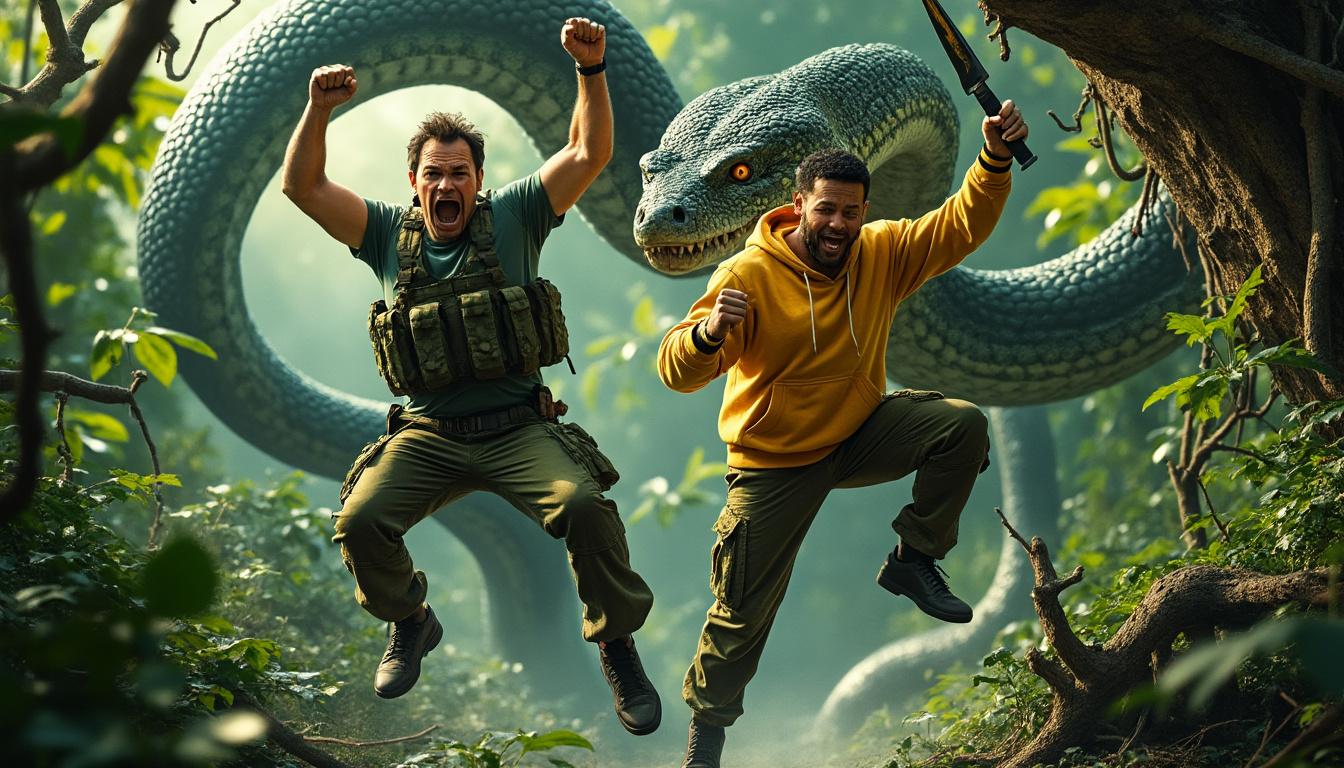
Fast forward to 2025, and the franchise finds itself undergoing a reboot with two recognizable faces leading the charge: Paul Rudd and Jack Black. The recent meta-reboot, simply titled Anaconda, seeks to revisit the charm of its predecessor while throwing in a modern twist. Rather than strictly following the horror themes, the new installment attempts to infuse a comedic angle, detailing the journey of two lifelong friends, Griff and Doug, who aim to remake their favorite film. Their journey quickly spirals into chaos when they encounter a real anaconda, leading to an unexpected adventure filled with humor and horror.
Despite the anticipation surrounding the film, early reviews indicated that it struggled to capture the same magic as the original. Critics gave it mixed-to-bad reviews, often citing the film’s inability to balance humor and scares effectively. Reviewers described it as a mediocre attempt at redefining the franchise, falling short of both comedic expectations and genuine thrills.
Nonetheless, this reboot achieved a surprising feat: it managed to outscore its predecessor on Rotten Tomatoes. The 2025 Anaconda has a score of 51%, while the original film rests at a modest 40%. This turnaround in critical reception indicates the franchise’s capacity for evolution, even if the journey remains rocky. Understanding these different facets of the franchise is vital for contextualizing the challenges and triumphs presented by this latest cinematic endeavor.
Critical Reception and Review Analysis
As the new Anaconda film hit the screens, critics were already warming up their pens to dissect its merits and failures. The film’s early reviews were anything but favorable. While some reviewers found moments of humor, the overarching sentiment was one of disappointment. According to HollywoodChicago.com‘s Patrick McDonald, the film was described as “weirdly introspective enough to work,” but it ultimately lacked the punch needed to make it a significant holiday hit.
Another review from ComingSoon awarded the film a mere 5 out of 10. Reviewer Jonathon Sim commented that while there were indeed moments that could elicit laughter, the film ultimately “misses the mark.” This sentiment was echoed across various platforms, highlighting the inconsistency in the movie’s comedic timing and delivery, crucial aspects that could either make or break the viewing experience.
Jeffrey Harris from 411mania voiced concerns about the film’s humor, stating, “Anaconda fails most at being funny.” The reboot attempted to appeal to audiences with a clever commentary on Hollywood’s obsession with intellectual properties, but ended up collapsing under the weight of its aspirations. This raises questions about the pressures of creating a successful reboot within a franchise that has a devoted fanbase.
Interestingly, not all reviews were overwhelmingly negative. FandomWire’s M.N. Miller offered a slightly sunnier perspective, suggesting that the film “works by being absurdly funny.” It indicates that for some viewers, the film’s campiness and self-referential humor did offer a fresh take, weaving something new into the fabric of a flawed classic.
In analyzing these reviews, one can surmise that the experience of watching the film can vary significantly based on viewer expectations. Those eager for nostalgia might walk away disappointed, while others open to an absurd interpretation could find enjoyment. As tastes evolve, so too does the definition of what constitutes a ‘successful’ film.
The Numbers Game: Comparing Film Scores
When comparing the film scores of both the 2025 Anaconda and the original, it becomes clear that this meta-reboot succeeded in surpassing viewer approval ratings despite its mixed reviews. The reboot currently flaunts a critic score of 51% on Rotten Tomatoes based on 84 reviews, eclipsing the original film’s score of 40%. This discrepancy opens the door for discussions about the evolving nature of cinematic reception and viewer expectations.
In addition to the critical score, it’s worth noting the audience reception. The reboot enjoys a commendable Popcornmeter score of 79%, a stark contrast to the original’s dismal 24%. This suggests that while critics may have been unkind, general audiences found a level of enjoyment that critics failed to capture. Perhaps the nostalgic factor played a role in this elevated viewer score, as audiences look for entertainment value rather than depth.
| Film Title | Rotten Tomatoes Score | Audience Score |
|---|---|---|
| Anaconda (2025) | 51% | 79% |
| Anaconda (1997) | 40% | 24% |
This data does more than just showcase numbers; it reflects a broader conversation in film culture—the tension between critics’ perspectives and audience reception. Often, what resonates with general audiences may not sit well with critics, creating a divide that can be enlightening in terms of taste hierarchies within the film industry. An understanding of these variables can clarify why some films skyrocket at the box office despite disappointing critical reception.
The Meta Approach: Rebooting vs. Remaking
The newest installment of Anaconda takes a meta approach, presenting a fresh perspective on the notion of remaking and rebooting beloved films. By focusing on characters who are attempting to recreate their favorite movie, the film blurs the lines between reality and fiction. This self-awareness could leave audiences questioning whether the film is attempting to satirize the very Hollywood trends it’s part of.
The notion of meta-humor has been gaining traction in contemporary cinema, and Anaconda leverages this popular trope to its advantage. This strategy, when executed well, can lend layers to the viewing experience but risks alienating viewers who may prefer straightforward storytelling and nostalgia-driven narratives.
Director Tom Gormican’s decision to embrace a meta narrative raises an interesting point about originality versus homage. While attempts to elevate the storyline through self-referential humor are commendable, they can also dilute the original’s charm. A successful balance is crucial but often difficult to achieve. Gormican’s take does allow room for a creative revival, even as it remains contentious among critics.
Through this lens, viewers are not merely passive observers but become involved participants in a dialogue about cultural production and viewer expectation. The fusion of parody and homage offers a unique experience but also risks leaving some audiences feeling disconnected from a film they had high hopes for.
Box Office and Cultural Impact
The financial viability of reboots like Anaconda cannot be overlooked. While critics have panned it, the potential for box office success remains significant, particularly during the holiday season when audiences look for lighthearted entertainment. Historical data shows that films positioned as comedies often experience significant earnings, particularly during family-centric viewing periods like Christmas.
Despite the film’s tepid critical reception, the buzz surrounding its stars and nostalgic influence might position it well for box office success. As per recent projections, the film stands to outperform even the most optimistic estimates, a testament to the franchise’s longstanding presence in popular culture. Moreover, given the elements of absurdist humor blended with nostalgic references, it might even become a sleeper hit among casual viewers.
This success could prompt further discussions about reboot culture in Hollywood, affirming the audience’s appetite for reinterpretations of their favorite films. While the conversation often centers around the artistic integrity of such projects, the box office metrics provide an undeniable reality check. Studios understand that, at the end of the day, audience engagement holds the key to profitability, even if critical reviews tell a different story.
The Anaconda reboot serves as a microcosm of the broader industry trends involving nostalgia, audience reception, and the creative challenges faced in balancing homage with innovation. It has sparked dialogues about what constitutes a successful modern film in an ever-evolving landscape.