
The Transformation of Ruth Ware’s ‘The Woman in Cabin 10’ into a Netflix Adaptation
Ruth Ware’s gripping psychological thriller, The Woman in Cabin 10, has captivated readers since its release, prompting excitement for its adaptation into a Netflix film. Directed by Simon Stone and starring the talented Keira Knightley, this adaptation offers a fresh take on Ware’s original narrative. While the novel focuses intensely on the journey of travel journalist Lo Blacklock and her encounters aboard a luxury yacht, the film expands on this premise, transforming it into a visual masterpiece that keeps audiences on the edge of their seats.
The novel’s logline sets the stage: during a lavish cruise, Lo witnesses a horrifying event as a fellow passenger is thrown overboard, yet she is told that all passengers are accounted for, putting her sanity at stake. The adaptation retains this essence but redefines the way the narrative is presented, making certain structural changes intended to amplify the emotional and psychological stakes involved.
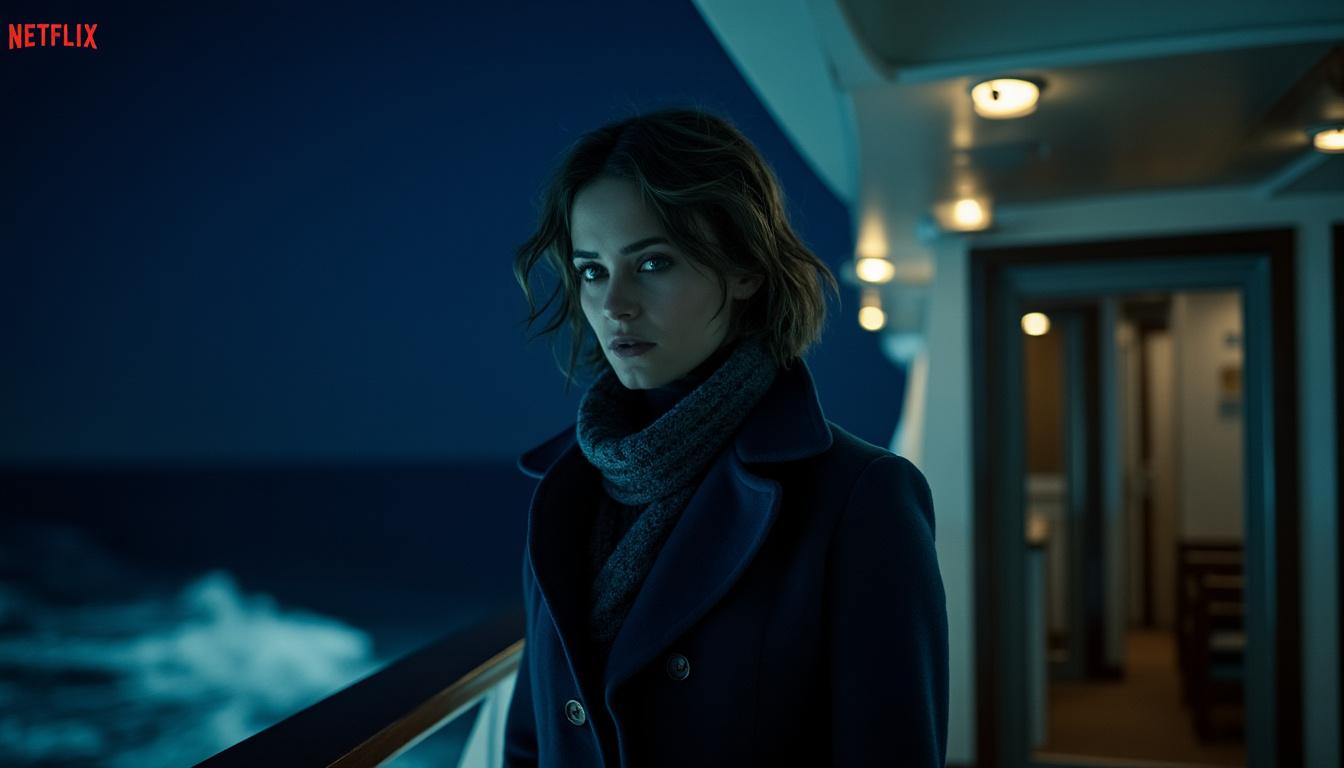
The film has received mixed reviews, but it offers a promising glance into the world of psychological thrillers adapted for streaming platforms. In contrast to the traditional “whodunit” style, where answers unravel at the story’s conclusion, Ware’s narrative explores questions of justice and personal turmoil. This shift raises significant interest among audiences and critics alike, allowing them to engage with more than just the murder mystery aspect.
The creative choices made in the film adaptation lead to deeper insights into Lo’s character and her motivations. Knightley brings a multifaceted portrayal of Lo, skillfully translating the character’s vulnerability and determination. This adaptation further illustrates the potential of Netflix to reinterpret literature for contemporary viewers, blending suspense with modern storytelling techniques.
The difference in tone and atmosphere between the novel and its adaptation serves to reflect shifting cultural narratives, particularly regarding female agency amidst male-dominated contexts. By emphasizing themes of solidarity among women, the film aims to resonate with viewers in new ways, prompting discussions on broader societal issues.
Ruth Ware’s Involvement and Experience
One of the most enchanting aspects of an adaptation is witnessing the author’s involvement in the process. Ruth Ware has expressed her excitement about the Netflix film, having visited the set during filming. Her firsthand experience allowed her to observe firsthand how her written words came to life. “It was incredibly surreal,” she noted, reflecting on the experience of seeing characters she envisioned manifest in tangible forms.
Ware’s reflections on the visual representation of her characters hint at the profound connection an author develops with their creations. This sentiment is relatable to many content creators, as they often invest emotionally in their characters and stories. Witnessing their portrayal by renowned actresses, such as Keira Knightley, can be both exhilarating and daunting.
The ethereal luxury of the yacht, combined with the high-stakes drama, paints a visceral picture, echoing the nature of the thriller genre. However, Ware did not shy away from recognizing the differences between the film adaptation and her original story, recognizing the liberties taken for the cinematic rendition.
- The importance of visual storytelling: How adaptations necessitate changes for more profound emotional impact.
- Character complexities: Exploring how actresses can delve deeper into personalities than what’s written.
- The author’s journey: Ruth’s involvement narrates the highs and lows of seeing one’s work on screen.
The New Ending: A Game Changer for ‘The Woman in Cabin 10’
A striking aspect of the Netflix adaptation is its new ending, which diverges significantly from the conclusion in Ware’s novel. While the book leaves readers within Lo’s headspace—primarily witnessing her unresolved turmoil—the film’s ending declares a more empowering scenario. The changes reflect not just a narrative shift but an intentional decision to give closure to the characters, particularly Lo.
The alteration in the ending underscores a movement toward providing audiences with satisfaction and resolution, particularly regarding central themes of empowerment, sisterhood, and accountability. In the novel, much of the resolution occurs off-screen, leaving readers speculating about the fates of various characters involved.
Ware has expressed her approval of this change, stating, “It was one of the changes that I loved about the film.” The cinematic conclusion emphasizes the solidarity among female characters coming together to confront an antagonist, showcasing a sense of justice that resonates deeply in today’s socio-political climate.
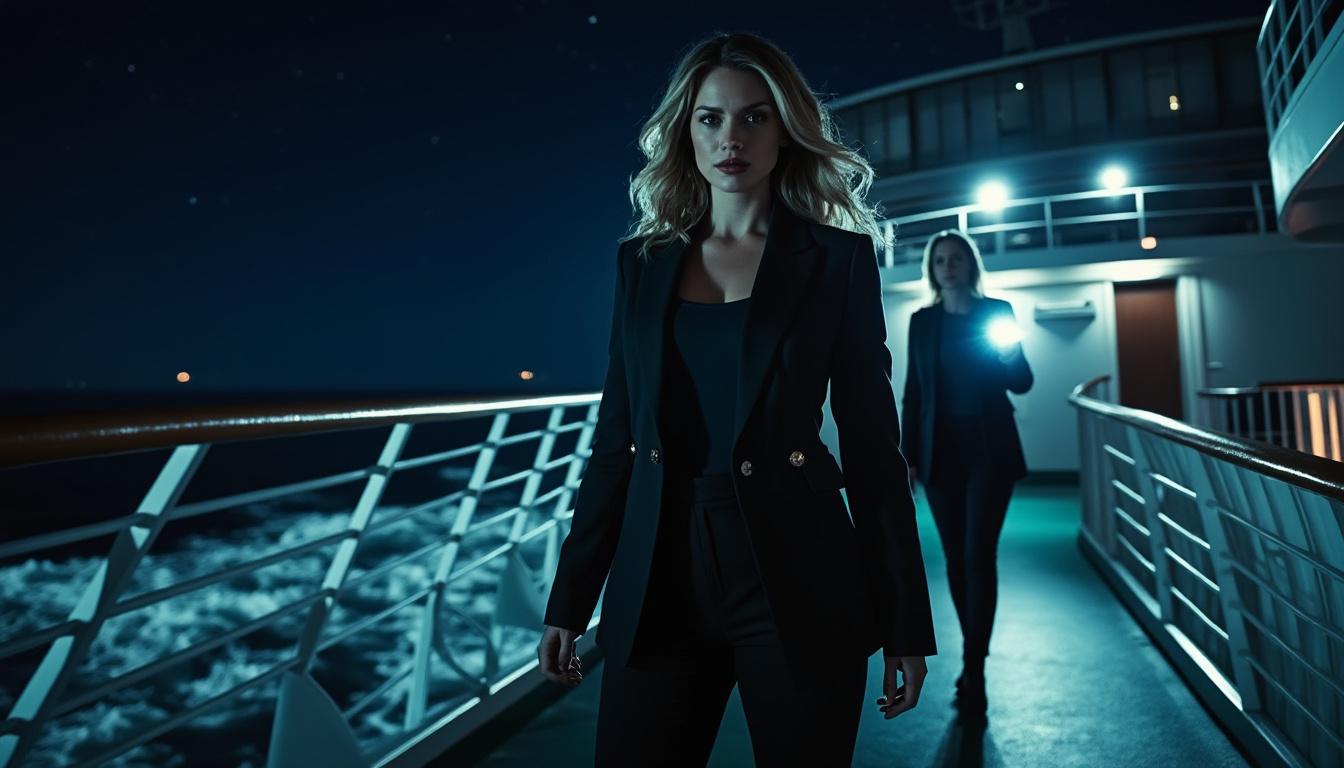
This shift can be viewed as a reflection of the times—where narratives championing female agency resonate with audiences worldwide. As issues surrounding consent, domestic violence, and women’s rights continue to spark conversations, adaptations such as this one present opportunities to use art to challenge conventional narratives. Thus, the film adaption allows for a more profound exploration of resilience and collective strength among women.
The complexity of female relationships depicted throughout the adaptation can prompt viewers to reflect on their lives and experiences. The change serves not only to enhance the story but to empower an audience that often seeks representation and relatable experiences on screen.
Ultimately, this new ending has sparked discussions about the responsibilities filmmakers have toward their source material, especially in adaptations that have the potential to expose issues of social significance.
Audience Reception and Cultural Significance
Audience reception of The Woman in Cabin 10 on Netflix has sparked varied opinions, highlighting the complexities surrounding adaptations. The departure of the film from the novel stirred discussions among fans of Ware’s work, who have differing views on whether adaptations should stay true to the source material or embrace creative reinterpretations.
The film has been the subject of analysis in various media outlets. Review platforms like Rotten Tomatoes and Goodreads provide insight into public opinion surrounding the film, showcasing either enthusiasm or skepticism. As with most adaptations, the discussions delve into the intricacies of storytelling choices and character development.
- Rotten Tomatoes: A mixed reception reflects a 60% approval rating, with some praising the film’s visual style.
- Goodreads: Adaptation-related discussions ignite interest in Ware’s source material.
- Entertainment Weekly: Regards the adaptation as a bold take, highlighting the empowerment aspects.
| Aspect | Novel | Film |
|---|---|---|
| Ending | Ambiguous resolution, less closure for Lo | Empowering conclusion, emphasis on female solidarity |
| Character Perspective | Lo’s internal thoughts as the focal point | More rounded character arcs, showcasing multiple viewpoints |
| Visual Storytelling | Imaginative interpretation through prose | Rich visuals and dramatic performances elevate storytelling |
The Impact of Streamed Adaptations on Storytelling
The emergence of streaming platforms like Netflix has revolutionized the film industry, particularly how stories are told and adapted from literature. Netflix has become a prominent player in this realm, offering filmmakers and writers the liberty to explore narratives through diverse lenses and innovative techniques.
The adaptation of The Woman in Cabin 10 distinguishes itself by experimenting with traditional storytelling structures. The liberty to restructure narratives opens avenues for pacing and tone, enabling filmmakers to craft emotionally resonant experiences rather than being constrained by the expectations of runtime.
As audiences seek engagement beyond the screen, the storytelling medium must adapt to changing consumption habits. Films designed for streaming allow more extended exploration of storylines and character arcs, ensuring depth and nuance.
Moreover, the success of such adaptations encourages more literary works to find homes on streaming services, fostering collaborations between publishers and production companies. Penguin Random House and HarperCollins are just two of the publishing houses likely to push for film adaptations to reach wider audiences.
- Increased viewer engagement: Allows for deeper exploration of complex character dynamics.
- Innovative storytelling: Breaks free from traditional pacing and narrative constraints.
- Broadening literary exposure: Easier transition for books to film adaptations through strategic partnerships.
The Future of Adaptation in the Streaming Era
The future landscape of adaptations in the streaming era appears promising, as seen with The Woman in Cabin 10. Directors, writers, and authors are more equipped than ever to collaborate on impactful stories that resonate culturally and emotionally.
As streaming services like Netflix continue to finance such projects, there lies potential for more gender-diverse storytelling that addresses modern societal issues. The cultural significance harnessed through visual art campaigns can be a vehicle for positive discourse surrounding pressing matters, ultimately evolving beyond mere entertainment.
- Opportunity for Diversity: A push towards inclusivity can redefine how stories are told.
- Support for Independent Writers: Lesser-known authors gain visibility through adaptations.
- Challenges to the Status Quo: Allow critical themes to emerge from varied narrative angles.