
Reactions from the Star Trek: Starfleet Academy Cast
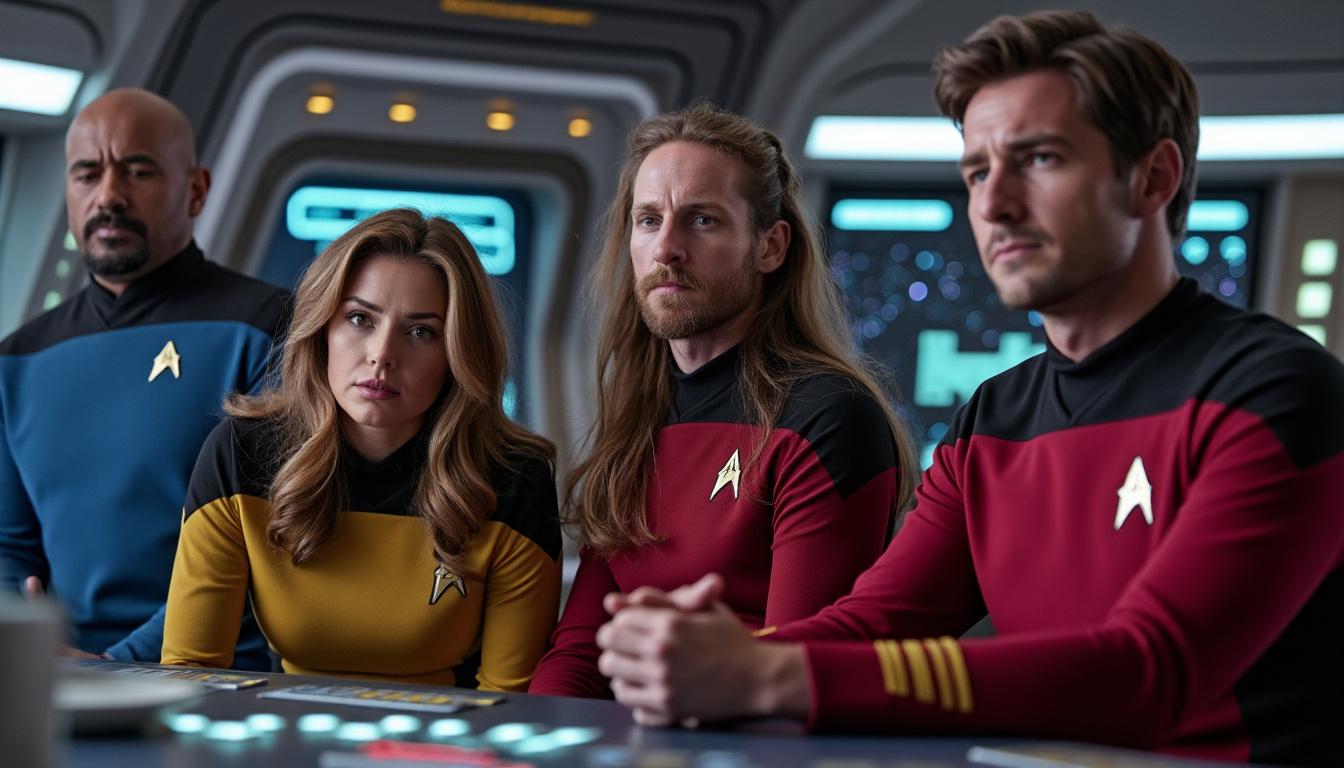
The recent announcement regarding the cancellation of Star Trek: Starfleet Academy after its second season has sent ripples through the sci-fi community. Fans who have followed the adventures of the young cadets expressed their feelings, as two main cast members shared their heartfelt reactions on social media. These responses highlight a blend of nostalgia and disappointment, a common thread in entertainment circles when beloved shows come to an end.
Karim Diané, who plays Jay-Den Kraag, took to Instagram to express his bittersweet sentiments about the series concluding. He remarked on the difficulty of the news, emphasizing how much he cherished being part of an iconic franchise. He elaborated that filming 20 episodes was a profound honor and a chance to work alongside some of the industry’s most talented individuals. In his post, Diané reassured fans that the upcoming season would elevate the show’s quality, hinting that it would surpass the first season with even more engaging storylines.
Similarly, Raoul Bhaneja, who plays Chancellor Kelrec, expressed his own disappointment regarding the show’s cancellation. He candidly mentioned feeling “a little sour” about the announcement but also looked forward to the final season. He reassured fans that despite the circumstances, they could expect an exciting culmination of character arcs that had been developed throughout the series. Bhaneja’s reflections celebrated the camaraderie among cast and crew, reinforcing a sense of community that is often seen in long-running series.
This emotional juxtaposition in their reactions echoes what many fans are feeling—a blend of gratitude for the journey and sadness over the ending. The Starfleet Academy cast’s responses illustrate the ties that bind actors to their roles and the worlds they inhabit. Such an emotional farewell is a predictable outcome when cherished projects conclude.
The Broader Impact of Cancellation in the Star Trek Franchise
The cancellation of Star Trek: Starfleet Academy after its second season isn’t a standalone event within the franchise. It occurs amid a complex landscape of ongoing productions and planned future series, including the highly anticipated concluding season of another beloved show, Star Trek: Strange New Worlds. The broader implications of such cancellations often spark discussions about the franchise’s direction and its engagement with fans.
Writing for various entertainment outlets has unveiled sentiments about the financial and creative decisions influencing these announcements. The possibility of reallocating resources to new projects offers some insight into why shows conclude before audiences feel ready to let go. Fans often struggle to comprehend these strategic choices, especially in a franchise revered for its immersive storytelling and legacy.
Interestingly, the reactions from audiences usually split between those who understand the business maneuvers and those who feel blindsided by abrupt cancellations. Such unpredictability creates a charged atmosphere among viewers who are deeply invested in the narratives and characters. In this latest situation, for example, discussions have surfaced around the necessity of allowing stories to reach a satisfying conclusion rather than leaving fans in limbo.
As the Star Trek universe continues to expand, it’s critical to acknowledge the emotional weight carried by these announcements. The latest trends in TV show cancellations go beyond mere viewership numbers; they symbolize how audiences engage with the content, becoming emotionally attached to what they see on screen. The reactions from the cast serve as a reminder that behind every iconic series are stories of collaboration, shared dreams, and unmatched dedication.
The Complex Landscape of Sci-Fi Series Cancellations
Cancellations in the science fiction genre have a historical precedent that shapes audience expectations and reactions. Programs that dabble in speculative themes and expansive universes often grapple with distinct challenges that can influence their longevity. With the cancellation of Star Trek: Starfleet Academy, one ought to consider how external factors like competition in programming and shifts in viewer preferences impact the fates of such shows.
One notable example is the early 2000s cancellation of Star Trek: Enterprise, which marked a moment of uncertainty for the franchise. Fans rallied together, expressing their disbelief and disappointment at the sudden conclusion, mirroring the current reactions to Starfleet Academy. Such patterns indicate a pronounced emotional connection with franchises that have come to represent more than just entertainment—they embody community, imagination, and escapism.
Moreover, the rise of streaming services has introduced layers of complexity regarding viewership analytics. In an age where audiences can consume content at their own pace, traditional metrics of success may not fully capture a show’s impact or legacy. Star Trek has never shied away from experimentation, pushing boundaries with groundbreaking stories while also facing the reality of evolving landscapes.
A deeper analysis reveals that both cancellation announcements and cast reactions often serve as reflections of wider societal sentiments. Sci-fi gives voice to themes that resonate with audiences, and when a beloved series ends, it can feel as though a significant chapter in viewers’ lives has closed. Reflecting on this, the legacy of Star Trek remains prominent—pride in its storytelling, innovation, and capacity to evoke powerful reactions from both fans and cast alike.
Connecting Fan Communities Through Cancellations
The announcement of series cancellations often stirs robust discussions within fan communities. In the case of Star Trek: Starfleet Academy, social media platforms became a hotbed for fan reactions, where discussions ranged from shared memories of favorite episodes to frustrations regarding abrupt endings. Cancellations effectively unveil the strength and passion of these communities, reinforcing ties among long-time fans and new viewers alike.
Online platforms provide a space for audiences to express their grievances, share art, and rally for the continuation of beloved narratives. Fans of Star Trek are no strangers to activism; petitions have circulated in the past advocating for the return of series or the continuation of story arcs that remain unresolved. These movements underscore how deeply ingrained Star Trek has become within popular culture, allowing fans to feel a part of a larger narrative even as shows get canceled.
Such community-driven responses underscore a collective grief, yet emphasize resilience. Fans often find solace in commemorating their favorites through fan fiction, artwork, and other creative avenues. The shared sadness over the end of Starfleet Academy serves not only as a testament to its impact but also as a reminder of the power of storytelling. While the series may no longer continue, the bonds formed among viewers will carry on.
Learning from Past Cancellations
The cyclical nature of cancellations in television invites reflections on the lessons that can be drawn from past experiences. The Star Trek franchise has experienced highs and lows over the decades, navigating both creative triumphs and difficult farewells. Examining how the franchise has successfully revived itself following challenges presents valuable insights into what can be expected moving forward.
For instance, the revival of shows like Star Trek: Discovery has signified a renewed interest in telling diverse and contemporary stories within the universe. However, such renewals also encounter hurdles of sustaining quality and viewer engagement through changing landscapes. Various factors contribute to the fate of shows, including budgetary constraints, shifting audience demographics, and the need for original content.
Reflecting on previous cancellations, it becomes essential to remember the virtues of adaptability and innovation. Shows that embrace current trends while remaining true to their origins often stand a better chance of thriving. In the case of Star Trek: Starfleet Academy, while it faced untimely cancellation, the experience gained and stories shared will undeniably influence new projects within the franchise.
As the Star Trek universe evolves, fans can anticipate fresh narratives woven with modern themes and perspectives. The decisions made in light of cancellations will only serve to sharpen the franchise’s vision, propelling it into uncharted territories while honoring its legacy. Thus, even in the shadow of endings, possibilities for new beginnings remain alive and well.
| Show Title | Seasons | Cancellation Year |
|---|---|---|
| Star Trek: Enterprise | 4 | 2005 |
| Star Trek: Starfleet Academy | 2 | 2026 |
| Star Trek: Discovery | 3 | 2026 |
Overall, the enduring love for the Star Trek franchise reflects an unwavering commitment to storytelling that transcends any cancellation. The emotional connections formed between the series, cast, and its passionate audience will resonate long after the final credits roll.