
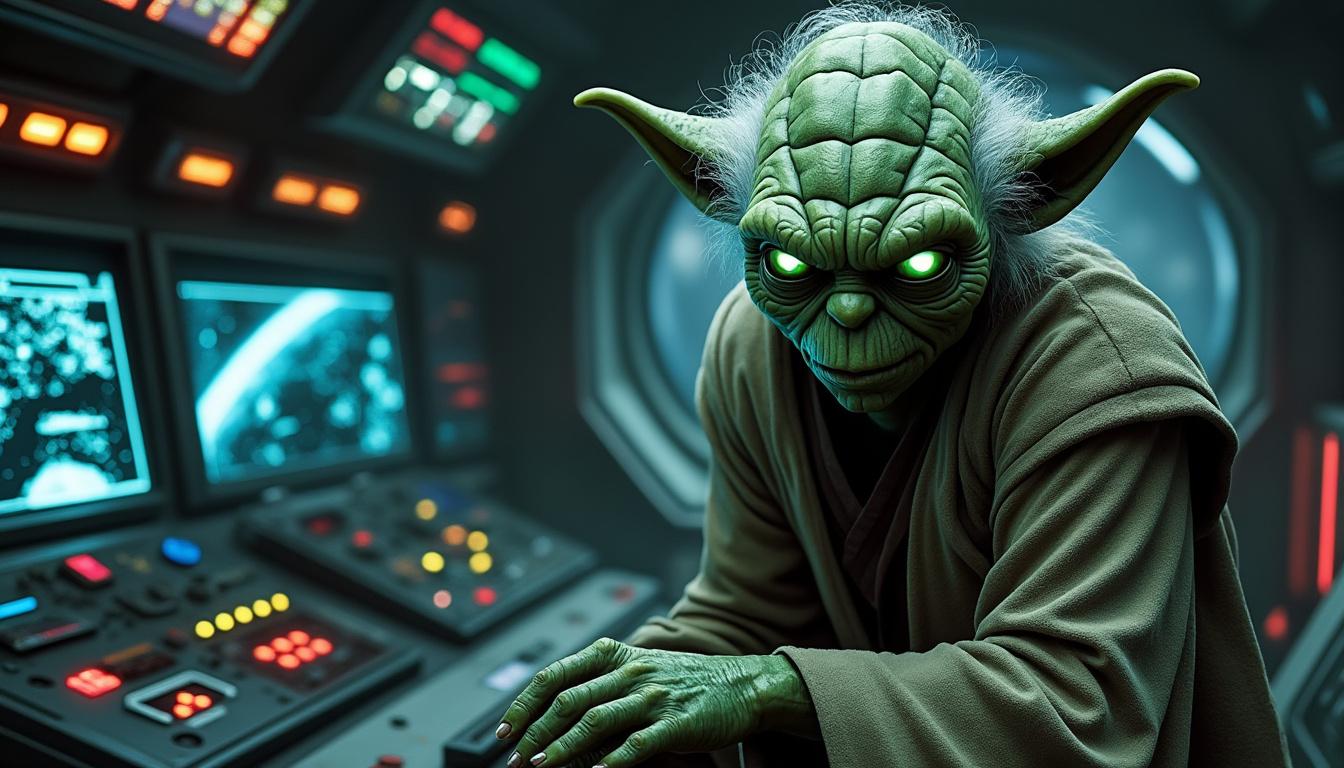
An Overview of The Acolyte’s Context in the Star Wars Universe
Star Wars has long captured the imaginations of fans with its complex characters and expansive lore. One of the latest entries into this rich tapestry was the series titled The Acolyte, which aimed to shed light on a previously unexplored era in the Star Wars timeline: the transition from the High Republic to the more sinister events of the prequel trilogy. Set against a backdrop of political turmoil and dark secrets, the show promised to deliver a compelling narrative filled with moral complexities.
However, as recent developments have revealed, The Acolyte faced significant challenges during its production. Despite initial excitement from fans, the series was abruptly canceled after just one season, leaving many storylines unresolved. One of the notable cliffhangers was the ambiguous relationship between Master Yoda and Jedi Knight Vernestra Rwoh, who appears at the end of the season in what many consider a pivotal moment. This scene hinted at deeper themes that would have been explored in a potential second season, particularly Yoda’s connection to the dark side of the Force.
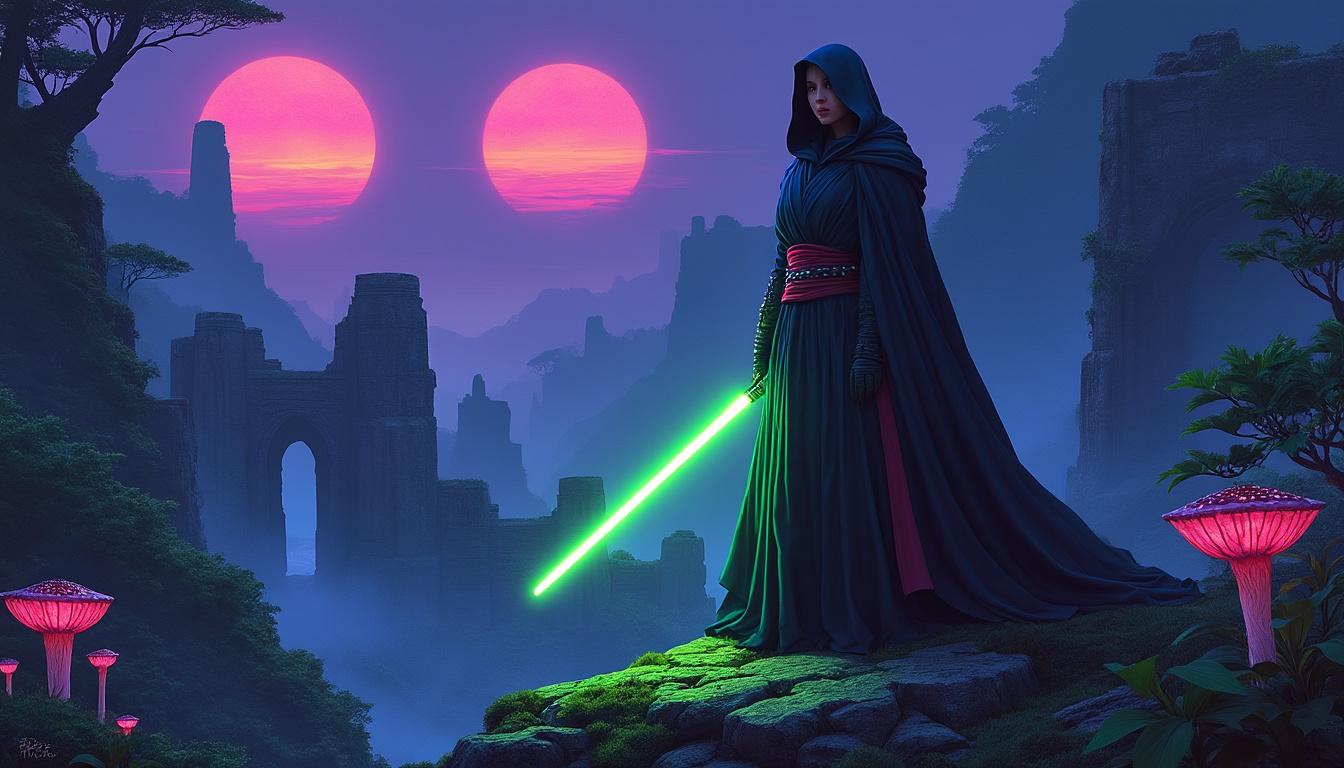
With the show’s cancellation, fans are left to ponder what could have transpired in the unfinished storyline. Showrunner Leslye Headland has offered some insight into what Season 2 might have entailed, stating that it would have delved deeper into Yoda’s character, revealing facets previously hidden from the audience. Yoda, often viewed as the embodiment of wisdom, was poised to confront his darker instincts in a narrative twist that could redefine his legacy within the Jedi Order.
The exploration of Yoda’s character adds a layer of depth to the already rich lore surrounding the Jedi’s moral complexities. The idea that even an iconic figure like Yoda could grapple with the dark side raises questions about redemption, power, and the nature of good versus evil. This theme resonates throughout the Star Wars saga, encouraging viewers to reflect on their own understanding of morality within the context of a universe filled with conflict and emotional struggles.
Potential Plot Developments for Yoda in Season 2
Headland presented a vision for Season 2 that would portray an unexpected alliance between Yoda and Vernestra Rwoh. According to her, this alliance would have led to Yoda engaging in morally questionable actions to protect the Jedi Order from scrutiny by the Galactic Senate. For instance, there were plans for Yoda to assist Rwoh in framing the Jedi Sol as a rogue entity, thereby diverting attention away from the Council’s shortcomings.
This plotline raises critical questions about accountability and ethics within the Jedi Order. Instead of the unwavering beacon of righteousness that Yoda is often associated with, this narrative development would have painted him as a more complex character willing to operate in the shades of gray—a stark contrast to the black-and-white morality often depicted in the franchise. The idea that a character with such a storied legacy might engage in the dark side adds an intriguing dimension to the larger narrative.
Headland commented that the portrayal of Yoda would mesh seamlessly with established events from prior media, especially his actions in The Clone Wars, where he displayed a tendency to make questionable decisions for the sake of the Jedi. Exploring these previously hidden flaws could contribute to a broader understanding of Yoda’s character, forcing fans to reassess everything they thought they knew about the wise Jedi Master.
Moreover, this angle aligns with ongoing themes in the Star Wars universe that challenge the notions of absolute good and evil. As characters navigate their own moral dilemmas, the blurred lines between light and dark create an engaging and relatable narrative for the audience. Yoda’s internal conflict could serve as a reflection of the struggles faced by individuals in the real world, making the story even more compelling.
The Cultural Resonance of Jedi Lore and Yoda’s Legacy
The lore surrounding the Jedi and the Force has fascinated audiences for decades. Central to this lore is the character of Yoda, a figure synonymous with wisdom, responsibility, and virtue. This makes the decision to explore his dark side particularly risky but also potentially rewarding for the overarching narrative. By delving into themes of power and morality, a new generation of viewers can be drawn into the complex emotional landscape that defines the Jedi experience.
The cultural significance of exploring Yoda’s darker impulses extends beyond simple character development; it also touches on societal issues. In today’s world, where public figures often face scrutiny for their decisions, portraying Yoda in a more morally ambiguous light allows for conversations about accountability and the challenges of leadership. As fans grapple with these ideas through the lens of science fiction, the narrative becomes a powerful tool for social and personal reflection.
In a time when the lines between hero and villain have blurred in our own society, Yoda’s journey towards confronting his flaws could serve as an allegory for the human experience. This exploration invites audiences to journey alongside him while questioning the foundational beliefs that differentiate light from dark. Understanding that Yoda is capable of error and misjudgment makes him a more relatable and multidimensional character, moving beyond the archetype of the infallible hero.
Headland’s vision for a deeper investigation into Yoda’s psyche promises a fresh approach to storytelling, placing emphasis on character growth and the personal struggles that shape who we become. This newfound complexity could enrich the already layered narrative and keep audiences engaged, leaving them both entertained and reflective.
Fan Reactions and Speculations on Lost Opportunities
With the cancellation of The Acolyte, fan reactions have been mixed, ranging from excitement at the prospect of exploring Yoda’s complex character to disappointment over missed storytelling opportunities. Speculation has run rampant regarding what could have unfolded if the series had continued. Fans began to engage in discussions across social media platforms, dissecting the implications of Yoda’s potential actions, often coming up with their own theories about how the character could evolve.
A message that has emerged from fan communities is a sincere desire for more complex narratives within the Star Wars universe. Many viewers feel that the franchise benefits from characters who embody moral dilemmas and navigate their imperfections. By allowing characters like Yoda to struggle with their darker impulses, the story can resonate with audiences on a more personal level.
Moreover, social media discussions often highlight how combining established lore with new narratives enriches the tapestry of the Star Wars universe. The desire to see these stories unfold reflects a collective hunger for innovation paired with nostalgia, as fans look for fresh takes on beloved characters while remaining true to the foundational elements that define Star Wars.
Such discussions encapsulate the vibrant nature of fan culture, where theories and speculations can ignite communities and foster engagement. The absence of a second season may have stifled this exploration of Yoda’s character, but it also paves the way for unique fan-created content that could keep the conversation alive. Speculative fan art, written stories, and video discussions often serve to fill the gaps left by canceled series, demonstrating the enduring impact these characters have on their audiences.
A Look Back at Yoda’s Journey Through the Star Wars Canon
Throughout Star Wars’ extensive timeline, Yoda has been a vital character representing the pinnacle of Jedi wisdom and strength. From his first appearances in The Empire Strikes Back to his more mysterious exploits in The Clone Wars, Yoda’s evolution has been a significant aspect of the Jedi legacy. However, the exploration of his flaws offers a more nuanced look at what it means to be a Jedi and the sacrifices involved in that life.
Historical references to Yoda’s experiences, such as his isolation during the Clone Wars, illustrate the burdens carried by those in positions of responsibility. Yoda’s decision-making during this turbulent time reflects the internal conflicts many leaders face. His character has often been either a mentor or a shadowy figure grappling with decisions that affect not only himself but the entire Jedi Order.
Conversations about Yoda’s role in the Jedi Order also raise questions about the institution itself. Yoda’s experience with the dark side, had it been explored in The Acolyte, would have illuminated the flaws within the very foundation of the Jedi. Exploring these themes addresses significant societal issues regarding authority, mentorship, and personal responsibility, making the narrative relevant to contemporary audiences.
This reflection on Yoda’s character serves as a means of examining the choices individuals make as they navigate their pathways in life. It challenges the audience to question their definitions of heroism and villainy while underscoring the complexities found within each character’s journey. Ultimately, Yoda represents the potential for change and redemption, pivotal components of any meaningful story.
The Dara Imprint on Star Wars Storytelling
The themes embedded within The Acolyte and the implications of Yoda’s dark side resonate with the enduring questions that the Star Wars franchise has always addressed. As viewers continue to dissect the moral and ethical ramifications of the Jedi’s actions, it becomes evident that even characters celebrated for their righteousness can have haunting secrets.
The conversation surrounding these characters acts as a vessel for social reflection and moral examination in a format that is both engaging and thought-provoking. As the series landscape evolves, the cancellation of The Acolyte serves as a reminder that the narrative space in pop culture is continuously shifting, with an ongoing hunger for stories that embrace complexity and depth.
In this way, even in its cancellation, The Acolyte leaves behind a legacy that invites creativity, discussion, and further exploration of characters who are anything but one-dimensional. The unresolved narratives within the series represent an unfinished chapter in Star Wars storytelling, one that still holds potential for future exploration.